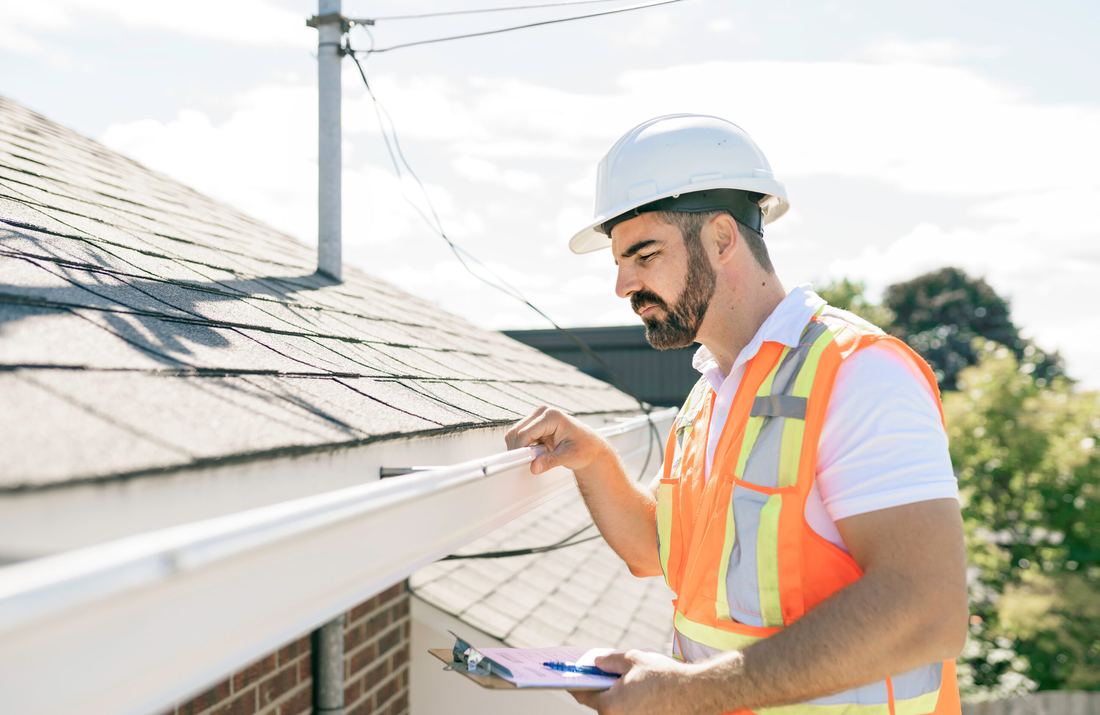
A peeling fascia board, dark stain beneath the gutter, or section of wood that feels soft may seem like a minor exterior maintenance issue. However, these symptoms can sometimes indicate deterioration beneath the surface. When moisture repeatedly reaches exposed wood, a rotted fascia board may develop, affecting the condition of the roof perimeter and the reliability of nearby gutter attachments.
Fascia boards are exposed to changing weather conditions, and their location near the roof drainage system makes them particularly vulnerable when moisture is not managed correctly. Although surface staining does not always mean the wood has decayed, ignoring persistent dampness may allow an existing problem to become more serious.
For homeowners in Greentown, Hawley, Tafton, and the Lake Wallenpaupack area, understanding the signs of fascia rot can help identify damage before installing new gutters, repainting exterior trim, or carrying out other roofline improvements.
The important distinction is whether the fascia has simply lost its protective finish or whether moisture has weakened the wood itself. Identifying that difference helps determine whether maintenance, localized repair, or fascia board replacement is the appropriate next step.
What Is a Fascia Board and Why Does Its Condition Matter?
A fascia board is an exterior finishing component commonly installed along the ends of roof rafters or other roof framing members. On many residential properties, it runs horizontally beneath the roof edge and forms the surface behind the gutter system.
Fascia boards help create a finished roofline and may provide a suitable mounting surface for gutter hangers and other attachments. Their exact role depends on the property’s construction and the way the roof and gutter system are designed.
Fascia can be manufactured from wood, engineered wood, composite materials, or other suitable products. Some installations also feature aluminum or vinyl coverings over the underlying board.
How Fascia Boards Support Gutter Attachments
Many gutter systems rely on securely installed hangers or brackets attached to the fascia or another appropriate structural surface.
When the supporting material is sound, the fasteners can hold the gutter in its intended position. However, deteriorated wood may lose its ability to retain those fasteners reliably.
A rotted fascia board can therefore become more than a cosmetic concern when it affects the surface supporting the gutter system.
Not all gutters attach directly to wood fascia, so the actual construction must be evaluated before determining whether the board’s condition affects the gutter installation.
Why Fascia Boards Are Vulnerable to Moisture
The fascia is located near the point where rainwater leaves the roof and enters the gutter system.
If water repeatedly reaches the wood because of drainage defects, deteriorated protective finishes, or exposed joints, moisture may remain in the material longer than intended.
Persistent moisture creates conditions in which wood-decay fungi may develop.
However, occasional wetting does not automatically mean decay will occur. Material selection, drying conditions, construction details, and maintenance all influence how well fascia resists deterioration.
7 Warning Signs of a Rotted Fascia Board
Recognizing the early signs of fascia rot can help homeowners distinguish between ordinary exterior wear and potentially weakened wood.
The following symptoms deserve attention, although no single visible sign confirms that replacement is necessary.
1. Soft or Crumbling Wood
One of the more concerning signs of a rotted fascia board is wood that has lost its original firmness.
Advanced decay may cause the material to become soft, brittle, crumbly, or easily damaged.
Although soft fascia boards can indicate deterioration, the underlying cause and extent of damage should be established before recommending replacement.
Homeowners should avoid climbing ladders or probing elevated roof-edge materials themselves. A qualified professional can examine the condition safely.
2. Peeling or Bubbling Paint
Peeling paint is one of the earliest visible changes homeowners may notice along the fascia.
When protective coatings age or moisture repeatedly reaches the surface, paint may blister, crack, or separate from the wood.
However, peeling paint alone does not prove that a rotted fascia board is present.
If the underlying wood remains firm and dry after the moisture source is addressed, refinishing may be sufficient.
3. Dark Stains or Persistent Discoloration
Dark streaks beneath gutters or around fascia joints may indicate repeated moisture exposure.
These stains sometimes occur where water regularly contacts the board or remains trapped near its surface.
Fascia board water damage can include staining without significant structural deterioration, so appearance alone should not determine whether the wood needs replacement.
A professional should evaluate whether the discoloration is superficial or associated with softened or deteriorated material.
4. Loose Gutters or Pulling Fasteners
When gutter hangers begin pulling away from the fascia, the attachment surface deserves closer examination.
Fasteners may loosen if the surrounding wood has deteriorated and can no longer provide sufficient holding strength.
However, incorrectly installed hangers, inadequate fasteners, and excessive loading can produce similar symptoms.
The gutter and underlying fascia should both be examined before determining the appropriate repair.
5. Cracks, Splitting, or Open Joints
Visible cracks along the fascia may result from weather exposure, material movement, aging, or deterioration.
Small surface cracks are not necessarily evidence of advanced decay, but deeper openings can expose vulnerable areas to additional moisture.
Joints between boards may also become susceptible when protective finishes deteriorate.
Cracking combined with persistent dampness or soft wood is more concerning than isolated cosmetic splitting.
6. Fungal Growth or a Persistent Musty Odor
Visible fungal growth or recurring musty odors near the roofline may indicate that materials are remaining damp.
Wood-decay fungi require suitable moisture conditions, making persistent wetting an important factor.
However, not every dark patch or surface growth means that the fascia itself has lost strength.
The condition should be assessed in context with the wood’s firmness, moisture exposure, and surrounding construction.
7. Holes or Severely Deteriorated Sections
Advanced deterioration may cause sections of fascia to develop holes, break apart, or lose their original shape.
In some cases, damaged roof fascia may no longer provide a reliable attachment surface for the gutter system.
A severely weakened section generally requires more than a surface coating or cosmetic repair.
The extent of the damage should be evaluated to determine whether only a localized section needs replacement or whether deterioration extends farther along the roofline.
What Causes Fascia Boards to Rot?
A rotted fascia board usually develops when susceptible wood remains exposed to moisture under conditions that allow decay to progress.
The moisture may originate from several sources, and identifying the cause is essential before installing replacement material.
Repeated Moisture From the Gutter Area
Fascia is positioned close to gutters, making it vulnerable when runoff repeatedly reaches the board.
Water may contact the wood because of gutter overflow, poorly positioned components, leaking joints, or other drainage defects.
When moisture exposure continues, protective finishes may deteriorate and the underlying wood may become more susceptible to decay.
The drainage problem should be investigated separately from the condition of the fascia itself.
Damaged or Missing Protective Finishes
Exterior paint and other appropriate protective coatings help reduce moisture exposure.
Over time, coatings may crack, peel, or wear away, leaving the underlying wood more vulnerable.
If the material remains exposed to rainwater, deterioration may develop, particularly around joints and edges.
Unprotected Cut Ends and Board Joints
The ends of wood boards and the areas where sections meet can be vulnerable when they lack suitable protection.
Moisture may enter exposed end grain or remain around joints where the finish has deteriorated.
These areas deserve particular attention during inspection and replacement because localized damage can begin before the entire fascia appears affected.
Trapped Moisture Behind Fascia Coverings
Some homes have aluminum or vinyl coverings installed over wooden fascia.
These coverings can protect the underlying material when properly integrated with the surrounding construction.
However, moisture that reaches the wood behind the covering may remain concealed.
If drying is restricted and the wood stays damp, deterioration can develop without obvious surface damage.
Defective Roof-Edge Water Management
Certain roof-edge flashing or drainage defects can allow repeated moisture exposure along the fascia.
The resulting deterioration may become visible as staining or softened wood.
However, understanding exactly how flashing or gutters should be corrected is a separate technical issue from determining whether fascia has decayed.
The important step is to identify the moisture source and have the relevant components assessed before replacement work is completed.
Inadequate Maintenance Over Time
Small defects in exterior finishes, open joints, or recurring damp areas can worsen when left unaddressed.
Regular observation and timely maintenance may help limit prolonged moisture exposure.
Nevertheless, wood decay depends on the actual conditions present, and not every older fascia board will develop rot.
Fascia Board Water Damage vs. Wood Rot: What Is the Difference?
One of the most important distinctions is that moisture damage and wood rot are not interchangeable.
Fascia board water damage can describe staining, swelling, peeling paint, surface distortion, and other moisture-related changes.
Wood rot refers specifically to biological deterioration of the wood, which may reduce its strength and suitability for continued use.
When the Problem May Be Surface Damage
A fascia board with peeling paint or light staining may remain structurally sound.
If the wood has not deteriorated and the recurring moisture source is corrected, surface preparation and appropriate refinishing may be sufficient.
A professional should verify the material’s condition rather than assuming that all discolored wood needs replacement.
When the Wood May Be Decaying
Softness, crumbling, extensive deterioration, and loss of fastener-holding strength are more concerning indicators.
A board may also have concealed decay beneath a relatively intact exterior surface.
The actual extent of deterioration may not become clear until the affected area is examined.
Why the Difference Changes the Repair Decision
Applying new paint to sound wood can help restore surface protection.
However, paint does not restore the strength of a board that has experienced significant decay.
Likewise, replacing every stained fascia board may be unnecessary when the underlying wood remains suitable.
The repair should be based on the condition of the material, its function, and the cause of moisture exposure.
Can a Rotted Fascia Board Be Repaired Without Replacing It?
Whether a rotted fascia board can be repaired depends on the extent of deterioration and the role the affected material performs.
A professional should determine whether the existing board remains suitable for continued use.
When Surface Refinishing May Be Enough
If the wood is firm, stable, and free from significant decay, the work may involve preparing damaged finishes, correcting the moisture source, and applying a suitable exterior coating.
This approach is appropriate only when the underlying board remains sound.
When Minor Localized Repairs May Be Considered
Limited surface defects may sometimes be repaired using materials suitable for exterior wood.
However, the repair method must be appropriate for the location and must not compromise the board’s function.
Wood filler should not be treated as a substitute for sound wood where gutter attachment strength or other important performance requirements are involved.
When Fascia Board Replacement Is Necessary
Fascia board replacement may be appropriate when decay has significantly weakened the wood, damaged a substantial portion of the board, or compromised its ability to support attachments.
A replacement may also be necessary where the existing material is no longer suitable for reliable repair.
The decision should consider how far the deterioration extends and whether nearby construction materials have also been affected.
Why Cosmetic Repairs May Fail
Covering decayed wood with paint, trim, or filler without addressing the damage may conceal the problem temporarily.
If the material has lost strength, cosmetic treatments will not necessarily restore its performance.
Repeated moisture exposure can also damage newly installed finishes when the original source remains unresolved.
What Happens During Fascia Board Replacement?
The exact process varies depending on the home’s construction, the material being replaced, and whether the gutter system must be temporarily removed.
A qualified contractor should establish the condition of the affected materials and the necessary scope before work begins.
1. Assess the Extent of Wood Deterioration
The first step is determining how much fascia has been damaged.
A visible soft area may be localized, or deterioration may extend behind adjacent coverings or gutter attachments.
The contractor should identify the sections that are no longer suitable for continued use.
2. Evaluate Gutter Attachments and Nearby Components
If gutters are mounted directly to the affected fascia, their hangers and fasteners may need to be removed or temporarily supported.
The surrounding roof-edge materials should also be examined where necessary to determine whether the deterioration is limited to the fascia.
This assessment helps prevent reinstalling gutters onto an unsuitable attachment surface.
3. Remove the Deteriorated Material
Damaged fascia sections are removed using methods appropriate for the roof and gutter assembly.
During removal, additional concealed deterioration may become visible.
If nearby framing or other materials are affected, those conditions should be assessed before installation continues.
4. Select Suitable Replacement Materials
Replacement material should be appropriate for exterior exposure and the intended application.
Depending on the property, suitable options may include properly protected wood or compatible manufactured fascia products.
Material selection should account for weather exposure, installation requirements, appearance, and compatibility with adjacent components.
5. Protect Joints, Ends, and Exposed Surfaces
Where required by the material specification, exposed edges, cut ends, and joints should receive appropriate protection.
The objective is to reduce unnecessary moisture exposure and support the long-term performance of the replacement material.
6. Restore the Gutter Attachment Surface
If the fascia supports the gutters, the replacement must provide a suitable base for the required fastening system.
Gutters should be reattached using an appropriate method and returned to their intended position.
Their condition and alignment should be assessed before the work is completed.
7. Address the Original Moisture Source
Replacing decayed wood does not correct the drainage or exterior detailing problem that allowed deterioration to develop.
Before the project is considered complete, any contributing moisture source should be identified and addressed by an appropriately qualified contractor.
This is one of the most important steps in reducing the risk of recurring fascia damage.
Can Rotted Fascia Boards Affect Gutter Installation?
Yes. The condition of the fascia can affect gutter installation when the gutter hangers depend on the wood for secure attachment.
A rotted fascia board may not provide the holding strength required to keep the gutter stable.
If new gutters are attached without evaluating the supporting material, the installation may remain vulnerable to movement or loosening.
Why New Gutters Need a Suitable Attachment Surface
Even a properly manufactured gutter system needs to be installed on a suitable structure.
Where the design relies on fascia-mounted hangers, weakened wood may interfere with secure fastening.
A contractor should confirm that the attachment surface is suitable before completing the installation.
Should Damaged Fascia Be Addressed Before New Gutters?
If the fascia is significantly deteriorated, the necessary corrective work should be determined before new gutter attachments are installed.
This may involve localized carpentry or replacement of affected material.
The scope depends on the building and must be confirmed with the contractor.
For homeowners considering gutter upgrades, Wallenpaupack Roofers provides seamless gutter installation and replacement services in Greentown, PA, and surrounding communities.
The condition of the attachment surface should be discussed during project planning, and any required fascia carpentry should be confirmed separately.
Rotted Fascia Behind Gutters: Why Damage Can Remain Hidden
Rotting fascia behind gutters is sometimes difficult to recognize because the gutter conceals part of the board.
The exposed portion may appear relatively normal while the upper section or the area surrounding attachments has experienced repeated moisture exposure.
This can be particularly important when gutter hangers begin loosening or the gutter separates from the roofline.
Why Hidden Damage Is Easy to Overlook
The gutter may block a direct view of the wood behind it.
Moisture may also remain trapped around the attachment area or beneath protective coverings.
As a result, visible deterioration does not always reveal the full extent of the problem.
What Loose Gutters May Indicate
Gutters pulling away from the fascia may indicate a fastening problem, deteriorated wood, or both.
A loose hanger alone does not establish that the fascia has rotted.
However, repeated attachment failures combined with soft wood or moisture staining justify closer evaluation.
When the Drainage System Needs Separate Attention
If deterioration appears associated with recurring water movement behind the gutter, the drainage defect should be identified alongside the condition of the fascia.
Our guide to water behind gutters explains the possible drainage-related causes and how to distinguish them from other gutter problems.
The fascia assessment should remain focused on whether the wood has deteriorated and what corrective work is required.
What Happens If Damaged Fascia Is Left Untreated?
The consequences depend on the severity of the deterioration and the function of the affected board.
Surface finish damage may remain manageable when the underlying wood is sound and the moisture source is corrected.
However, existing decay may continue under suitable moisture conditions.
Continued Loss of Wood Strength
As deterioration progresses, susceptible wood may become softer or more fragile.
This can affect the material’s suitability for its intended use.
Increasing Gutter Attachment Problems
Where gutters depend on damaged fascia, attachment points may become less reliable.
Sections of the gutter may shift or pull away if the supporting material no longer provides adequate fastening strength.
Damage to Adjacent Finishes
Persistent moisture can contribute to peeling paint, staining, and deterioration of nearby exterior materials.
The extent of any concealed damage must be evaluated rather than assumed.
More Extensive Corrective Work
A small area of deterioration may sometimes be addressed before surrounding materials become affected.
If damage extends beyond the fascia, additional work may be required.
Identifying the problem early can help homeowners understand the necessary scope before deterioration becomes more extensive.
How to Help Prevent Fascia Board Rot
Preventing recurring deterioration starts with limiting unnecessary moisture exposure and maintaining suitable exterior protection.
Keep Protective Finishes in Good Condition
Inspect accessible exterior trim from safe locations for peeling paint, open joints, or exposed wood.
When the underlying material remains sound, timely refinishing may help maintain protection.
Address Recurring Moisture Promptly
Persistent wet areas should not be ignored.
A qualified professional can identify whether the moisture is associated with drainage, flashing, exposed joints, or another condition.
Pay Attention to Gutter Movement
A gutter that begins sagging or separating from the roofline deserves assessment.
Its movement may result from attachment defects, weakened fascia, or other installation problems.
Evaluate Fascia During Gutter Replacement
Gutter replacement creates an opportunity to assess the condition of nearby attachment surfaces.
Where fascia-mounted hangers are used, confirming that the wood remains suitable can help support a reliable installation.
Consider Concealed Moisture
If fascia is covered by metal or vinyl, recurring stains, loose gutters, or unexplained moisture may justify further inspection.
A visually intact covering does not always establish that the underlying wood is sound.
Avoid Unsafe DIY Inspections
Fascia boards are often located at elevated roof edges.
Homeowners should avoid accessing steep roofs, working from unsafe ladders, or removing gutter attachments without suitable training and equipment.
Rotted Fascia Boards in Greentown and Lake Wallenpaupack, PA
Homes in Greentown, Hawley, Tafton, Lakeville, and nearby Lake Wallenpaupack communities experience seasonal rainfall, snowmelt, freezing temperatures, and changing moisture conditions.
These factors can expose weaknesses in exterior finishes and roof-edge water management.
However, Pennsylvania weather alone does not cause every fascia board to rot.
The actual risk depends on material selection, protective finishes, construction details, and how effectively moisture is managed.
For homeowners in Northeast Pennsylvania, recognizing a rotted fascia board before gutter installation or exterior maintenance can help identify whether the existing wood remains suitable.
A professional evaluation can also distinguish between cosmetic damage, localized decay, and conditions requiring more extensive corrective work.
Concerned About Rotted Fascia Boards? Contact Wallenpaupack Roofers
Peeling fascia paint, soft wood near the gutter line, or gutters pulling away from the house can indicate that the roof-edge attachment area deserves attention.
However, these symptoms do not automatically mean the entire gutter system or fascia must be replaced.
Wallenpaupack Roofers serves homeowners and property owners in Greentown, PA, and surrounding Lake Wallenpaupack communities with gutter installation, gutter replacement, and related roofing services.
If you are planning new gutters or have noticed deterioration near the roof perimeter, our team can discuss the condition of the gutter system and the considerations that may need to be evaluated before installation.
Any required fascia carpentry or replacement work should be confirmed as part of the proposed project scope.
Call (570) 390-3166 or contact Wallenpaupack Roofers to discuss your roof-edge and gutter concerns. Understanding the condition of the supporting materials is an important step before deciding on the right solution.
Frequently Asked Questions About Rotted Fascia Boards
What are the earliest signs of fascia rot?
Early warning signs may include peeling paint, recurring moisture stains, small soft areas, and deterioration around exposed joints. These symptoms do not always confirm decay, so the underlying wood should be evaluated.
Can a rotted fascia board hold gutters?
A severely deteriorated fascia board may not provide adequate fastening strength for gutter hangers. Its condition and role in the attachment system should be assessed before gutters are installed or reattached.
Does fascia board water damage always mean wood rot?
No. Moisture may cause staining, swelling, or finish deterioration without significant biological decay. Wood rot involves deterioration that can affect the strength of the material.
Can soft fascia boards be repaired without replacement?
It depends on the cause and extent of softness. If significant decay has weakened the board, replacement may be necessary. Cosmetic repairs are not a substitute for restoring required material strength.
What causes rotting fascia behind gutters?
Repeated moisture exposure, deterioration of protective finishes, trapped water, and unsuitable roof-edge drainage conditions can contribute to wood decay behind gutters.
Should fascia boards be replaced before installing new gutters?
Damaged fascia that cannot provide a suitable attachment surface should be addressed before gutters are secured. The exact corrective work depends on the construction and installation requirements.
Can fascia board replacement prevent future wood rot?
Replacing damaged material can remove existing decay, but it does not automatically prevent future deterioration. The moisture source, suitable materials, protective finishes, and installation details must also be addressed.
Does Wallenpaupack Roofers replace rotted fascia boards?
Wallenpaupack Roofers provides gutter installation, gutter replacement, and related roofing services. Homeowners should contact the team to confirm whether fascia replacement or coordination with a qualified carpentry specialist can be included in their particular project.