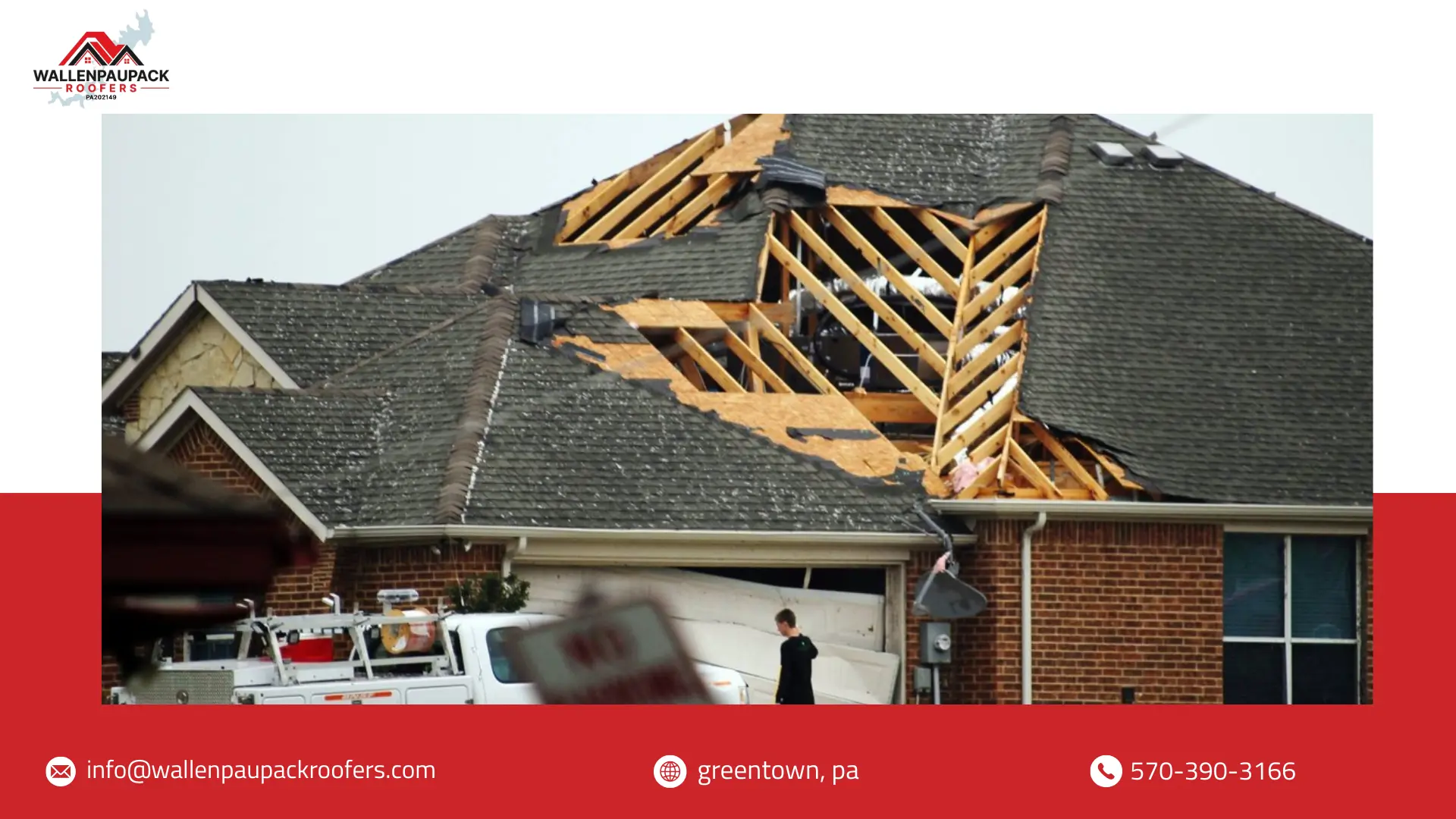
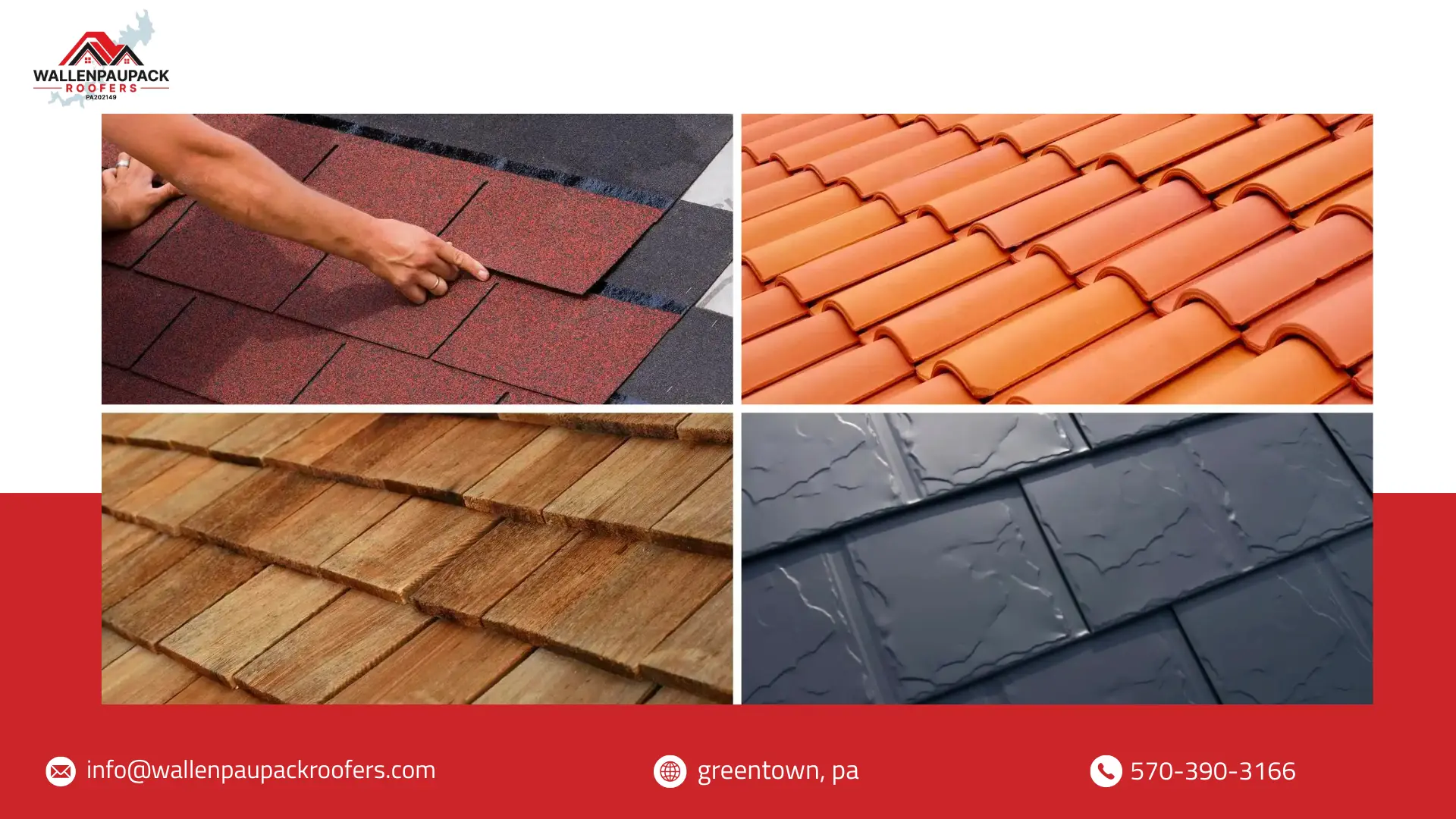
Choosing the right roofing material is crucial for the longevity and protection of your home. Not only does it affect the aesthetic appeal of your property, but it also determines how well your roof can withstand various weather conditions. Whether you’re replacing an old roof or installing a new one, selecting the appropriate roofing material is key to maintaining a safe, energy-efficient home.
What Is Roofing Material?
Roofing material refers to the material used to cover the roof structure of your home, providing protection from the elements while enhancing your home’s overall appearance. The choice of roofing material affects the energy efficiency, lifespan, and maintenance requirements of your roof. A well-chosen roofing material can prevent water damage, provide insulation, and save you money on long-term repairs.
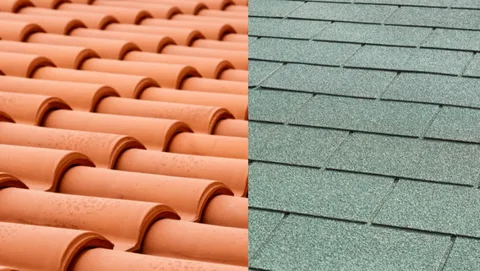
Most Common Types of Roofing Materials
Choosing the right roofing material depends on your budget, the climate of your area, and the look you want for your home. Below are some of the most common types of roofing materials:
Asphalt Shingles
- Pros: Affordable, easy to install, widely available in various colors.
- Cons: Shorter lifespan compared to other materials, vulnerable to wind damage.
- Lifespan: 15-30 years.
- Best For: Budget-conscious homeowners.
Metal Roofing
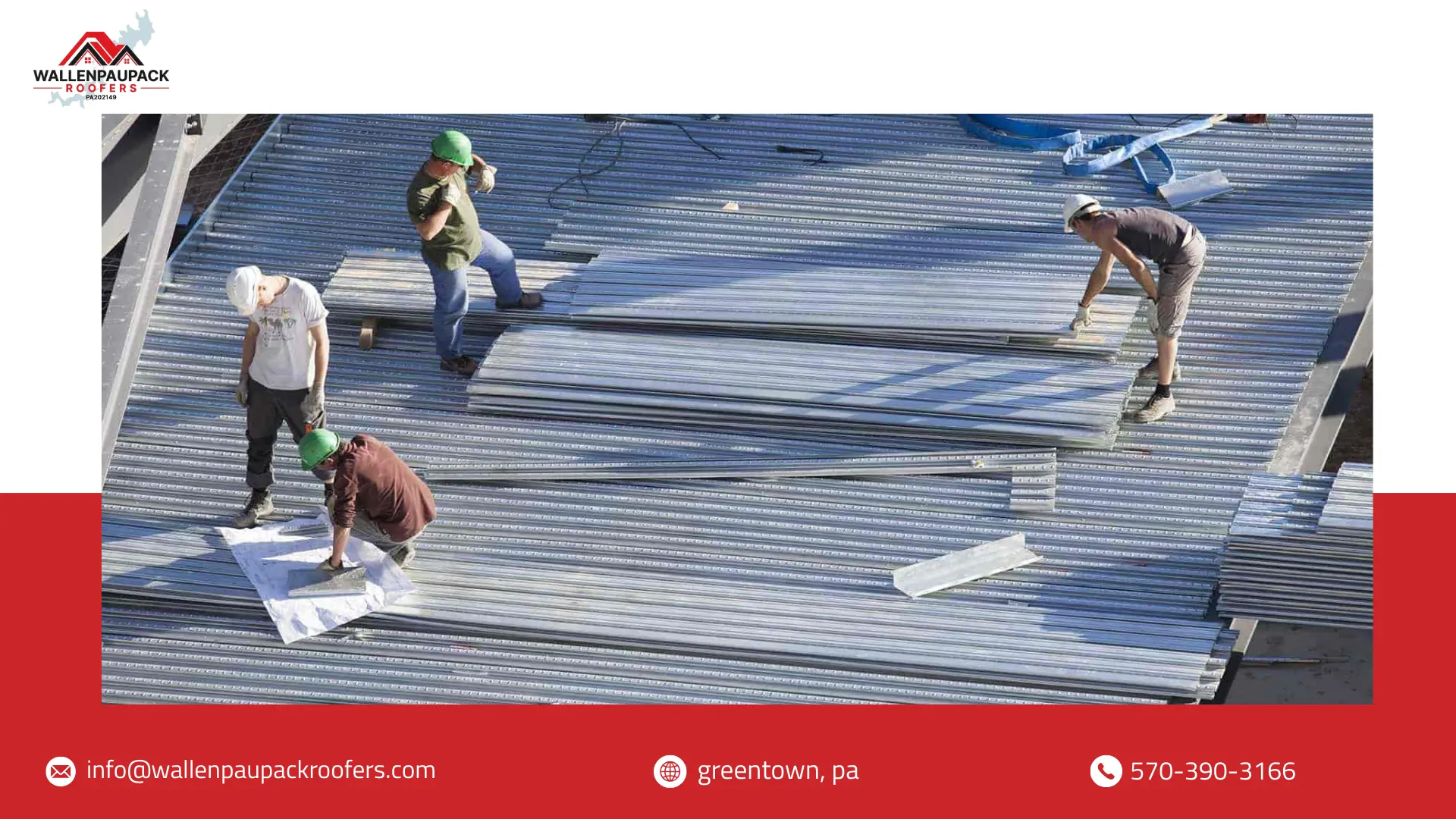
- Pros: Highly durable, energy-efficient, resistant to extreme weather conditions.
- Cons: Higher initial cost compared to asphalt shingles, can be noisy during rain.
- Lifespan: 40-70 years.
- Best For: Homes in areas prone to extreme weather, those looking for a long-term investment.
Tile Roofing (Clay & Concrete)
- Pros: Long lifespan, fire-resistant, adds aesthetic value.
- Cons: Expensive, heavy, may require additional structural support.
- Lifespan: 50+ years.
- Best For: Luxury homes, Mediterranean-style homes.
Slate Roofing
- Pros: Extremely durable, fire-resistant, adds high-end appeal.
- Cons: Expensive, requires skilled installation.
- Lifespan: 50-100 years.
- Best For: High-end homes or historic restorations.
Wood Shingles & Shakes
- Pros: Natural aesthetic, eco-friendly.
- Cons: High maintenance, vulnerable to fire, rot, and pests.
- Lifespan: 30-50 years.
- Best For: Homes desiring a rustic look, eco-conscious homeowners.
Flat Roof Materials
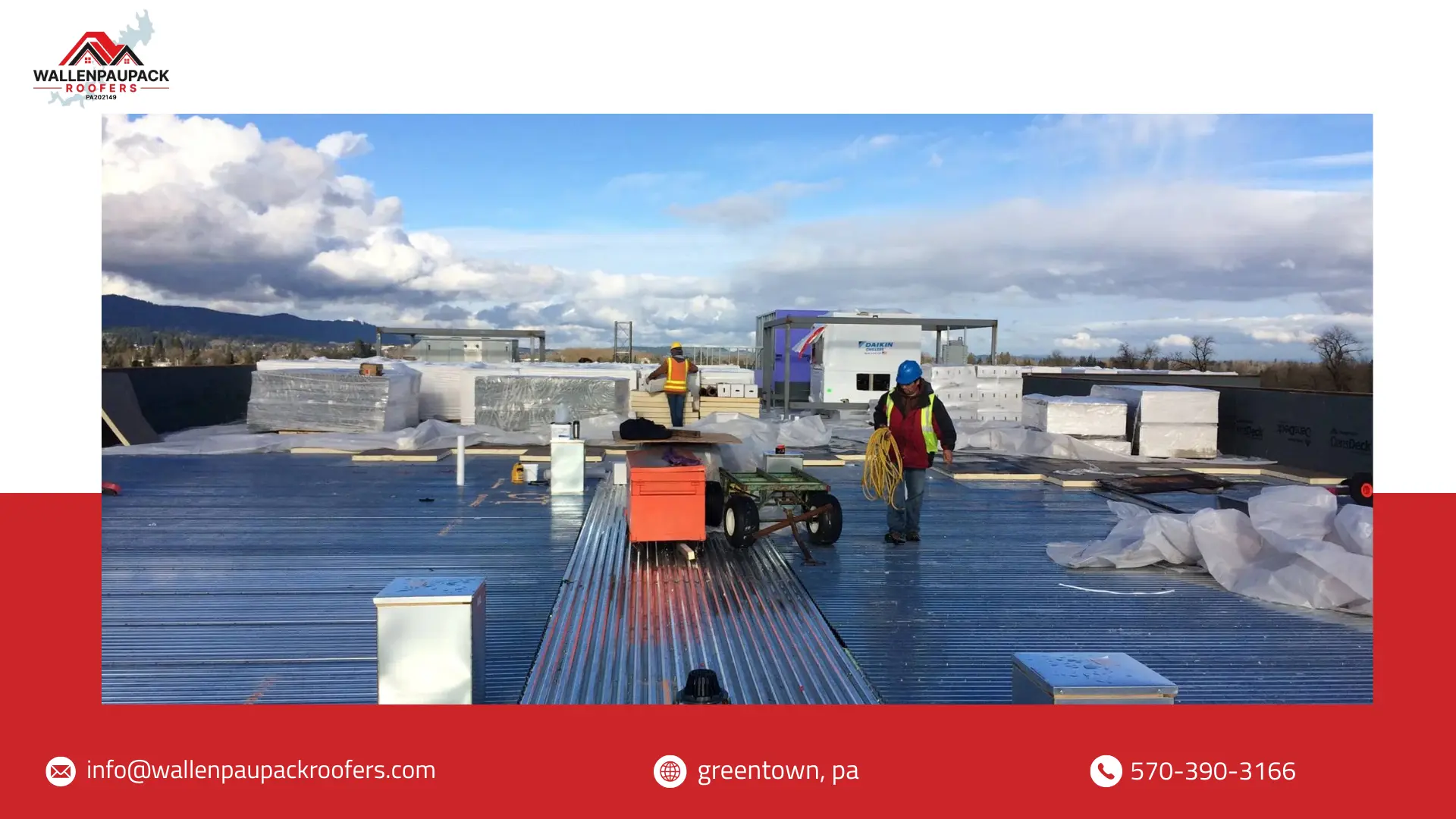
- Pros: Versatile, cost-effective for large structures.
- Cons: Prone to pooling water, may need more frequent repairs.
- Lifespan: 15-30 years.
- Best For: Commercial buildings or modern homes with flat roofs.
Roofing Material Comparison (Quick Overview)
| Roofing Material | Lifespan | Cost | Maintenance | Weather Resistance | Best For |
| Asphalt Shingles | 15-30 years | Low | Low | Moderate | Budget-conscious homeowners |
| Metal Roofing | 40-70 years | High | Low | Excellent | Homes in extreme climates |
| Tile Roofing | 50+ years | High | Moderate | Excellent | Luxury homes |
| Slate Roofing | 50-100 years | Very High | Low | Excellent | High-end homes |
| Wood Shingles | 30-50 years | Moderate | High | Moderate | Natural aesthetic |
| Flat Roof Materials | 15-30 years | Moderate | Moderate | Moderate | Commercial or modern homes |
How to Choose the Right Roofing Material
When selecting the best roofing material, it’s important to consider several factors:
- Climate: If you live in a hot, sunny area, energy-efficient materials like cool roofing or metal may be a good choice. For colder climates, consider materials that can handle snow, ice, and freeze-thaw cycles, like metal or slate.
- Budget: Asphalt shingles are the most cost-effective, while slate and metal are higher-end options but offer long-term durability.
- Aesthetic Appeal: Choose a material that complements your home’s architectural style.
- Maintenance: Consider how much maintenance you’re willing to do. Some materials require more upkeep, like wood shingles, while others like metal or slate are low-maintenance.
- Local Regulations: Check with local zoning laws or HOA requirements to ensure the material is compliant with building codes.
Roofing Material Costs (What Affects the Price?)
The cost of roofing material can vary significantly depending on several factors, including:
- Material Type: Premium materials like slate or metal will cost more upfront but can last longer, saving you money in the long run.
- Roof Size: A larger roof requires more material, increasing the cost.
- Installation Complexity: Roofs with multiple levels, slopes, or complex features can add to the labor costs.
- Labor Costs: Labor costs vary based on location, contractor expertise, and job complexity.
It’s essential to request free roof estimates to get a more accurate understanding of the costs based on your home’s size, roof complexity, and material choices.
Best Roofing Material for Different Needs
- Best for Hot Climates: Metal roofing or cool roofing options reflect sunlight, keeping homes cooler in summer.
- Best for Snow & Ice: Metal roofing is great for handling heavy snow and ice buildup.
- Best for Longevity: Slate and metal offer long-term protection and durability.
- Best for Budget: Asphalt shingles are a reliable and affordable choice for most homeowners.
Signs You Need to Replace Your Roofing Material
It’s essential to recognize when it’s time to replace your roof. Look for these signs:
- Frequent Leaks: Persistent leaks or water stains indicate that your roof is no longer adequately protecting your home.
- Visible Damage: Missing shingles, curling, or cracking materials suggest that your roof is past its prime.
- Increased Energy Bills: A poorly insulated roof leads to higher heating and cooling costs.
- Roof Age: If your roof is older than 20-25 years, it may be time to replace it to avoid costly repairs down the road.
Should You Repair or Replace Roofing Material?
If your roof has minor damage, repairs may suffice. However, if you are dealing with frequent repairs, significant damage, or an old roof, a full roof replacement is likely the more cost-effective option in the long run.
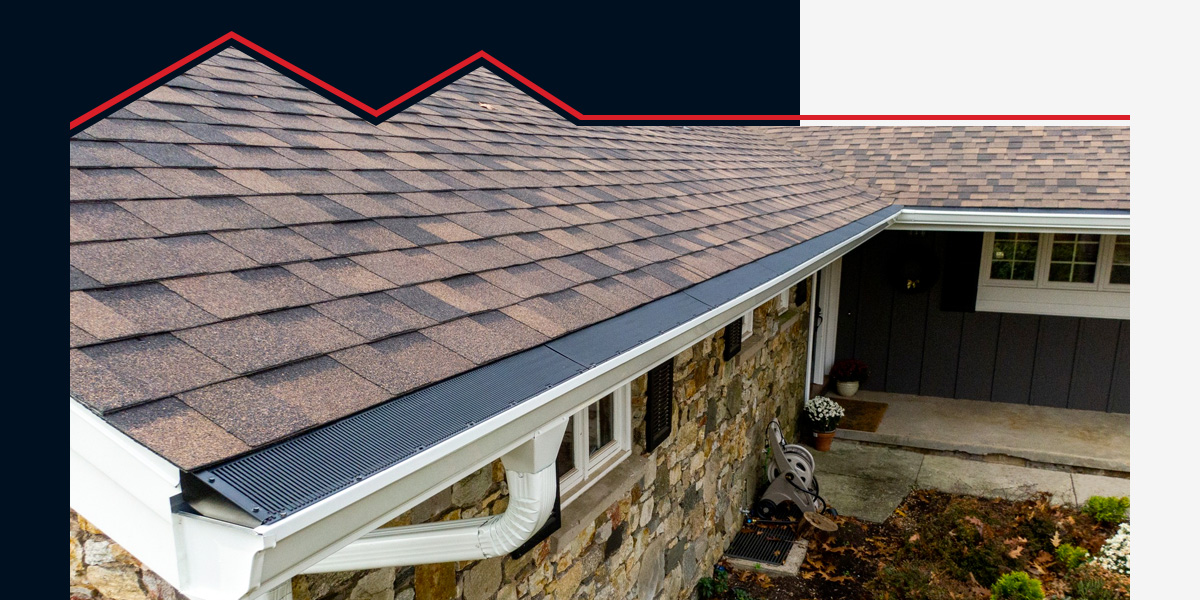
Professional Roofing Material Installation Matters
Even the best roofing materials won’t perform as expected without professional installation. Hiring a licensed contractor like Wallenpaupack Roofers ensures that your roofing material is installed correctly, follows local building codes, and is covered by a warranty.
Get Expert Help Choosing the Right Roofing Material
Choosing the right roofing material can be a daunting task, but with Wallenpaupack Roofers, you don’t have to worry. Our team of experts will guide you through the process, offering professional advice tailored to your home’s needs and the local climate.
Call us today for a free consultation or to get a free roof replacement estimate! We are ready to help you make the best decision for your home’s roof.
Roofing Material FAQs
How long does roofing material last?
The lifespan of roofing materials depends on the type you choose. Asphalt shingles last around 15-30 years, while metal roofing can last 40-70 years. Slate and tile roofs are the longest-lasting, often exceeding 50 years with proper care.
What roofing material is the most energy-efficient?
For energy efficiency, metal roofing and cool roofing options (like reflective coatings) are ideal. These materials reflect sunlight, keeping your home cooler in the summer and reducing cooling costs.
How much does a roof replacement cost with new roofing materials?
The cost of a roof replacement varies based on material, roof size, and complexity. Asphalt shingles are the most affordable, while premium options like slate and metal roofing come with a higher upfront cost but provide long-term savings through durability and energy efficiency.
Can roofing materials help with storm protection?
Yes, materials like metal, slate, and concrete tiles are known for their superior ability to withstand storms, heavy winds, and snow. Metal roofing, for example, is highly resistant to high winds, hail, and snow accumulation, making it ideal for areas prone to storms like Pennsylvania.
Do I need to worry about roof maintenance after installation?
Maintenance requirements depend on the type of roofing material. Asphalt shingles need periodic inspection and minor repairs, while materials like metal and slate require less maintenance. Regardless of the material, a regular roof inspection is important to maintain your roof’s longevity.
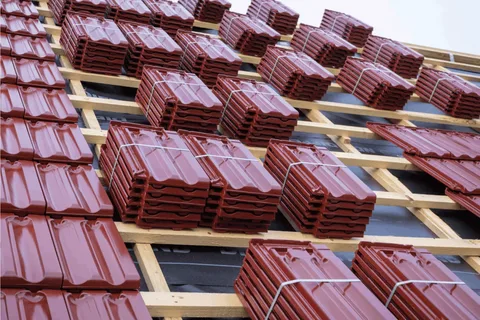
How do I choose the right roofing material for my home?
Choosing the best material depends on various factors like your budget, home style, local climate, and longevity expectations. Asphalt shingles are affordable, metal roofing is highly durable and weather-resistant, and slate is a high-end option for those seeking elegance and longevity. Consult with a local roofing contractor to help select the best material for your specific needs.
Can I install new roofing material over the old one?
While it may be tempting to overlay new shingles over the old ones to save money, it’s often better to do a full tear-off. This allows for proper inspection of the decking and ensures that any hidden damage is addressed, especially in areas prone to severe weather like Lake Wallenpaupack.