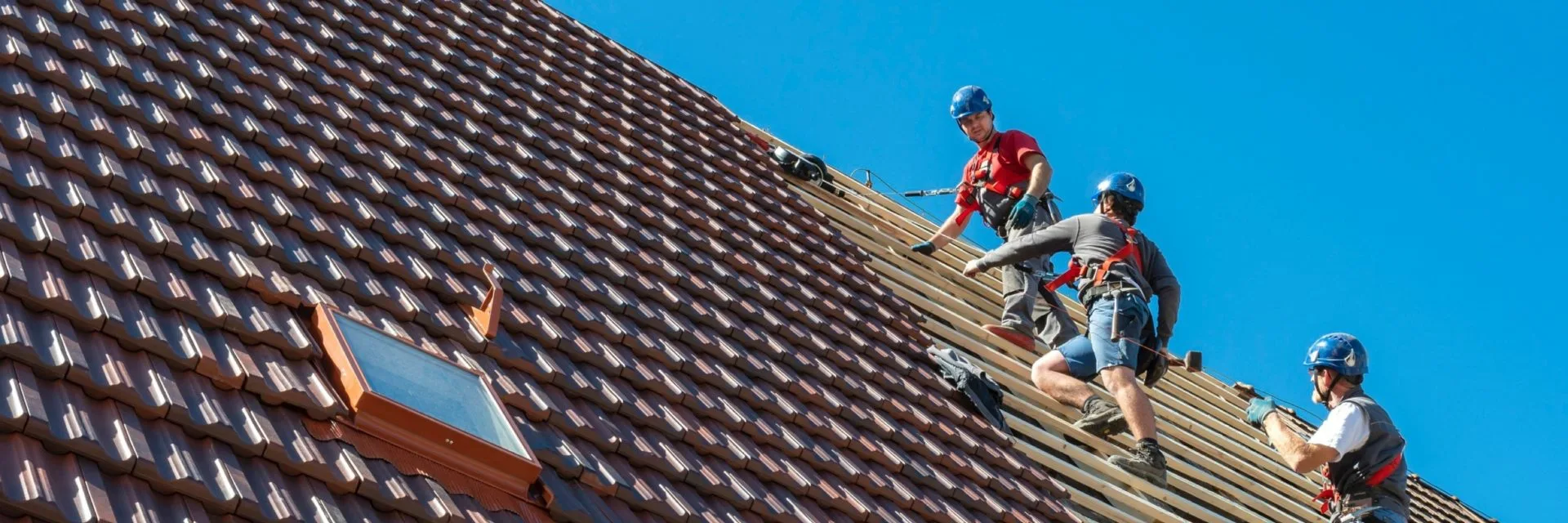
Choosing between Commercial Roofing Systems is an important decision for property owners, facility managers, and businesses because commercial roofs can differ significantly in slope, drainage, structural design, penetrations, insulation, and long-term maintenance needs
A warehouse with a broad low-slope roof may require a very different system from a retail building with visible sloped roof sections An office property with rooftop HVAC equipment also creates different roofing demands from a simple commercial structure with few penetrations
Three systems frequently considered for commercial properties are TPO, EPDM, and metal roofing Each has characteristics that can make it appropriate for certain buildings, but none should automatically be described as the best choice for every commercial property
The right decision depends on the building itself, the existing roof assembly, drainage, roof slope, weather exposure, maintenance expectations, installation requirements, and the owner’s long-term plans
This guide compares the major Commercial Roofing Systems used on commercial properties and explains how TPO, EPDM, and commercial metal roofing differ without treating one material as a universal winner
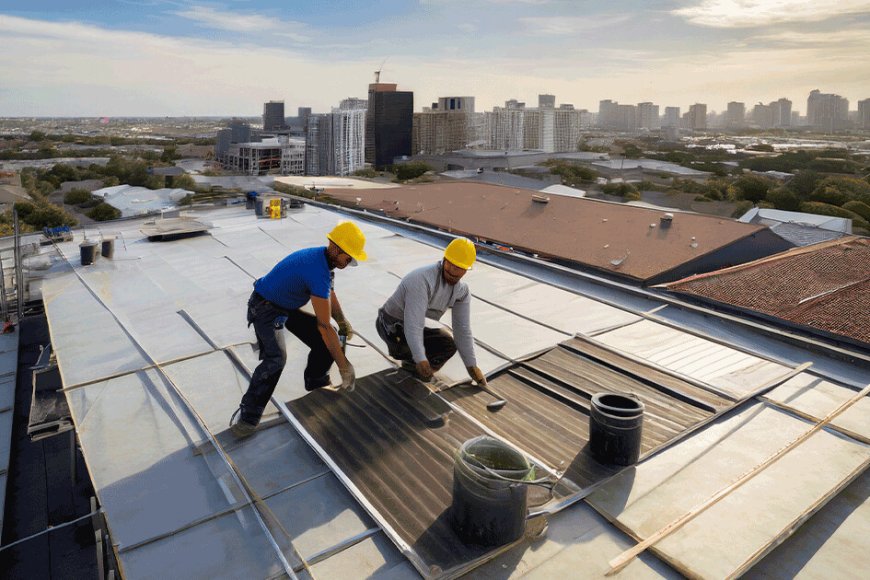
Commercial Roofing Systems Are Not One-Size-Fits-All
Commercial buildings vary too much for a single roofing system to work equally well everywhere
Before comparing materials, consider the roof itself
Important factors may include:
- Roof slope
- Existing roofing system
- Structural design
- Roof size
- Drainage
- Number of penetrations
- HVAC equipment
- Foot traffic
- Insulation
- Building use
- Weather exposure
- Repair history
- Future renovation plans
- Maintenance expectations
A roofing system should work with these conditions rather than forcing the building to fit a predetermined product
For example, broad low-slope commercial roofs often use membrane systems, while buildings with sloped roof sections may be good candidates for metal or other compatible materials
This is why selecting Commercial Roofing Systems should start with the property rather than with a product brochure
TPO vs EPDM vs Metal at a Glance
Before looking at each system individually, this comparison shows some of the practical differences commercial property owners usually need to consider
| Factor | TPO | EPDM | Metal |
| Common application | Low-slope roofs | Low-slope roofs | Low-slope or sloped depending on system |
| Material type | Thermoplastic membrane | Synthetic rubber membrane | Metal panels or systems |
| Typical appearance | Usually light-colored | Commonly dark-colored | Multiple finishes and profiles |
| Seam approach | Heat-welded | Adhesive/tape depending on system | Mechanical panel connections |
| Complex penetrations | Requires careful detailing | Requires careful detailing | Requires specialized flashing |
| Repair approach | Membrane-compatible repair | EPDM-compatible repair | Panel/flashing-specific repair |
| Maintenance need | Regular inspection | Regular inspection | Regular inspection |
| Drainage importance | Very important | Very important | Important |
| Installer specialization | Important | Important | Very important |
| Best use | Depends on building | Depends on building | Depends on building |
This roofing material comparison is a starting point only
Roof condition, insulation, deck type, drainage, installation details, and maintenance can have as much influence on performance as the surface material itself
TPO Commercial Roofing Systems
TPO stands for thermoplastic polyolefin
It is a single-ply membrane commonly associated with low-slope commercial roofing
TPO roofs are often recognized by their lighter-colored membrane surface, although product options can vary
The membrane is installed across the roof and joined at seams using heat-welding techniques appropriate to the roofing system
Where TPO Is Commonly Considered
TPO may be considered for:
- Warehouses
- Retail buildings
- Office properties
- Commercial additions
- Low-slope commercial structures
- Buildings where a membrane roof is appropriate
The roof still requires much more than membrane installation alone
A complete TPO assembly may involve insulation, attachment systems, flashing, drainage details, penetrations, edge conditions, and other components
TPO Strengths
Property owners may consider TPO because of characteristics such as:
- Single-ply installation
- Heat-welded seams
- Availability in reflective surface options
- Compatibility with many low-slope applications
- Ability to detail around many commercial roof layouts
But these advantages do not remove the need for proper installation
Poor seam work, drainage problems, incorrectly detailed penetrations, or neglected maintenance can create problems regardless of the membrane selected
EPDM Commercial Roofing Systems
EPDM is a synthetic rubber roofing membrane widely used on low-slope commercial buildings
It has been used in commercial roofing for many years and remains an important option when evaluating Commercial Roofing Systems
EPDM is commonly associated with dark membrane surfaces, although system designs and accessories can vary
Where EPDM May Be Appropriate
EPDM may be considered for:
- Large low-slope roofs
- Warehouses
- Commercial facilities
- Office properties
- Buildings with relatively straightforward roof layouts
- Existing commercial buildings undergoing reroofing
The system may be installed using different attachment approaches depending on the project and manufacturer specifications
Why Property Owners Compare EPDM
EPDM is often considered because it offers:
- Flexible membrane construction
- Compatibility with many low-slope roofs
- Repair options using compatible materials
- Long history in commercial roofing applications
However, membrane selection should never be based simply on material familiarity
The existing roof, insulation, deck, drainage system, penetrations, and installation approach still need to be evaluated
TPO vs EPDM Roofing
The TPO vs EPDM roofing comparison is one of the most common questions for commercial property owners
Both systems are used on low-slope buildings, but they are different roofing materials with different installation methods and characteristics
Seam Construction
TPO typically relies on heat-welded seams
EPDM commonly uses adhesive or tape-based seam systems depending on the specific product and installation method
Both approaches can perform correctly when installed according to the roofing manufacturer’s requirements
Surface Characteristics
TPO is often selected in lighter colors
EPDM is frequently associated with a darker surface
Surface color can affect solar heat absorption, but overall building energy performance also depends on insulation, air sealing, HVAC systems, building use, roof design, and other factors
Repairs
Both TPO and EPDM can often be repaired when damage is localized and the surrounding system remains serviceable
Repair materials and methods must be compatible with the existing roof
A repair that works for EPDM should not automatically be applied to TPO, and vice versa
Building Compatibility
The better question in a TPO vs EPDM roofing comparison is not:
“Which membrane is better?”
It is:
“Which membrane system is better suited to this building and roof assembly?”
A professional commercial roofing assessment can help determine whether the existing roof is a good candidate for repair, restoration, reroofing, or a different system
Commercial Metal Roofing
Commercial metal roofing operates differently from single-ply membranes
Depending on the building, metal roofing can include standing-seam systems, exposed-fastener systems, metal panels, or other commercial profiles
Metal may be used on sloped commercial roofs and in certain low-slope applications when the selected system is designed for those conditions
When Commercial Metal Roofing May Make Sense
Commercial metal roofing may deserve consideration when:
- The building has an appropriate roof slope
- The architectural appearance of the roof matters
- The owner plans to keep the property long term
- The structure is compatible with the system
- Proper flashing and penetration detailing can be achieved
- Qualified installation experience is available
Metal roofing should not be selected solely because it is perceived as a premium material
The specific system matters
Standing seam, exposed-fastener roofing, and specialty metal systems have different design and maintenance considerations
Metal Roofing Requires Careful Detailing
Metal expands and contracts as temperatures change
That makes installation details particularly important
Areas that deserve attention include:
- Panel connections
- Fasteners
- Roof edges
- Flashing
- Penetrations
- Transitions
- Drainage
- Snow movement
- Sealants where appropriate
Commercial metal roofing also requires installers who understand the specific panel system
Someone experienced with asphalt shingles or membrane roofs is not automatically qualified to install every commercial metal system
This installer specialization is an important consideration when comparing Commercial Roofing Systems
Flat Roof Systems Need Strong Drainage Planning
Many commercial buildings are described as having “flat roofs,” but most functioning flat roof systems are designed with some degree of slope to move water toward drains, scuppers, or other drainage points
Drainage is critical
Standing water may indicate problems involving:
- Roof slope
- Blocked drains
- Drainage design
- Structural movement
- Insulation layout
- Maintenance
A new membrane cannot compensate for a serious drainage problem if the underlying cause is left unchanged
When evaluating flat roof systems, property owners should ask how water currently leaves the roof and whether the new system will preserve or improve that drainage path
What About PVC Roofing?
PVC is another single-ply commercial roofing membrane and may be appropriate for certain buildings
It shares some characteristics with TPO because both are thermoplastic systems, but they are not the same product
PVC can be considered for specific commercial environments depending on:
- Building use
- Roof exposure
- Manufacturer system requirements
- Chemical or grease exposure
- Budget
- Existing roof conditions
This article focuses primarily on TPO vs EPDM roofing and metal because those are the main systems being compared, but property owners should understand that commercial roofing options are not limited to only three products
The Existing Roof Can Influence the New System
A property owner may want TPO, EPDM, or metal before the existing roof has even been inspected
That can lead to the wrong decision
The existing roof may reveal:
- Wet insulation
- Damaged decking
- Failed flashing
- Poor drainage
- Multiple roofing layers
- Structural deterioration
- Repeated leak areas
- Problematic penetrations
Those conditions can change what roofing system is practical
A thorough roof inspection and maintenance evaluation can help identify existing conditions before a larger commercial roofing project begins
Material selection should come after the building is understood
Commercial Roof Penetrations Can Change the Decision
Commercial roofs frequently contain equipment that residential roofs do not
Examples include:
- HVAC units
- Exhaust systems
- Plumbing vents
- Electrical penetrations
- Roof hatches
- Skylights
- Satellite equipment
Every penetration interrupts the main roofing surface and requires proper detailing
A roof with dozens of penetrations can require substantially more installation and maintenance planning than a simple uninterrupted roof
When comparing Commercial Roofing Systems, ask how each penetration will be flashed and how future equipment work will be handled
TPO vs EPDM Roofing for Buildings With Many Penetrations
Both TPO and EPDM can be detailed around penetrations, but the installer should understand the system being used
The important consideration is not simply the membrane
Look at:
- Penetration layout
- Flashing materials
- Manufacturer details
- Rooftop equipment
- Drain locations
- Future equipment replacement
Commercial roofing problems often occur at transitions and penetrations rather than across the center of an uninterrupted roof field
That makes detailing quality a major factor in the TPO vs EPDM roofing decision
Commercial Roofing Systems and Pennsylvania Weather
Pennsylvania commercial roofs can experience very different conditions throughout the year
These may include:
- Snow
- Ice
- Heavy rain
- Wind
- Summer heat
- Freeze-thaw conditions
- Falling debris
A commercial roof should therefore be evaluated as a weather-management system rather than simply a waterproof surface
Important factors include:
- Drainage
- Flashing
- Membrane attachment
- Roof edges
- Penetrations
- Insulation
- Roof slope
- Snow management
- Maintenance
The best commercial roofing system for a Pennsylvania property needs to work with both the building design and local weather conditions
Snow and Commercial Roof Design
Snow deserves particular attention on commercial buildings
A large roof can collect significant snow across a broad surface
The roofing material itself is only one consideration
Building owners should also think about:
- Structural design
- Drainage
- Roof slope
- Drifting
- Rooftop equipment
- Snow movement
- Roof edges
Metal roofs may allow snow to move differently from membrane systems
Low-slope membranes may retain snow on the roof until conditions change
Neither behavior automatically makes one material better
The building design determines what snow-related considerations matter most
Ponding Water Should Not Be Ignored
Water remaining on a commercial roof deserves investigation
The cause may involve:
- Blocked drainage
- Inadequate slope
- Structural movement
- Depressed insulation
- Drain placement
- Debris
Simply installing another roofing layer without understanding why water collects can leave the underlying issue unresolved
If a commercial roof is already experiencing leaks or drainage problems, targeted roof repairs may help determine whether the problem can be corrected locally or whether broader work is necessary
Repairability Matters Before You Choose a System
Commercial roofing systems are often compared by installation cost and expected service life
Future repairs deserve equal attention
Ask:
- Can localized damage be repaired?
- Are compatible repair materials available?
- Does repair require specialized equipment?
- Can the existing membrane be identified later?
- Are qualified installers available locally?
- How difficult are penetrations to modify?
Commercial buildings change
HVAC equipment may be replaced
New vents may be added
Electrical systems may require rooftop penetrations
A roofing system that works well during installation should also be manageable when future building work occurs
Maintenance Is Required for Every Commercial Roofing System
There is no maintenance-free commercial roof
TPO needs inspection
EPDM needs inspection
Metal roofing needs inspection
The areas checked may differ, but routine evaluation remains important
Commercial roof maintenance may include reviewing:
- Seams
- Flashing
- Penetrations
- Drainage
- Roof edges
- Fasteners
- Sealants
- Membrane damage
- Metal panel conditions
- Debris
- Interior moisture signs
A maintenance program can help identify developing problems before they become larger leaks or affect additional building components
Foot Traffic Can Affect Commercial Roofs
Commercial roofs frequently receive more foot traffic than residential roofs
Maintenance crews may need access to:
- HVAC systems
- Electrical equipment
- Communications equipment
- Exhaust systems
- Drains
Repeated walking across roofing materials can create additional wear if access routes are not considered
Properties with frequent rooftop service activity should discuss:
- Walkway protection
- Equipment access
- Penetration locations
- Maintenance routes
This can influence both roofing system design and long-term maintenance
Comparing Commercial Roofing Systems by Building Type
Instead of ranking roofing materials universally, it is more useful to compare them according to building conditions
Large Warehouse With a Low-Slope Roof
TPO or EPDM may deserve strong consideration because both are established low-slope membrane options
The decision may depend on:
- Existing assembly
- Roof size
- Insulation
- Drainage
- Penetrations
- Installation method
Retail Building With Visible Sloped Roof Areas
Commercial metal roofing may become more attractive when architecture and visible roof appearance are important
Office Building With Extensive Rooftop Equipment
The number of penetrations, HVAC units, and service routes may become more important than material appearance
Older Commercial Property With Multiple Previous Repairs
Before choosing a new surface material, investigate whether moisture, deck deterioration, insulation damage, or drainage problems exist beneath the current roof
This is why the best commercial roofing system depends heavily on the property
A Commercial Roofing Decision Matrix
The following table can help organize the final comparison
| Decision Factor | TPO | EPDM | Metal |
| Low-slope compatibility | Strong candidate | Strong candidate | System dependent |
| Sloped architectural applications | Limited | Limited | Strong candidate |
| Heat-welded seams | Yes | No | Not applicable |
| Flexible rubber membrane | No | Yes | No |
| Visible architectural finish | Limited | Limited | Strong |
| Complex flashing requirements | Yes | Yes | Yes |
| Rooftop equipment considerations | Important | Important | Important |
| Drainage planning | Critical | Critical | Important |
| Specialized installer needed | Yes | Yes | Yes |
| Future repairs | System specific | System specific | System specific |
| Maintenance | Required | Required | Required |
No column should be interpreted as the automatic winner
The purpose is to identify what matters for the specific building
Initial Cost vs Long-Term Roofing Strategy
Commercial property owners frequently ask which system is cheapest
Initial cost matters, but it should not be the only comparison
Project cost can be affected by:
- Roof size
- Existing material removal
- Insulation
- Deck repairs
- Drainage modifications
- Number of penetrations
- Roof height
- Access
- Flashing
- Material system
- Labor
A lower-cost membrane installed over a roof with unresolved drainage or moisture problems can become more expensive later
Likewise, a premium system may not provide meaningful value if it is poorly suited to the building
Compare the complete project rather than surface material price alone
What Should Be Included in a Commercial Roofing Proposal?
A detailed proposal makes Commercial Roofing Systems easier to compare
Look for information about:
- Existing roof removal
- Deck inspection
- Insulation
- Roofing manufacturer
- Product name
- Attachment method
- Seam method
- Flashing
- Roof penetrations
- Drainage
- Roof edges
- Cleanup
- Warranty information
- Maintenance expectations
- Change-order process
If two proposals do not include the same scope, comparing only the final price can be misleading
Repair or Replace the Existing Commercial Roof?
Not every commercial roofing problem requires complete replacement
Repair may remain appropriate when:
- Damage is localized
- The surrounding system remains functional
- Leaks have identifiable repairable sources
- Compatible materials are available
- The roof assembly remains suitable
Replacement deserves stronger consideration when:
- Problems occur across multiple areas
- Moisture has affected large sections
- Repairs repeatedly fail
- The existing system is extensively deteriorated
- The building requires substantial roofing changes
The condition of the current roof should guide the decision before a new material is selected
Which Commercial Roofing System Is Best?
The best commercial roofing system is the one that fits the building rather than the one that receives the most marketing attention
TPO may be suitable for one low-slope property
EPDM may make better sense for another
Commercial metal roofing may be preferable where roof slope, architectural appearance, and building design support it
The correct comparison considers:
- Building type
- Roof slope
- Existing assembly
- Drainage
- Insulation
- Penetrations
- Weather
- Maintenance
- Repairability
- Budget
- Long-term ownership
This is the most useful way to evaluate Commercial Roofing Systems
Questions Worth Asking Before Choosing a Commercial Roof
Before approving a system, ask the roofing contractor:
- Why is this system appropriate for this building?
- What condition is the existing roof deck in?
- Is existing insulation wet or damaged?
- How will drainage be handled?
- What happens around HVAC equipment?
- How are roof penetrations flashed?
- What manufacturer and product are being proposed?
- What attachment system will be used?
- How can the roof be repaired later?
- What maintenance is recommended?
- What warranties apply?
- Does the installer regularly work with this specific system?
Clear answers should connect the roofing recommendation to the building itself
Commercial Roofing Systems for Northeast Pennsylvania Properties
Commercial buildings throughout Greentown, Hawley, Lake Wallenpaupack, Wayne County, Pike County, and surrounding Northeast Pennsylvania communities can have very different roof configurations
One property may require a membrane system
Another may benefit from commercial metal roofing
Another may not need complete replacement at all
For this reason, property owners should avoid selecting Commercial Roofing Systems based solely on online rankings
The building condition should lead the decision
Commercial Roofing Support From Wallenpaupack Roofers
Wallenpaupack Roofers works with commercial property owners throughout Northeast Pennsylvania on commercial roof inspections, repairs, replacement, and roofing system evaluation
If your property has an aging membrane, recurring leaks, drainage concerns, damaged flashing, or you are comparing TPO vs EPDM roofing with commercial metal roofing, a building-specific assessment can help determine which options are realistic
For service-specific information, visit Commercial Roofing to learn more about commercial roofing solutions for local properties
You can also view roofing projects and company updates through Wallenpaupack Roofers on Instagram
The goal should not be to install the same roofing system on every business It should be to select a system that works with the building, drainage, roof structure, weather exposure, and long-term plans for the property
Final Comparison TPO EPDM or Metal
Choosing between Commercial Roofing Systems becomes easier when the comparison begins with the building
TPO may be a practical candidate for many low-slope commercial roofs and uses heat-welded membrane seams
EPDM offers a flexible rubber membrane system with a long history of commercial use
Commercial metal roofing can be an attractive choice for suitable sloped or system-compatible roofs where architectural appearance and long-term planning are priorities
None of these systems is automatically superior
A roof with poor drainage can create problems regardless of membrane type
A metal roof with incorrect flashing can leak despite using premium materials
A TPO or EPDM roof with poorly detailed penetrations can also develop problems
The best commercial roofing system combines the right roofing material with proper design, compatible insulation, effective drainage, correct flashing, experienced installation, and ongoing maintenance
That is the standard commercial property owners should use when comparing TPO vs EPDM roofing, commercial metal roofing, or other flat roof systems
Frequently Asked Questions
What are the main Commercial Roofing Systems?
Common commercial roofing options include TPO, EPDM, PVC, metal roofing, and other systems designed for specific low-slope or sloped commercial applications
What is the difference between TPO and EPDM roofing?
TPO is a thermoplastic membrane commonly installed using heat-welded seams, while EPDM is a synthetic rubber membrane that uses different seam and attachment methods depending on the roofing system
Is TPO better than EPDM?
Not automatically The better choice depends on the building, roof assembly, drainage, insulation, penetrations, installation method, maintenance expectations, and other project requirements
Is metal roofing suitable for commercial buildings?
Yes, commercial metal roofing can be appropriate for many buildings when the roof slope, structure, panel system, flashing, and installation requirements are suitable
What is the best commercial roofing system for Pennsylvania?
There is no universal best system Pennsylvania property owners should consider roof slope, snow, rain, wind, drainage, existing roof conditions, building use, maintenance, and installation requirements
Can TPO or EPDM roofing be repaired?
Localized damage may often be repairable when the surrounding membrane remains serviceable and compatible repair materials and methods are used
Are flat roof systems completely flat?
Commercial roofs commonly called flat roofs generally need sufficient slope and drainage to move water toward drains, scuppers, or other drainage points
Does commercial roofing require regular maintenance?
Yes Membrane and metal roofing systems should be inspected periodically for drainage problems, flashing issues, penetration damage, seam conditions, debris, and other signs of deterioration
Should a commercial roof be repaired or replaced?
Localized problems may be repairable, while widespread deterioration, repeated leaks, wet insulation, or extensive system failure can make replacement more appropriate
How do I choose between TPO vs EPDM roofing and metal?
Start with the building’s roof slope, existing assembly, drainage, structure, penetrations, weather exposure, maintenance needs, budget, and long-term ownership plans The roofing system should be selected around the property rather than product marketing