A small bump beneath an asphalt shingle might not seem like a serious roofing problem. However, when roofing nails loosen, rise above their original position, or press against the shingles covering them, they can create damage that becomes more noticeable over time. These issues are commonly known as roof nail pops, and they can affect how securely roofing materials remain attached to the roof.
Some nail pops develop because of improper installation, while others occur when fasteners lose their grip in the underlying roof deck. Depending on the position of the nail and the condition of the surrounding shingles, the problem may cause a raised section, a puncture, or a possible entry point for rainwater.
For homeowners in Greentown, Hawley, Tafton, and the Lake Wallenpaupack area, identifying roofing fastener problems early can help prevent unnecessary damage to otherwise serviceable shingles.
Understanding the difference between a nail that was never installed correctly and one that has gradually backed out is especially important. Both can produce similar symptoms, but the underlying cause determines the correct repair.
What Are Roof Nail Pops?
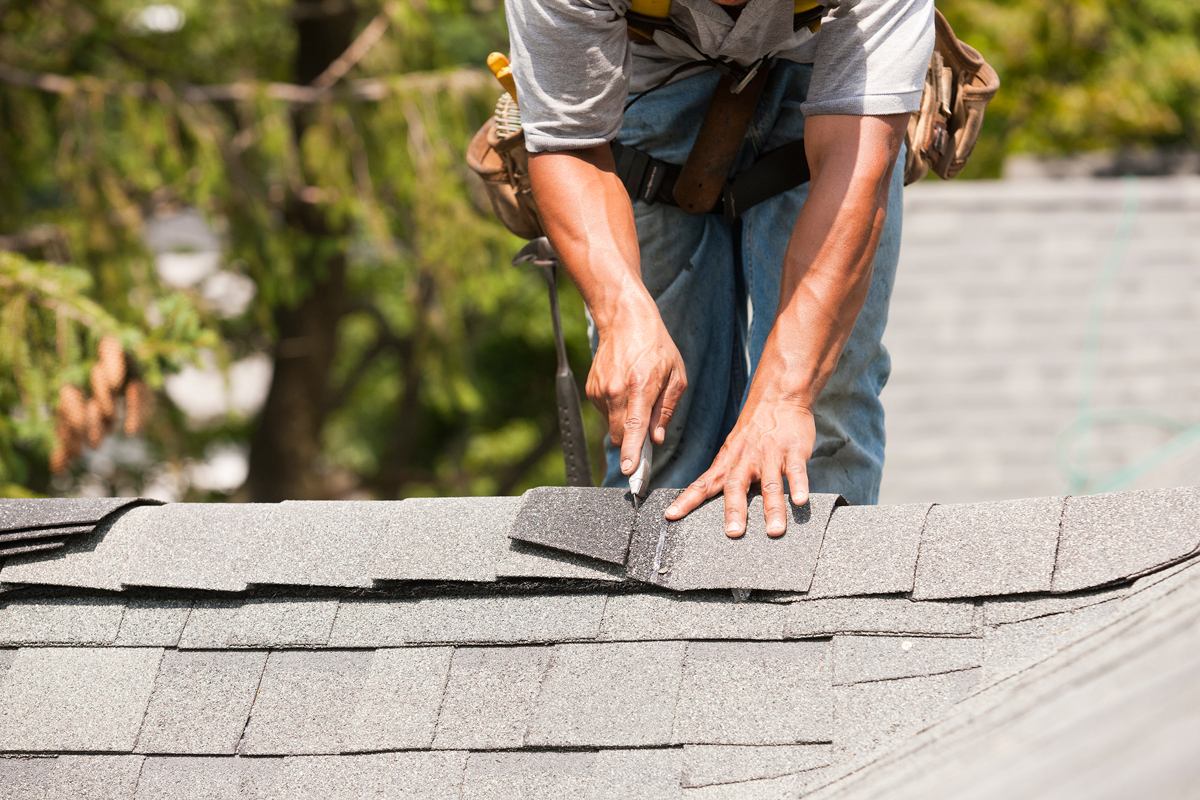
Roof nail pops occur when roofing nails rise from their intended fastening position, commonly because they have loosened or backed out of the material beneath them. As a nail moves upward, its head may press against the overlapping asphalt shingle, producing a small bump or raised area.
Roofing nails are designed to hold shingles securely against the roof decking. For the fastening system to function properly, nails must be correctly positioned, driven to the appropriate depth, and long enough to penetrate the decking as required by the shingle manufacturer.
When a fastener no longer provides adequate holding strength, the affected shingle may lift or become vulnerable to damage.
Not every visible nail head indicates a nail pop, and not every raised area on a roof is caused by a loose nail. Understanding these differences is essential before attempting any repair.
Underdriven Nails vs. Backed-Out Nails
One of the most important distinctions in diagnosing roof nail pops is whether the nail was installed incorrectly or moved after installation.
Underdriven roofing nails are fasteners that were not driven to the required depth during installation. Their heads remain raised instead of resting properly against the intended fastening surface.
This condition can create a bump beneath an overlapping shingle immediately after installation, even though the nail has not actually moved upward over time.
Backed-out roofing nails, by contrast, were previously installed but have subsequently loosened and moved away from their original position.
They may develop when a nail has insufficient penetration, loses holding strength, or is affected by movement in the supporting material.
Both conditions can create similar visible symptoms, but simply hammering the nail back down does not automatically correct the underlying problem.
Roof Nail Pops vs. Exposed Roofing Nails
Another important distinction involves exposed roofing nails.
A popped nail may remain concealed beneath the overlapping shingle, while an exposed nail is visible on the roof surface.
Exposed fasteners may result from improper nail placement, previous roofing repairs, shingle damage, or a nail backing out far enough to become visible.
Some exposed nails are intentionally used in particular roofing details, subject to specific sealing and installation requirements. Therefore, visibility alone does not prove that the fastener has failed.
The location of the nail, surrounding shingle condition, and installation details determine whether corrective work is necessary.
6 Common Causes of Roof Nail Pops
Understanding the causes of roof nail pops helps distinguish isolated fastening defects from problems involving multiple shingles.
1. Roofing Nails Installed Too High
A nail that was not driven to the required depth may sit above the shingle surface.
When another shingle overlaps it, the raised nail head can press against the material and produce a noticeable bump.
If the nail head creates concentrated pressure, it may eventually damage the overlapping shingle.
A properly installed roofing fastener should meet the shingle manufacturer’s requirements for nail depth and placement.
2. Insufficient Nail Penetration
Roofing nails must penetrate the supporting deck sufficiently to provide the intended holding strength.
When nails are too short for the roofing assembly or fail to reach the required depth, they may not remain securely anchored.
Over time, the fastener can loosen or gradually move outward.
This is especially relevant when additional roofing layers or the thickness of the roof assembly affect the required nail length.
3. Incorrect Nail Placement
Asphalt shingles have specific fastening zones designed to provide proper attachment.
Nails installed outside the recommended area may fail to secure the roofing material correctly.
Depending on their location, incorrectly placed nails can also become exposed or create unnecessary openings in vulnerable sections of the roof.
Correct placement should always follow the requirements for the specific shingle product.
4. Moisture-Related Movement in the Roof Deck
Wood-based roof decking can experience dimensional changes as its moisture content changes.
If a nail already has inadequate holding strength, these movements may contribute to the fastener becoming loose.
However, ordinary seasonal movement does not mean properly installed roofing nails should routinely pop out.
Repeated movement involving multiple fasteners may indicate a problem that requires closer assessment.
5. Weakened Fastener Holding Strength
Roofing nails rely on the supporting deck to remain securely attached.
If the material around a nail becomes damaged or loses its ability to hold fasteners, the nail may begin to loosen.
In this situation, replacing or repositioning one nail may not resolve the problem unless the new fastener can achieve adequate holding strength.
The condition of the underlying material must be considered, but extensive discussion of deteriorated sheathing belongs in a separate assessment of roof decking rather than a simple nail pop repair.
6. Previous Roofing Installation or Repair Errors
Some instances of roofing nails popping up can be traced to earlier roofing work.
For example, incorrectly positioned replacement nails, insufficient fastening depth, or unsuitable fastener selection may create localized problems.
If nail pops consistently appear in the same area, it may be useful to review the previous installation or repair rather than assuming the damage developed naturally.
5 Warning Signs of Nail Pops in Shingles
Recognizing nail pops in shingles can help homeowners identify areas that need professional attention before the roofing material becomes more severely damaged.
1. Small Raised Bumps Beneath Asphalt Shingles
One of the most recognizable signs is a small bump beneath an otherwise relatively flat shingle.
The raised area may occur when a nail head pushes against the material above it.
However, similar bumps can result from debris beneath shingles or irregularities in the underlying surface, so the cause should be confirmed.
2. Shingles That Appear Lifted or Uneven
A nail that sits too high may prevent overlapping shingles from lying flat.
The affected section may appear slightly elevated compared with surrounding shingles.
This can interfere with the shingle’s intended contact with the roofing surface and may contribute to additional damage.
3. Visible Nail Heads in Unexpected Locations
Metallic nail heads visible in areas normally covered by shingles may indicate improper fastening or damaged roofing materials.
A professional should determine whether the fastener is intentionally exposed as part of an approved detail or whether it represents an installation defect.
4. Small Punctures or Tears Around Fasteners
A raised nail head can press against the underside of an overlapping shingle.
Over time, concentrated pressure or movement may create a puncture or tear.
Damage around the fastener deserves attention because it may compromise the roofing material’s ability to shed water.
5. Repeated Nail Movement in the Same Roof Area
A single loose nail and several recurring nail pops do not necessarily have the same cause.
If multiple fasteners become raised in one section, the contractor may need to evaluate the fastening pattern, nail length, and holding strength of the supporting surface.
Repeated symptoms suggest that correcting individual nail heads without identifying the cause may not be sufficient.
How to Identify a Roof Nail Pop
Although some symptoms are visible from the ground, a reliable diagnosis requires evaluating the fastener and surrounding roofing material.
Homeowners should avoid lifting shingles, pulling roofing nails, or walking on potentially damaged roof surfaces.
The following table explains what different symptoms may indicate.
| What You Notice | Possible Cause | Recommended Next Step |
| Small bump beneath a shingle | Raised or underdriven nail | Inspect fastener depth and position |
| Visible nail head in a covered shingle area | Improper placement or exposed fastener | Evaluate nail location and shingle condition |
| Raised shingle with a small puncture | Pressure from a protruding nail | Assess fastener and damaged shingle |
| Several bumps in one roof section | Fastening pattern or holding-strength problem | Review installation and supporting material |
| Nail becomes raised again after correction | Original fastening problem remains | Investigate fastener grip and placement |
| Water staining near a raised nail | Possible water intrusion from one of several sources | Confirm the actual entry point before repair |
| These observations can help identify potential fastening problems, but they do not replace a professional assessment. | ||
| A qualified contractor can examine the affected roof section and determine whether the condition involves an underdriven nail, a fastener that has backed out, or another roofing irregularity. | ||
| For a more detailed evaluation, Wallenpaupack Roofers provides roof inspection and maintenance services for homeowners in Greentown and surrounding communities. |
Can Roof Nail Pops Cause a Roof Leak?
Yes, a roof nail pop leak can develop when fastener movement damages the shingle covering it or creates an opening through which rainwater can enter.
However, a raised roofing nail does not automatically mean the roof is leaking.
The risk depends on the nail’s position, the extent of movement, the condition of the surrounding shingles, and whether the fastening defect has created a vulnerable opening.
How a Raised Nail Can Damage a Shingle
An underdriven or backed-out nail may press against the underside of an overlapping shingle.
If the pressure damages the material, a puncture or tear can develop.
Rainwater may then reach the exposed opening during rainfall, particularly when wind pushes moisture beneath the surrounding roofing materials.
Can a Loose Nail Leave an Open Hole?
If a roofing nail moves away from its original position, the existing fastening hole may become enlarged or exposed.
Depending on its location, this opening can create a pathway for moisture.
The surrounding shingles and underlayment may limit water entry in some situations, but an improperly positioned or exposed fastening hole should not be ignored.
Why a Water Stain Does Not Prove the Nail Is Leaking
A ceiling stain near an area with raised roofing nails does not establish that the fastener is responsible.
Water can travel beneath roofing materials before becoming visible inside a building.
A professional should identify the actual source rather than automatically sealing the most visible nail.
Fixing Popped Roofing Nails: What Does a Proper Repair Involve?
Fixing popped roofing nails requires identifying why the fastener is raised and whether the surrounding shingle has been damaged.
The repair should restore secure fastening and maintain the roofing material’s ability to shed water.
Step 1: Determine Whether the Nail Is Underdriven or Loose
A roofing professional first evaluates the condition of the nail.
An underdriven nail may require a different correction from one that has backed out because of inadequate holding strength.
The contractor also checks whether the nail is correctly positioned within the manufacturer’s designated fastening area.
Step 2: Correct or Replace the Defective Fastener
When a nail is incorrectly positioned or no longer secure, the appropriate repair may involve removing it and installing a suitable replacement fastener.
The replacement must meet the shingle manufacturer’s requirements for type, length, penetration, and location.
Driving a loose nail back into the same weakened hole may not restore reliable holding strength.
Step 3: Address the Original Fastener Opening
If the original nail is removed, its hole must be addressed using an appropriate repair method.
The correct treatment depends on the shingle product, location of the opening, and condition of the roofing materials.
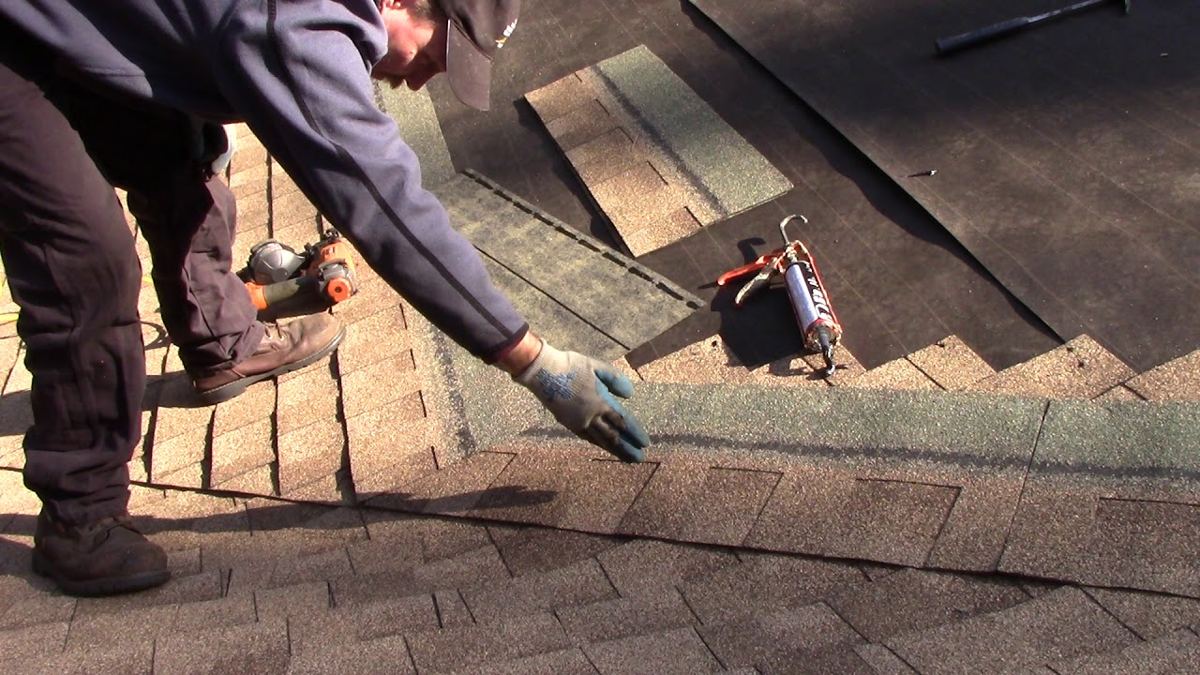
Manufacturer-approved repair procedures may include compatible roofing cement or other specified materials, but a surface patch should not substitute for proper fastening.
Step 4: Inspect the Overlapping Shingle
A raised nail can damage the roofing material above it.
If the shingle has been punctured, torn, or otherwise compromised, replacement may be necessary.
The contractor should also consider the condition of adjacent shingles to avoid damaging otherwise serviceable materials during the repair.
Step 5: Confirm the Repair Restores Proper Fastening
After correcting the affected fastener and roofing materials, the repaired area should be evaluated for secure attachment and appropriate shingle positioning.
If multiple fasteners have failed, additional assessment may be required to determine whether the problem affects a larger section.
For homeowners dealing with damaged shingles or raised fasteners, Wallenpaupack Roofers offers professional roof repair services in Greentown, PA, and surrounding areas.
Why Hammering Down or Caulking Popped Nails May Not Be Enough
One of the most common mistakes when addressing raised roofing nails is treating the visible nail head without checking why it moved.
Hammering a nail back into place may flatten the shingle temporarily, but it does not necessarily restore holding strength if the original hole has become enlarged or the nail was unsuitable.
Likewise, applying caulk over an exposed nail does not correct incorrect placement or a fastening defect.
Some roofing repairs legitimately involve manufacturer-approved sealing methods, but these methods must be used as part of an appropriate repair rather than as a universal substitute for securing the fastener.
The goal is to restore reliable attachment and protect the surrounding shingle, not simply hide the raised nail.
When Should Roof Nail Pops Be Repaired?
The urgency depends on whether the fastener has damaged the roofing material or created an exposed opening.
A raised nail that has punctured a shingle deserves prompt assessment because the opening may allow moisture intrusion.
Similarly, visibly lifted shingles, multiple loose fasteners, or recurring movement after earlier repairs may indicate a problem requiring attention.
A small isolated bump with no visible damage may not be an immediate emergency, but it should be monitored and assessed during appropriate roof maintenance.
If active leaking or significant roofing damage is present, contacting a professional sooner can help reduce the risk of further deterioration.
Homeowners should not climb onto steep, wet, icy, or elevated roofs to investigate or repair the problem themselves.
How to Prevent Roofing Nails From Popping Up
Prevention begins with correct installation and an appropriate fastening system.
Follow the Shingle Manufacturer’s Fastening Requirements
Roofing nails should be selected and installed according to the manufacturer’s specifications for the particular asphalt shingle.
These requirements can include nail type, diameter, length, placement, and the number of fasteners needed for the applicable installation.
Drive Nails to the Correct Depth
Nail heads should sit at the intended fastening surface without remaining raised or being driven so deeply that they damage the shingle.
Correct nail depth helps provide secure attachment without unnecessarily stressing the roofing material.
Use Fasteners With Adequate Penetration
The fastener length must be appropriate for the roof assembly and supporting deck.
Insufficient penetration can reduce holding strength and increase the risk of fastening problems.
Check Suspected Nail Pops During Roof Maintenance
Visible bumps, loose shingles, or unexpected nail exposure should be evaluated before they lead to additional roofing damage.
A professional assessment can distinguish isolated installation defects from recurring fastening concerns.
Roof Nail Pops in Greentown and Lake Wallenpaupack, PA
Homes throughout Greentown, Hawley, Tafton, Lakeville, and the Lake Wallenpaupack area experience seasonal weather changes that can place demands on roofing materials.
Asphalt shingle roofs must remain properly secured through temperature fluctuations, rainfall, wind, and winter conditions.
However, roof nail pops should not automatically be blamed on the local climate.
Incorrect nail placement, inadequate penetration, and insufficient fastening strength are more directly relevant to understanding why an individual nail may become raised.
For homeowners who notice unusual bumps or exposed fasteners, a focused inspection can determine whether the condition affects a single shingle or requires attention to a larger roof section.
Raised Roofing Nails or Damaged Shingles? Contact Wallenpaupack Roofers
A small raised nail may seem harmless, but if it is lifting or damaging an asphalt shingle, the affected area deserves attention before the defect becomes more extensive.
**Wallen