A small roof problem does not always mean that a homeowner needs a complete replacement. A missing shingle, damaged pipe boot, or isolated flashing issue may often be corrected with a professional repair. The decision becomes more complicated when leaks return, damage appears across several roof slopes, or moisture reaches the underlying deck.
Understanding the main roof replacement signs can help Greentown homeowners avoid paying for repeated temporary repairs while also preventing an unnecessary replacement. The goal is not to replace a roof simply because it is older. The goal is to evaluate how well the complete roofing system is still protecting the property.
This guide explains seven important warning signs, how contractors compare repair with replacement, what affects the project cost, and what homeowners should expect if a new roofing system becomes necessary.
Why Roof Replacement Signs Should Be Evaluated Early
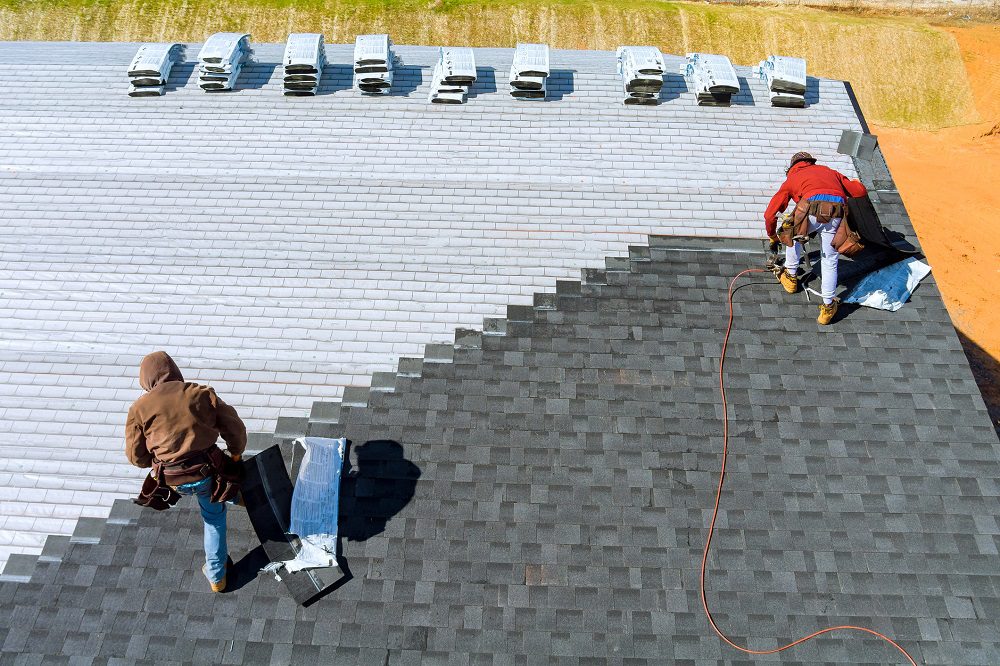
Roof problems rarely improve on their own. A small opening can allow water to reach the underlayment, insulation, decking, ceilings, or walls. The visible stain inside the home may also appear far away from the point where water entered the roof.
Recognizing roof replacement signs early gives homeowners time to arrange an inspection before the damage spreads. It also makes it easier to compare the cost and expected value of another repair with the cost of replacing a deteriorated roofing system.
An early inspection does not automatically lead to replacement. In many cases, a limited problem can still be handled through professional roof repair services. The inspection should identify the cause of the issue, the condition of the surrounding materials, and whether the roof can continue performing reliably after repair.
1. Roof Replacement Signs: Leaks That Keep Returning
One of the clearest roof replacement signs is a leak that returns after previous repairs.
A roof may develop a new leak in a different location, but repeated water entry through the same section often indicates that the original problem was larger than expected. The issue may involve deteriorated underlayment, failed flashing, damaged decking, or several weak points within the same roof area.
Homeowners should review the repair history and ask:
- Was the original source of the leak identified?
- Was only the visible surface repaired?
- Has the same ceiling stain returned?
- Are there new stains near the original area?
- Has moisture entered the attic or insulation?
When several repair attempts fail to stop the water, another patch may offer only short-term relief. A professional roof inspection and maintenance assessment can help determine whether the problem remains isolated or has affected a larger part of the system.
2. Roof Replacement Signs: Widespread Shingle Damage
A few missing or broken shingles can often be replaced. Widespread curling, cracking, lifting, buckling, or granule loss is different.
These roof replacement signs suggest that the materials are deteriorating across several areas rather than failing in one isolated spot. Replacing a handful of shingles may improve the appearance, but it may not address the condition of the remaining roof.
Homeowners can often notice warning signs from the ground, including uneven shingle lines, exposed areas, missing tabs, or large amounts of granules near downspouts. However, climbing onto the roof is not recommended, especially when the surface is wet, steep, icy, or visibly damaged.
The contractor should inspect multiple roof slopes, ridges, valleys, edges, and transitions before recommending repair or replacement.
3. Roof Replacement Signs: A Sagging or Uneven Roofline
A visibly sagging or uneven roofline is one of the most serious roof replacement signs.
Sagging may be associated with prolonged moisture exposure, weakened decking, framing concerns, or excessive weight. It is not usually a problem that can be corrected by installing a few new shingles over the affected area.
The exact cause cannot be confirmed from the ground. A qualified professional may need to inspect the roof surface, attic, rafters, decking, and other structural components.
Homeowners should arrange an inspection promptly when they notice a dip in the roofline, a soft-looking area, or a section that appears different from the surrounding roof. Installing a new exterior material without correcting the underlying cause will not restore the strength of the roof assembly.
4. Roof Replacement Signs: Water Stains in Multiple Areas
One interior stain may result from a single flashing or penetration problem. Stains appearing in several rooms, near different exterior walls, or across separate attic areas may indicate a wider roofing issue.
Interior moisture becomes one of the important roof replacement signs when it appears in multiple locations or continues to spread after repairs. Water can travel along rafters, decking, insulation, pipes, and ceiling materials before it becomes visible, so the stain may not be directly below the opening.
The inspection should look beyond the interior damage and evaluate:
- Shingles or exterior roofing material.
- Valleys and roof transitions.
- Chimney and wall flashing.
- Pipe boots, vents, and skylights.
- Underlayment and accessible decking.
- Attic moisture and ventilation.
Finding the true source is essential before deciding whether a repair is sufficient.
5. Roof Replacement Signs: Repairs Are Becoming More Frequent
Every roof may require occasional maintenance. The concern begins when repairs are needed more often and new problems continue appearing in different areas.
Frequent repair work can become one of the clearest roof replacement signs for an aging or generally deteriorated system. Homeowners should compare the total amount spent on recent repairs with the expected remaining performance of the roof.
A repair may still be the right choice when the damage is isolated and the remaining materials are in suitable condition. Replacement may be more practical when:
- Different sections have failed within a short period.
- New shingles cannot be matched reliably with the old material.
- Flashing and underlayment are deteriorating in several locations.
- The deck contains multiple soft or damaged areas.
- Repair costs continue rising without providing dependable protection.
The decision should consider long-term value, not only the lowest immediate cost.
6. Roof Replacement Signs: Moisture-Damaged Roof Decking
The roof deck forms the structural base beneath the underlayment and exterior roofing material. When water reaches the deck repeatedly, sections can become soft, swollen, stained, delaminated, or deteriorated.
Moisture-damaged decking is among the roof replacement signs that cannot be solved by replacing surface shingles alone. The affected wood must be exposed and evaluated before a reliable roofing system can be installed.
Some deck damage may be visible from the attic, but other areas remain hidden until the old roof is removed. This is why estimates should explain how unexpected deck repairs will be documented and priced.
A contractor should not install new materials over wood that cannot provide a stable base. Correcting the deck first helps support proper fastening and reduces the risk of future movement or leaks.
7. Roof Replacement Signs After Storm Damage
Strong winds, falling branches, hail, heavy snow, and wind-driven rain can affect shingles, metal panels, flashing, vents, gutters, and roof penetrations.
After severe weather, roof replacement signs may include lifted shingles, missing sections, punctures, damaged flashing, exposed decking, or problems across several slopes. One damaged area may be repairable, while widespread storm damage may require a larger solution.
Homeowners should inspect the property from a safe location and photograph visible damage. They should not climb onto a wet, icy, steep, or unstable roof.
The Pennsylvania Insurance Department’s natural disaster guide recommends documenting damage, contacting the insurer, preventing additional damage when safely possible, and keeping receipts for temporary measures.
A professional storm damage roof assessment can document the visible roofing conditions and explain whether the affected areas may be repaired.
Roof Repair or Replacement: How Is the Decision Made?
The presence of one warning sign does not automatically mean that the complete roof must be replaced. Contractors should evaluate how many roof replacement signs are present, how severe they are, and whether they affect isolated areas or the overall system.
Repair May Be Enough When
A repair may be appropriate when the damage is limited to one area, the surrounding materials remain functional, the deck is dry and stable, and there is no pattern of recurring leaks.
Examples include a few missing shingles, one failed pipe boot, limited flashing damage, or an isolated puncture caused by debris.
Replacement May Be More Practical When
Replacement may be the better long-term option when leaks return after repairs, shingle deterioration appears across multiple slopes, several roof components are failing, or the deck has widespread moisture damage.
A responsible contractor should explain why the recommended option fits the roof’s actual condition. Homeowners should understand what can be repaired, what remains at risk, and how long the proposed solution is reasonably expected to perform.
Why Roof Age Is Not the Only Factor
Homeowners often ask whether a roof must be replaced after a specific number of years. Age matters, but it should not be the only deciding factor.
Two roofs installed in the same year can age differently because of installation quality, material selection, roof pitch, tree coverage, sun exposure, attic conditions, maintenance, and storm history.
An older roof that remains dry, stable, and well-maintained may not need immediate replacement. A newer roof with poor flashing, trapped moisture, or installation problems may develop serious issues much earlier.
The better question is whether the complete system is still protecting the home reliably. Age should be considered alongside visible damage, repair history, moisture conditions, and the main roof replacement signs identified during inspection.
How Greentown Weather Can Affect Roofing Systems
Greentown homes experience seasonal temperature changes, snow, freezing conditions, rain, wind, and moisture. These conditions can expose weaknesses in shingles, flashing, valleys, roof edges, penetrations, and attic ventilation.
During winter, warm air escaping from the living space may contribute to uneven roof temperatures. Snow can melt and refreeze near the eaves, increasing the risk of ice-related problems.
The U.S. Department of Energy guidance on preventing ice dams explains the importance of air sealing, insulation, ventilation, and roof-assembly design in cold climates.
Roofing decisions should therefore consider more than the visible surface. A contractor may also need to evaluate underlayment, ventilation, attic moisture, roof edges, and transitions. Homeowners concerned about airflow can review available roof ventilation solutions.
What Happens During a Complete Roof Replacement?
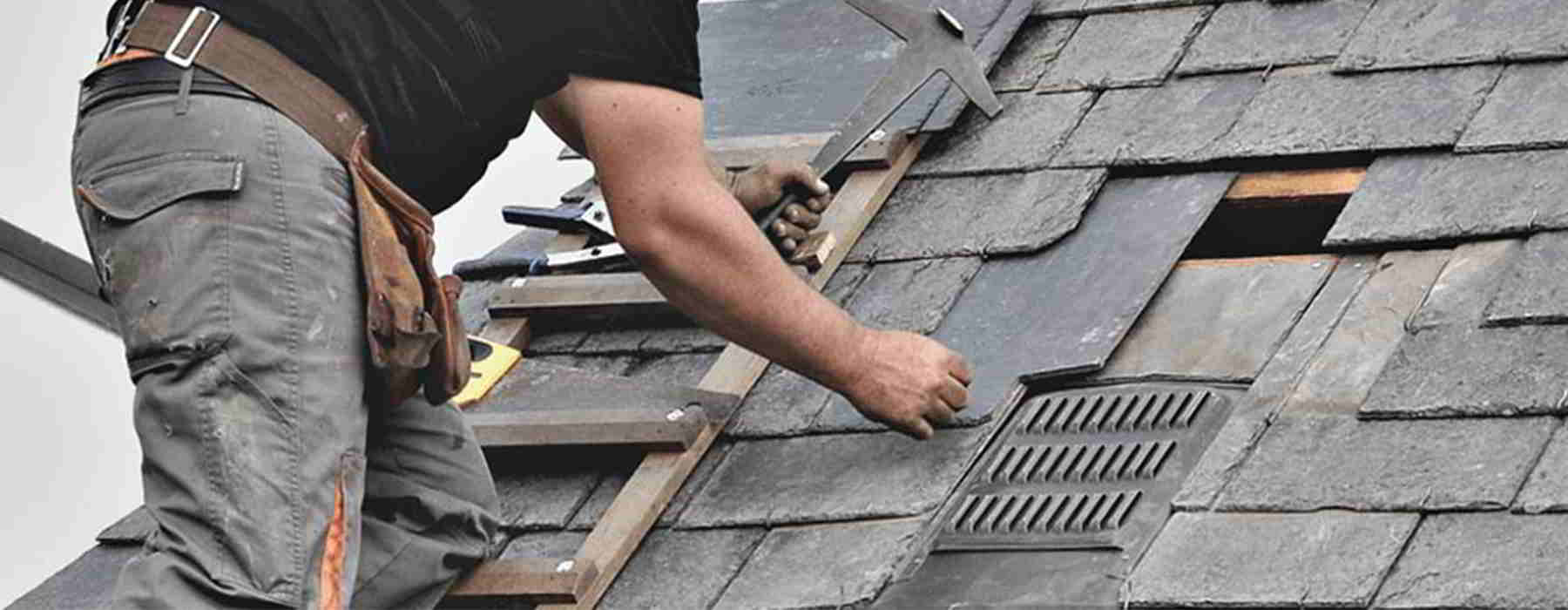
When an inspection confirms several roof replacement signs, homeowners should understand what a complete replacement usually includes.
Initial Inspection and Written Scope
The contractor evaluates the visible roofing materials, flashing, valleys, roof edges, penetrations, drainage, ventilation, and accessible interior warning signs.
The written estimate should explain what will be removed, which materials will be installed, how decking repairs will be handled, and what protection and cleanup are included.
Property Preparation
Vehicles, outdoor furniture, decorations, and movable items may need to be relocated. The crew should plan access, material placement, and protection for landscaping, siding, windows, and driveways.
Removal of Existing Materials
The old roofing material and underlayment are removed according to the project agreement. A full tear-off allows the deck and hidden details to be inspected.
Roof Deck Evaluation
The exposed deck is checked for soft, damaged, or deteriorated sections. Unsuitable wood should be corrected before the new roofing system is installed.
Underlayment and Moisture Protection
Suitable underlayment is installed over the prepared deck. Additional membrane protection may be used around vulnerable areas such as valleys, eaves, penetrations, and wall transitions.
Flashing and Ventilation
Flashing around chimneys, walls, pipes, vents, skylights, and valleys should be addressed as part of the project. Ventilation should also be reviewed when heat or moisture may have contributed to roof deterioration.
New Roofing Material Installation
The selected shingles, metal panels, or other approved material are installed according to the project scope and applicable manufacturer instructions.
Cleanup and Final Review
Old materials, packaging, loose nails, and debris should be removed. The contractor and homeowner can then review the completed work, warranty information, and maintenance recommendations.
Asphalt Shingles or Metal Roofing?
Material selection depends on the property, roof design, appearance preferences, budget, and long-term plans.
Architectural asphalt shingles are commonly selected for residential homes because they are available in many profiles and colors and generally involve a lower initial investment than many metal systems.
Metal roofing may be considered by homeowners seeking a different appearance, longer-term material performance, or effective snow shedding. It requires careful planning around panel layout, seams or fasteners, flashing, transitions, ventilation, and snow movement.
Neither material is automatically best for every home. The complete installation matters as much as the visible product. Homeowners should compare the deck preparation, underlayment, flashing, ventilation, warranty terms, and expected maintenance of each system.
What Affects Roof Replacement Cost?
The number and severity of the roof replacement signs found during inspection can influence the final project scope and cost.
Important factors include roof size, pitch, shape, existing layers, material selection, deck condition, flashing requirements, ventilation, property access, and disposal needs.
A simple roof with one existing layer may require less labor than a steep roof with several valleys, chimneys, dormers, and damaged decking.
An estimate should identify the proposed materials and work rather than showing only one final number.
What Should a Roof Replacement Estimate Include?
Before approving an estimate, homeowners should confirm that it explains:
- Removal and disposal of existing materials.
- The selected roofing product.
- Underlayment and moisture protection.
- Flashing work.
- Ventilation work.
- Roof deck repair terms.
- Property protection and cleanup.
- Expected project schedule.
- Payment terms.
- Material warranty.
- Workmanship warranty.
- Items that are not included.
Two estimates with different totals may not include the same scope. Comparing the details helps homeowners understand the actual value of each proposal.
How Long Does Roof Replacement Take?
There is no single timeline that applies to every roof. The schedule depends on the roof size, pitch, complexity, selected material, number of existing layers, deck condition, weather, and access to the property.
A straightforward asphalt shingle roof may follow a different schedule from a steep, complex, or metal roofing project.
Homeowners should ask for a realistic expected schedule and understand that unsafe weather or hidden deck damage may require additional time.
Understanding Roof Warranties
Roof replacement warranties generally involve material coverage and workmanship coverage.
A manufacturer’s warranty applies to the roofing product according to its terms, exclusions, installation requirements, and registration conditions.
A workmanship warranty relates to the contractor’s installation. Homeowners should ask what is covered, how long the coverage lasts, what is excluded, and how a future warranty request should be submitted.
All warranty documents should be kept with the contract, invoices, product information, and project photos.
Frequently Asked Questions About Roof Replacement Signs
What Roof Replacement Signs Should Greentown Homeowners Watch For?
The main roof replacement signs include recurring leaks, widespread shingle damage, a sagging roofline, water stains in multiple areas, frequent repairs, moisture-damaged decking, and extensive storm damage.
Does One Leak Mean the Roof Must Be Replaced?
No. One leak may result from an isolated flashing, shingle, vent, or penetration problem. Replacement becomes more likely when leaks keep returning or several areas are affected.
Can Only Part of a Roof Be Replaced?
A partial replacement may be possible depending on the roof design, location of the damage, condition of the remaining materials, and ability to create dependable transitions.
Can New Shingles Be Installed Over Old Shingles?
This depends on the existing roof, number of layers, deck condition, local requirements, and manufacturer instructions. Removing the old roof allows the underlying deck to be inspected.
Should Ventilation Be Checked During Replacement?
Yes. Poor attic airflow and trapped moisture can contribute to roofing problems. Replacement provides an opportunity to review intake and exhaust ventilation.
Does Insurance Automatically Cover a New Roof After a Storm?
No. Coverage depends on the policy, cause of damage, exclusions, deductible, documentation, and the insurer’s assessment.
Understanding the main roof replacement signs can help Greentown homeowners decide when a limited repair may still be suitable and when complete replacement should be considered.
One missing shingle or one leak does not automatically require a new roof. The decision should be based on the extent of the damage, condition of the deck, repair history, flashing, ventilation, and expected performance of the remaining system.
When an inspection confirms that replacement is the appropriate option, review Wallenpaupack Roofers’ professional roof replacement services for information about the next stage.
To arrange an inspection or discuss the condition of your roof, contact Wallenpaupack Roofers or call (570) 390-3166.


