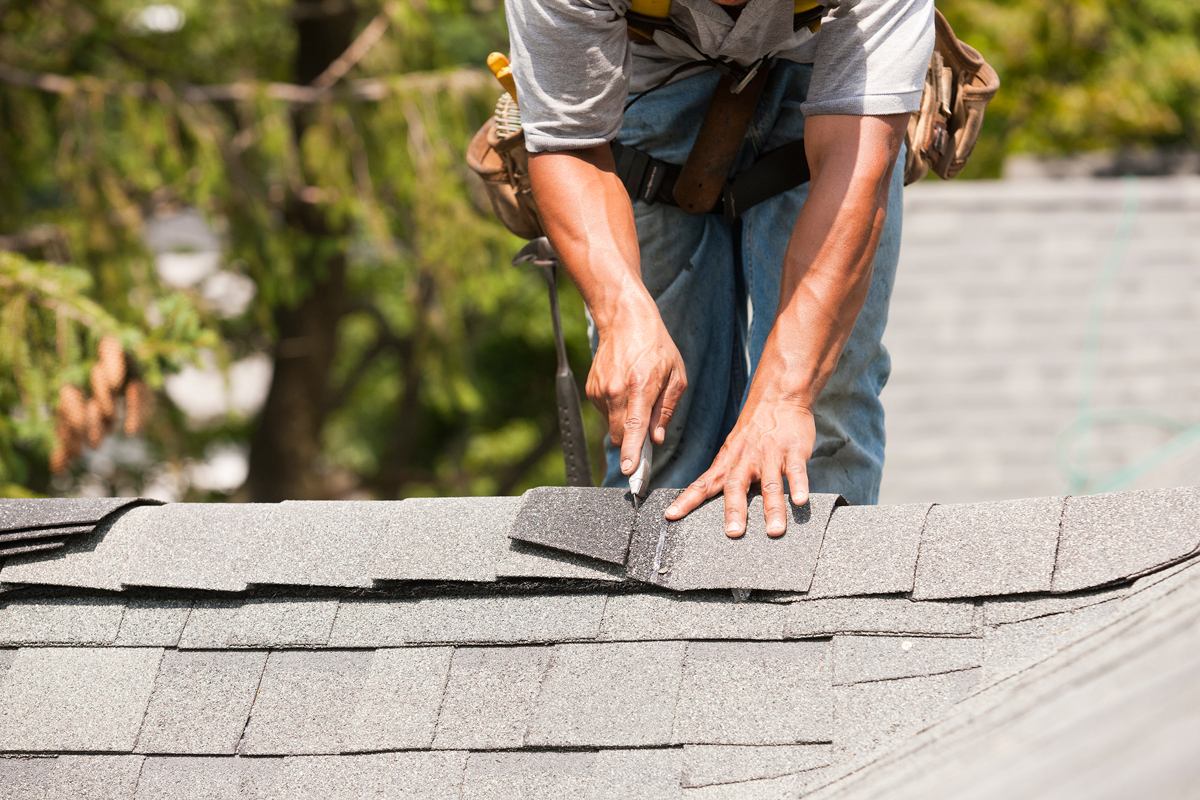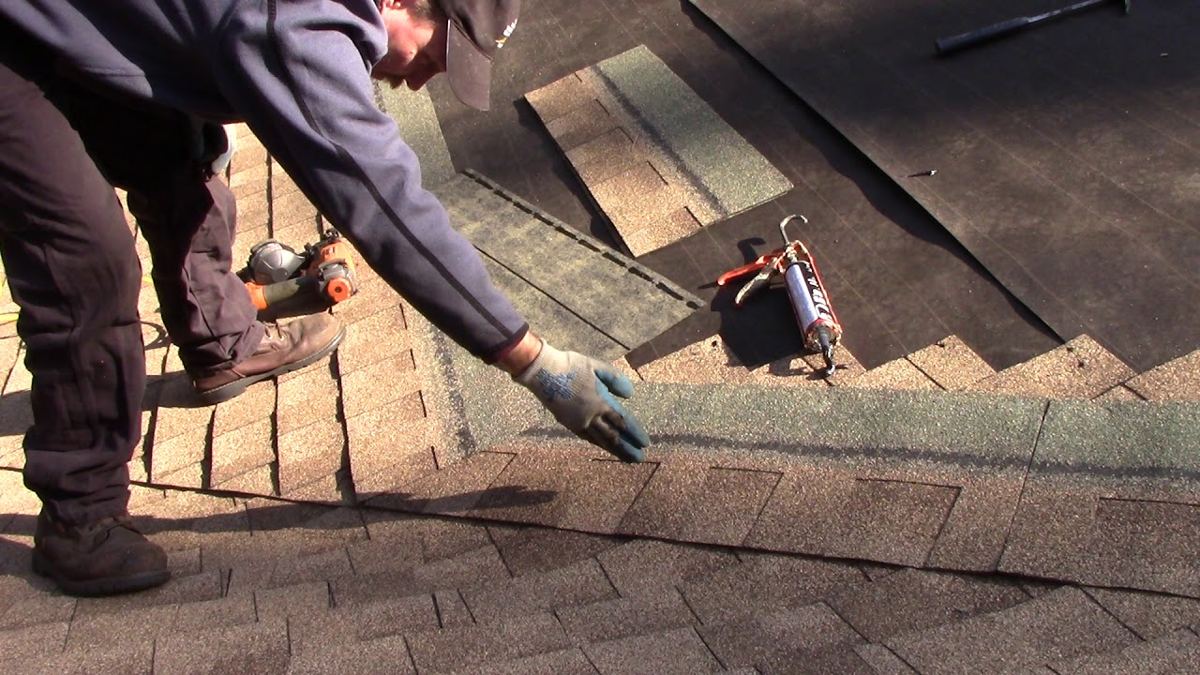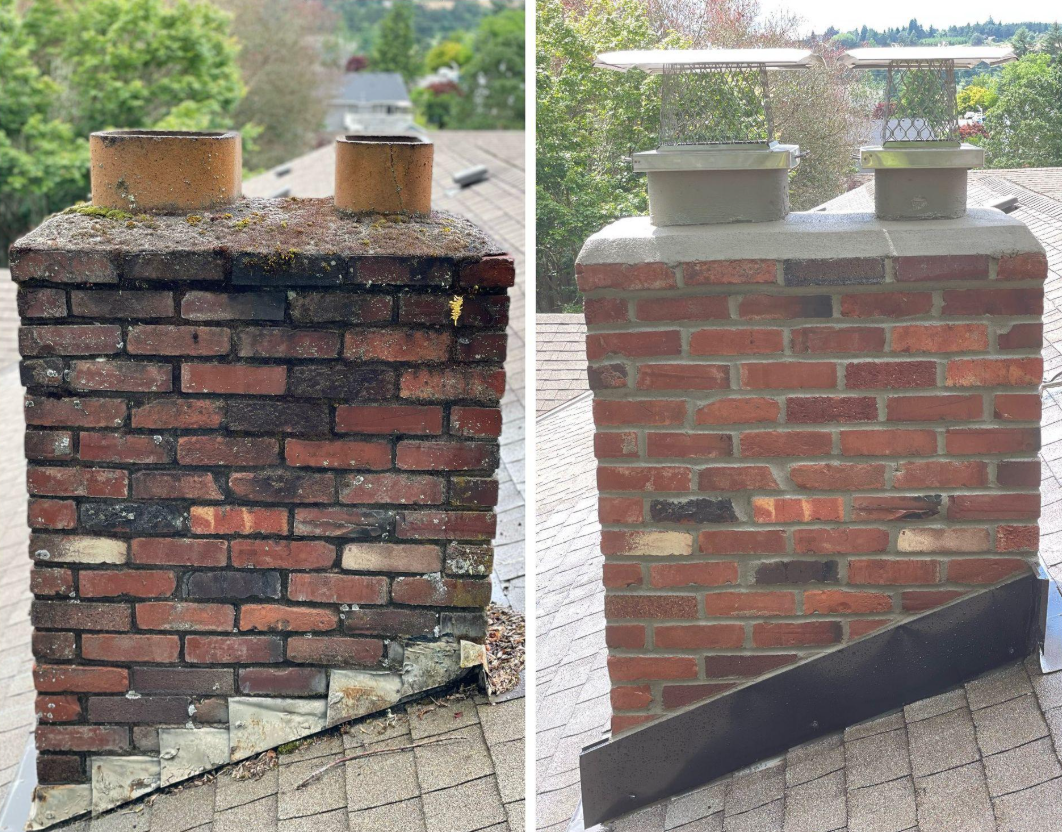
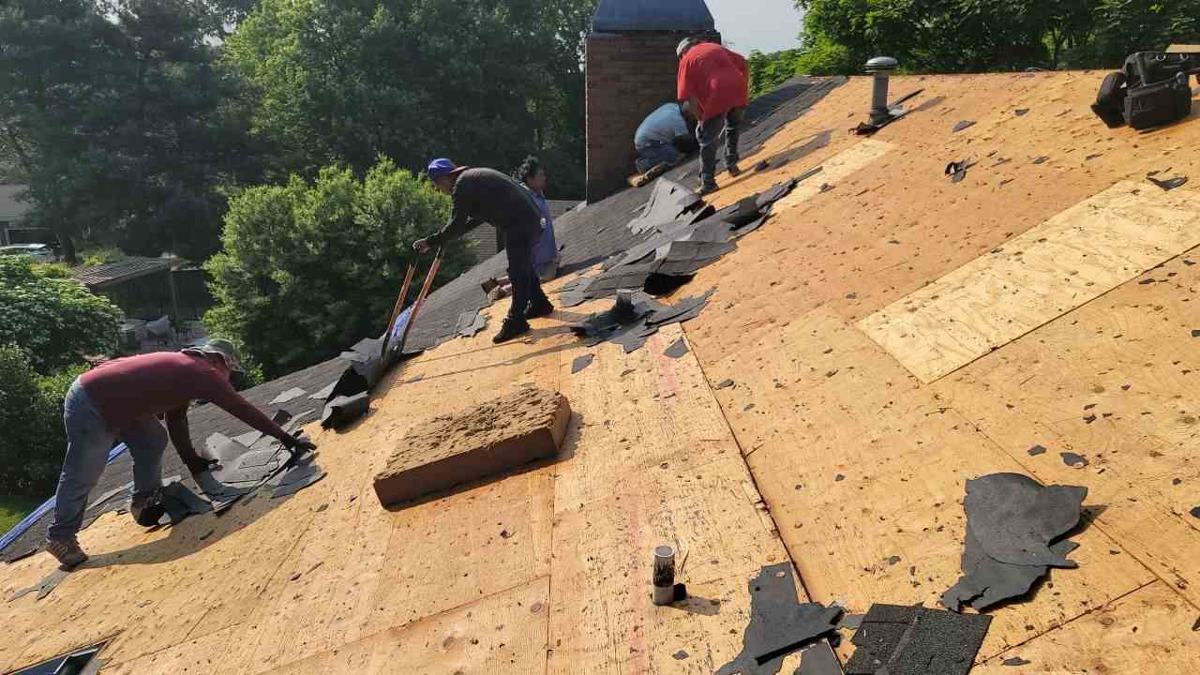
Your roof may look perfectly normal from the outside while the wood beneath its shingles is slowly deteriorating. This hidden problem, known as roof decking rot, can weaken the surface supporting your roofing materials and affect how securely shingles remain attached. Because the damage develops beneath the roof covering, many homeowners do not discover it until water stains appear in the attic, the roof surface becomes uneven, or deteriorated wood is exposed during roofing work.
Roof decking, also called roof sheathing, forms the supporting surface installed over the roof framing. When moisture repeatedly reaches this material or remains trapped for extended periods, the wood can deteriorate and lose its ability to perform as intended.
For homeowners in Greentown, Hawley, Tafton, and the Lake Wallenpaupack area, understanding the signs of roof decking rot can help identify concealed damage before it affects a larger section of the roofing system.
However, not every dark stain indicates wood rot, and finding one damaged panel does not automatically mean the entire roof needs replacement. The important questions are how much of the material is affected, whether it remains structurally sound, and what caused the moisture exposure.
What Is Roof Decking Rot?
Roof decking rot is a form of wood deterioration that develops when prolonged moisture creates conditions suitable for wood-decaying fungi. As deterioration progresses, the affected sheathing may soften, crumble, lose strength, or become unable to hold roofing fasteners reliably.
Most residential roof assemblies use plywood, oriented strand board (OSB), or, in some older homes, individual wood planks. These materials provide a surface for roofing underlayment and shingles while helping the roof assembly perform its intended structural functions.
When water repeatedly enters beneath the roof covering, or moisture accumulates on the underside of the sheathing, the material can remain damp long enough for deterioration to develop.
The severity of rotted roof decking depends on the duration of moisture exposure, the type of wood product, and the extent of decay. A small discolored area may remain serviceable, while extensively deteriorated sheathing may require replacement.
Plywood Roof Decking vs. OSB Sheathing
Plywood and OSB are both widely used for residential roof sheathing, but their construction influences how moisture damage may appear.
Plywood consists of multiple layers of wood veneer bonded together. Prolonged moisture exposure can cause swelling, weaken the material, or lead to delamination, where the layers begin separating.
OSB consists of engineered wood strands bonded into panels. Excessive moisture can cause panel swelling, particularly along exposed edges, and severe deterioration may reduce the panel’s strength or fastening performance.
Neither material should be assumed to be damaged simply because it has become wet once. The key issue is whether moisture exposure has caused permanent changes that affect its suitability for the roofing system.
Water-Damaged Roof Sheathing vs. Actual Wood Rot
One of the most important distinctions homeowners should understand is that water damaged roof sheathing is not necessarily rotten.
Wood may develop stains from a previous leak without losing its strength. A panel may also become temporarily damp and dry again after the moisture source is corrected.
Actual wood rot involves biological decay that affects the wood material itself. When decay has significantly weakened the sheathing, drying it will not restore the lost strength.
This distinction helps explain why some stained panels can remain in place while others must be replaced.
7 Warning Signs of Roof Decking Rot
The signs of roof decking rot are not always visible from the ground. Some develop on the underside of the sheathing inside an attic, while others become apparent only when the roofing materials are removed.
1. Soft or Spongy Roof Decking
One of the strongest warning signs is wood that has lost its normal firmness.
Soft roof decking may indicate significant deterioration, particularly when the material feels unusually weak or begins to crumble.
A damaged panel may no longer provide reliable support or hold roofing nails securely.
However, homeowners should never attempt to test questionable decking by walking on the roof or applying pressure to a suspected weak area. A professional should assess the material using appropriate safety procedures.
2. Dark Water Stains on Roof Sheathing
Dark patches or irregular discoloration on the underside of the roof deck can indicate previous or ongoing moisture exposure.
These stains are commonly discovered when homeowners inspect accessible attic areas after noticing ceiling discoloration.
Although staining deserves attention, it does not automatically confirm wood rot. The affected wood may be dry and structurally sound, or it may have experienced repeated moisture exposure that requires closer investigation.
3. Sagging or Uneven Roof Sections
A noticeable depression or irregularity in the roof surface can sometimes indicate weakened decking.
As the sheathing loses strength, it may no longer provide the intended support between framing members.
However, roof sagging can also result from framing problems, installation defects, or other structural conditions.
Visible sagging should be assessed promptly because it may involve concerns beyond the roofing material itself.
4. Repeated Moisture in the Attic
Recurring damp patches, wet insulation, or water marks that reappear after rainfall may indicate moisture reaching the roof deck.
If these conditions continue, the wood can remain exposed to moisture for prolonged periods.
The source may involve roof penetrations, flashing, or other defects, but the visible location of the moisture does not always identify the original entry point.
5. Plywood Delamination or Swollen OSB
Changes in the physical shape of sheathing panels can indicate damaging moisture exposure.
Plywood may show separation between layers, while OSB can develop swollen edges, roughened surfaces, or permanent distortion.
These conditions are especially important when the panel can no longer provide a suitable surface for roofing installation.
Not every swollen edge indicates biological rot, but significant deformation should be evaluated before the material is reused.
6. Roofing Nails Losing Their Holding Strength
Roofing nails depend on sound sheathing for proper attachment.
When the underlying material deteriorates, its ability to hold fasteners may decrease.
If several nails repeatedly loosen in an area affected by moisture, the decking may need evaluation.
However, individual fastening defects can also result from improper installation. Our guide to roof nail pops explains how raised roofing nails develop and when they require attention.
7. Persistent Musty Odors or Visible Moisture Damage
A musty odor in the attic may indicate unwanted moisture or microbial activity.
When odors occur alongside stained sheathing, damp insulation, or visibly deteriorated wood, they justify further investigation.
An odor alone cannot establish whether the roof deck is rotten, but it can be one of several clues pointing toward a concealed moisture problem.
What Causes Roof Decking to Rot?
Understanding the causes of roof decking rot is essential because replacing damaged panels without correcting the moisture source may allow the problem to return.
Long-Term Water Intrusion Beneath Roofing Materials
Rainwater can reach the roof deck when the roofing system develops an opening or a water-shedding detail fails.
Repeated exposure can occur beneath damaged shingles or around vulnerable transitions.
Water may travel across or beneath parts of the roofing assembly before reaching the sheathing, meaning the visible damage is not always directly below the original entry point.
Attic Condensation and Poor Moisture Control
Not all moisture affecting roof decking enters from outside.
Warm, humid indoor air may move into attic spaces through gaps around ceiling penetrations, access openings, or other air leakage pathways.
When that moisture reaches sufficiently cold roof sheathing, condensation can develop.
Repeated or sustained condensation can leave the underside of the decking damp, creating conditions that may eventually contribute to deterioration.
The appropriate solution depends on the building’s air sealing, insulation, ventilation arrangement, and indoor moisture sources. Adding roof vents alone does not necessarily correct a condensation problem.
Moisture Around Roof Penetrations
Chimneys, skylights, and plumbing vents create transitions where roofing materials must direct water around openings.
A defect at one of these locations can allow moisture to reach adjacent roof sheathing.
When the problem continues unnoticed, damage may develop beneath the surrounding roofing materials.
Moisture Damage Hidden by Previous Roofing Work
Sometimes damaged decking is discovered only after existing shingles are removed.
A previous repair may have addressed the visible roof covering without revealing deterioration beneath it.
This is why examining the exposed sheathing is important before new roofing materials are installed.
Roof Decking Rot vs. Water Stains: How Can You Tell the Difference?
Dark attic wood can look concerning, but discoloration alone is not enough to establish that a panel needs replacement.
The most useful evaluation considers the condition of the wood, whether it has permanently changed shape, and whether it still provides adequate support.
Dry Staining Without Structural Damage
If the moisture source has been corrected and the sheathing is dry, firm, and otherwise sound, visible staining may represent historical water exposure rather than ongoing deterioration.
The material may remain serviceable if it continues to meet the requirements of the roof assembly.
Swelling and Delamination
Swelling or layer separation indicates that moisture has affected the physical properties of the panel.
A professional should determine whether the changes compromise structural performance, fastening strength, or suitability for continued use.
Soft or Crumbling Wood
Material that breaks apart, feels unusually weak, or shows significant decay is more concerning than simple surface discoloration.
Extensively deteriorated wood cannot be restored to its original structural condition by drying or applying a surface coating.
Repeated Dampness
Even when obvious wood decay is not yet visible, recurring dampness indicates that the moisture source has not been adequately addressed.
The underlying problem should be corrected before it causes additional damage.
A professional roof inspection and maintenance assessment can help identify visible moisture concerns and determine whether further investigation of concealed roofing materials is necessary.
How Roofing Professionals Determine the Extent of Rotted Roof Decking
Determining whether sheathing needs replacement involves more than identifying a dark or damp area.
The assessment should establish the condition of the material, the possible source of moisture, and whether the damage extends beyond the section initially observed.
Identifying the Original Moisture Source
The first step is determining why the sheathing became wet.
A contractor may evaluate accessible attic conditions, roof penetrations, surrounding flashing, and patterns of moisture movement.
This helps distinguish rainwater intrusion from condensation or other moisture-related conditions.
Correcting the source is essential before restoring damaged roofing materials.
Checking the Material’s Physical Condition
A professional may examine whether the wood shows softness, decay, delamination, swelling, or other changes affecting its performance.
Moisture measurements can help identify damp areas, but a moisture reading does not independently prove that wood has rotted or lost structural strength.
The findings must be interpreted alongside the material’s visible and physical condition.
Evaluating Plywood Delamination
When plywood layers begin separating, the contractor evaluates whether the panel remains suitable for its intended application.
Significant separation can affect the integrity of the sheathing even if the exposed surface appears relatively dry.
The decision to replace the panel depends on the extent of deterioration and applicable roofing requirements.
Evaluating OSB Edge Swelling
OSB may develop thickness changes along panel edges following moisture exposure.
Minor surface irregularities do not automatically require replacement.
However, substantial swelling, loss of integrity, or permanent distortion can make the panel unsuitable for supporting roofing materials.
Checking Adjacent Decking and Framing
Damage may extend farther than the visible stain or exposed rotten section.
Where necessary, the contractor assesses adjacent panels and supporting members to establish the boundaries of the affected area.
If significant deterioration involves rafters, trusses, or other structural framing, additional qualified structural assessment may be required.
Inspecting the Deck During Roofing Work
Some problems cannot be evaluated completely while the existing roofing materials remain in place.
When shingles and underlayment are removed, the exposed decking provides a clearer view of panel condition, fastening areas, and hidden deterioration.
This allows damaged sections to be identified before the roofing system is restored.
When Is Roof Decking Replacement Necessary?
Roof decking replacement becomes necessary when the existing material can no longer provide an appropriate surface for the roofing assembly or meet its required structural and fastening functions.
The decision should be based on the severity and extent of damage rather than staining alone.
When Existing Decking May Be Reused
Decking that experienced limited moisture exposure may remain serviceable if the moisture source has been corrected and the material retains its required strength and performance.
For example, a panel with old staining but no significant distortion, delamination, or deterioration may not need replacement.
The final determination should follow applicable requirements and the specifications of the roofing materials being installed.
When a Damaged Panel Should Be Replaced
Replacement may be appropriate when sheathing exhibits significant decay, severe delamination, structural weakness, or other damage that makes it unsuitable.
A panel that cannot reliably hold roofing fasteners should not be treated as an acceptable installation surface.
Similarly, permanent distortion that prevents roofing materials from being installed correctly may justify replacement.
Can Only Part of the Roof Deck Be Replaced?
Yes. When damage is localized, it may be possible to replace only the affected panels or sections.
The repair must maintain suitable support, fastening, and continuity with the surrounding roof assembly.
The extent of removal depends on the damaged material, framing layout, accessibility, and applicable construction requirements.
Does Roof Decking Rot Mean the Entire Roof Needs Replacement?
Not necessarily.
A small area of rotted roof decking does not automatically require complete roof replacement.
However, accessing damaged sheathing may require removing the roofing materials above it.
If the roof covering is already significantly deteriorated, the decking damage is widespread, or localized roofing work cannot be performed reliably, a larger project may be appropriate.
The condition of the existing roof should determine the scope of work rather than assuming every damaged decking panel requires an entirely new roof.
What Happens During Roof Decking Replacement?
When deteriorated sheathing must be replaced, the repair generally begins by safely exposing the affected area.
The existing roofing materials are removed as necessary to provide access to the compromised decking.
The contractor then assesses the surrounding wood and identifies which sections are unsuitable for continued use.
Damaged panels or boards are removed, and the supporting structure is evaluated before replacement sheathing is installed.
The new material must be appropriate for the roof assembly and secured according to applicable structural and roofing requirements.
Proper panel support, spacing, and fastening are important because the sheathing must provide a stable surface for the roofing materials installed above it.
After the deck has been restored, the required underlayment, flashing details, and roof covering can be installed.
For homeowners planning larger roofing work, Wallenpaupack Roofers provides roof replacement services in Greentown, PA that can include evaluating the condition of the underlying roof surface before the new roofing materials are installed.
Why Installing New Shingles Over Rotted Decking Is a Problem
New shingles cannot restore the strength of wood that has already deteriorated.
When the supporting deck is soft, decayed, or otherwise compromised, roofing nails may not achieve adequate holding strength.
The damaged substrate can also create an uneven surface that interferes with proper roof covering installation.
More importantly, installing new materials over concealed deterioration does not address the original moisture problem.
If the wood has lost the properties required for the roofing system, the appropriate corrective work must be completed before the roof covering is restored.
How to Prevent Future Roof Decking Rot
Preventing moisture-related deterioration involves managing the conditions that allow sheathing to remain wet for extended periods.
Address Persistent Moisture Promptly
Recurring attic stains, visible dripping, or wet insulation should be investigated rather than ignored.
Finding and correcting the source of moisture can help limit further exposure of the roof deck.
Improve Attic Moisture Management
Proper air sealing, insulation, and ventilation where applicable can help reduce unwanted moisture accumulation.
Because different homes have different roof assemblies, moisture-control improvements should address the actual cause rather than relying on a single universal solution.
Maintain Roof Penetrations and Water-Shedding Details
Regular evaluation of vulnerable roofing transitions can help identify conditions that may allow water beneath the roof covering.
Examine Exposed Sheathing During Roofing Projects
When roofing materials are removed, checking the condition of the decking before installing new materials provides an opportunity to identify previously concealed damage.
Avoid Unsafe DIY Inspections
Suspected rotten roof decking can pose a fall-through hazard.
Homeowners should not walk on weak roof surfaces or enter attic areas where damaged sheathing or unsafe structural conditions may be present.
Roof Decking Rot in Greentown and Lake Wallenpaupack, PA
Homes around Lake Wallenpaupack experience rainfall, snowfall, freezing temperatures, and seasonal temperature changes that can influence moisture conditions within roof assemblies.
During colder months, warm indoor air entering an attic can create condensation when it contacts sufficiently cold roof sheathing.
At other times, recurring exterior moisture exposure can affect wood beneath roofing materials.
These conditions make it important to investigate the source of moisture rather than assuming every instance of roof decking rot developed for the same reason.
Homeowners in Greentown, Hawley, Tafton, Lakeville, and nearby Northeast Pennsylvania communities should seek professional evaluation when they notice persistent attic dampness, soft or distorted sheathing, or visible deterioration beneath the roof covering.
Is Your Roof Decking Soft or Rotted? Contact Wallenpaupack Roofers
Finding hidden wood damage beneath your shingles does not automatically mean your entire roof must be replaced. However, identifying the extent of deterioration is important for determining whether a localized repair or a more extensive roofing project is appropriate.
Wallenpaupack Roofers serves homeowners in Greentown, PA, and surrounding Lake Wallenpaupack communities with professional roofing services.
If you are concerned about soft roof decking, moisture-damaged sheathing, or deteriorated wood discovered during roofing work, our team can help assess the roofing system and discuss suitable next steps.
Understanding the condition of the existing decking helps ensure that necessary repairs are addressed before new roofing materials are installed.
Call (570) 390-3166 or contact Wallenpaupack Roofers about roof replacement to discuss your roofing concerns and request a professional assessment.
Frequently Asked Questions About Roof Decking Rot
What are the first signs of roof decking rot?
Early warning signs may include recurring moisture stains, persistent attic dampness, soft roof sheathing, and visible panel distortion. However, staining alone does not confirm that wood rot has developed.
Can roof decking rot without a visible roof leak?
Yes. Moisture from attic air leakage and condensation can sometimes contribute to wood deterioration even when there is no obvious rainwater leak.
Does dark plywood in the attic mean it needs replacement?
Not necessarily. Dark staining may indicate previous moisture exposure rather than structural deterioration. The material should be evaluated for firmness, delamination, moisture conditions, and overall integrity.
Is plywood roof rot different from OSB water damage?
Both materials can deteriorate following prolonged moisture exposure, but the symptoms may differ. Plywood may show layer separation, while OSB can develop swollen edges or other permanent distortion. Significant deterioration in either material may require replacement.
Can soft roof decking be repaired without replacing it?
If the material is soft because it has significantly decayed or lost strength, drying or surface patching will not restore its original performance. Replacement of the affected section may be necessary.
Can only one damaged roof decking panel be replaced?
Yes. Localized r