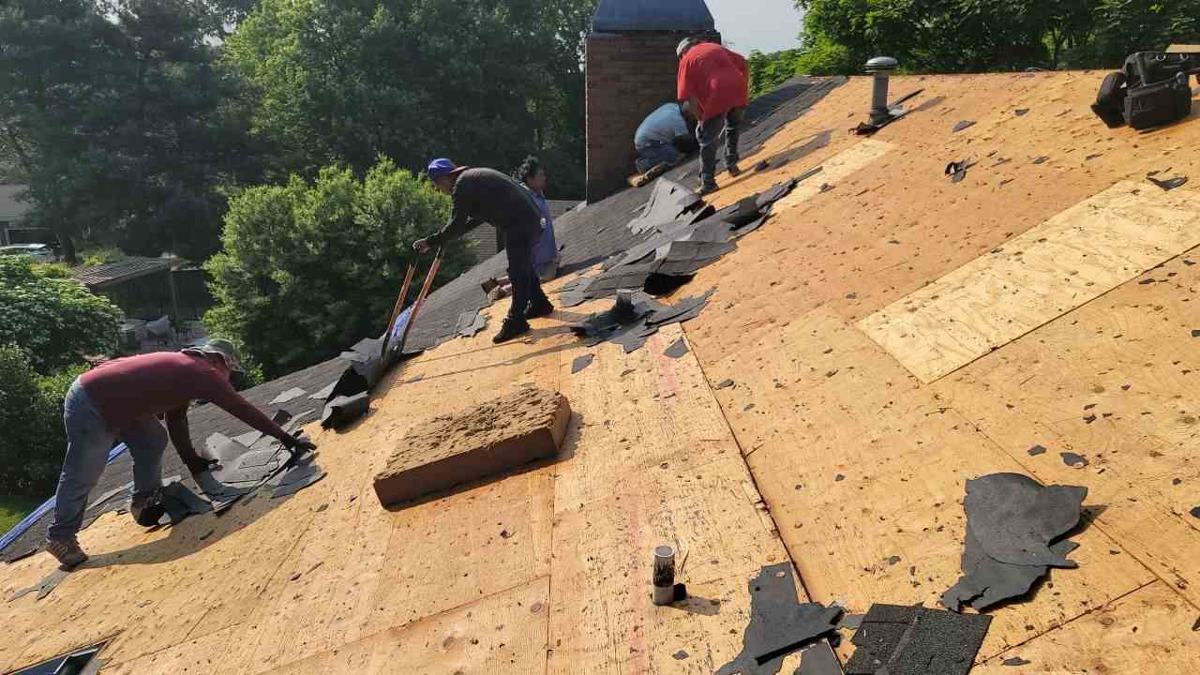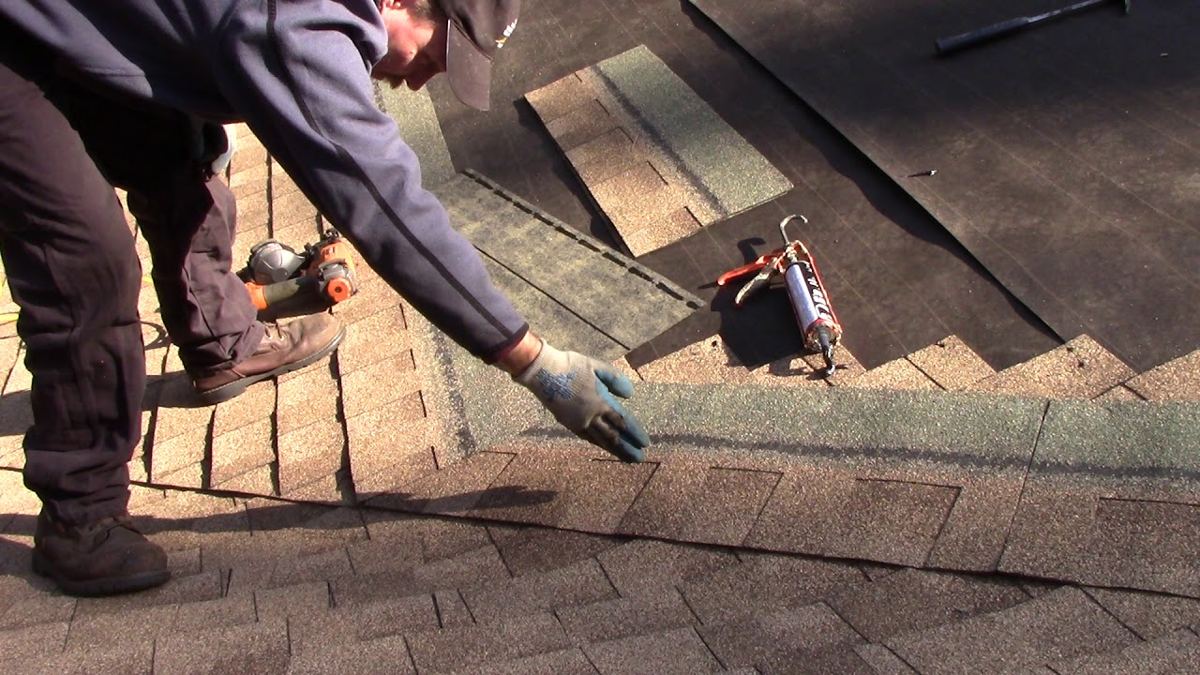
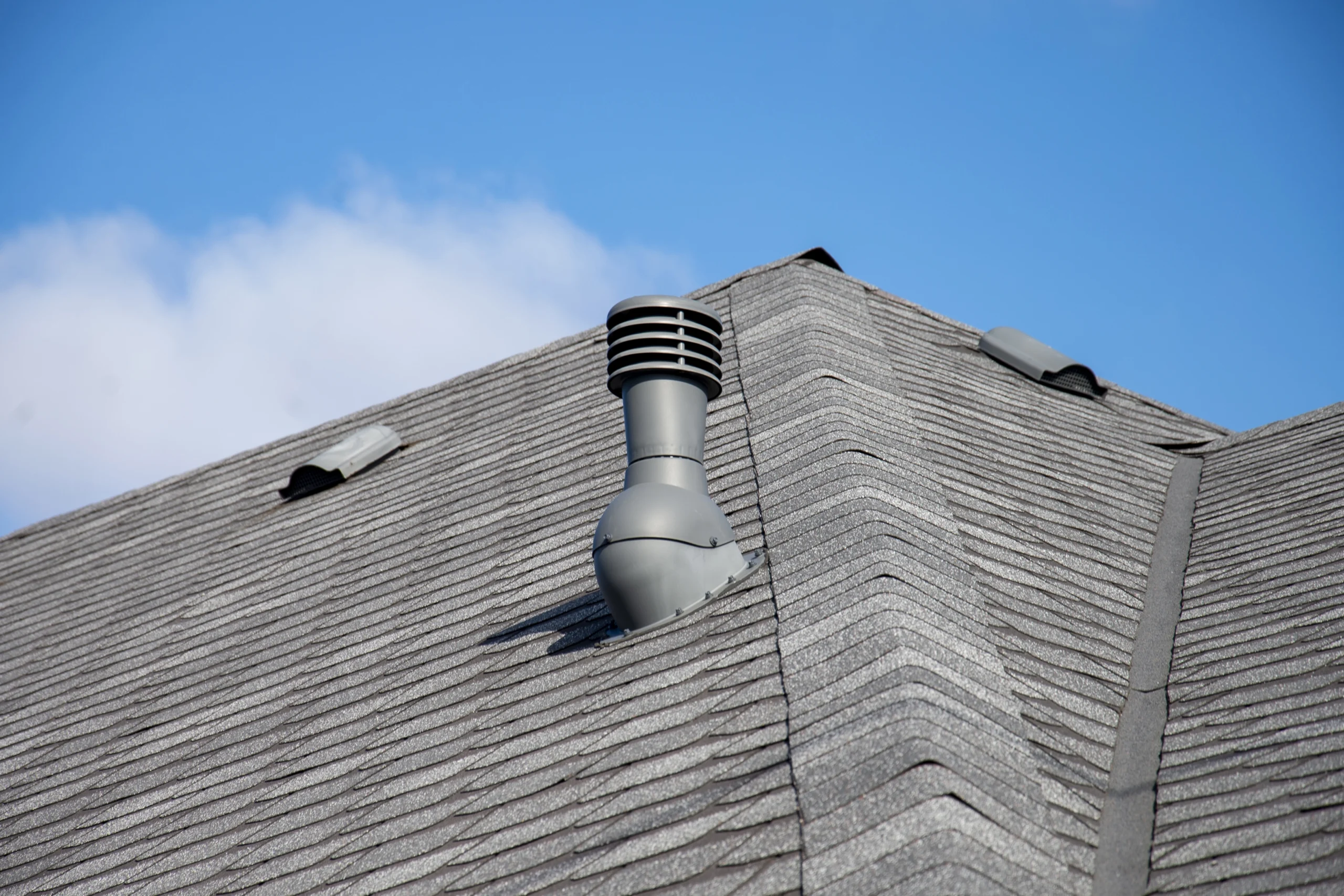
A small water stain near a ceiling or damp insulation around a plumbing vent can be an early warning sign of a roof pipe boot leaking. Although the affected area may look minor, a damaged seal around the vent pipe can allow rainwater to enter beneath the roofing materials and reach the roof decking or attic.
A roof pipe boot is designed to seal the opening where a plumbing vent pipe passes through the roof. When its rubber collar cracks, the flashing deteriorates, or the installation loses its watertight integrity, water may enter around the penetration. Because the leak often develops gradually, homeowners may not notice the problem until moisture reaches an interior surface.
For homeowners in Greentown, Hawley, Tafton, and the Lake Wallenpaupack area, seasonal temperature changes, snowfall, and periods of heavy rain can expose weaknesses in aging roofing components.
Understanding how a pipe boot fails, recognizing the symptoms, and choosing an appropriate repair can help prevent avoidable damage without automatically requiring a complete roof replacement.
What Is a Roof Pipe Boot and How Does It Prevent Leaks?
A roof pipe boot, also called a plumbing vent boot or pipe flashing, seals the opening around a plumbing vent pipe that extends through the roof.
A typical roof pipe boot includes a flashing base designed to integrate with the surrounding shingles and a flexible collar that fits tightly around the pipe. Together, these components help direct rainwater over the roof surface instead of allowing it to enter the penetration.
The flashing base and rubber collar perform different functions. The base manages water flowing across the roof, while the collar seals the narrow gap between the pipe and the flashing.
If either component fails, the entire assembly may lose its ability to prevent water intrusion.
A roof pipe boot leaking usually results from a deterioration of the collar, damage to the flashing base, or an installation problem that allows water to move beneath the surrounding roofing materials.
6 Signs Your Roof Pipe Boot May Be Leaking
Roof pipe boot problems do not always cause water to drip directly beneath the vent pipe. Moisture can follow the underside of the roof decking or travel along framing before becoming visible.
The following warning signs can help identify a possible leaking roof vent pipe.
1. Water Stains Near a Plumbing Vent
Brown or yellow ceiling stains may indicate moisture entering through the roofing system. If the affected area is located below or near a plumbing vent penetration, the pipe boot should be considered a possible source.
However, ceiling stains alone cannot confirm the problem because water can travel from another location before becoming visible.
2. Cracks in the Rubber Vent Boot
A cracked roof vent boot is one of the most recognizable signs of deterioration. Rubber collars can become brittle, shrink, split, or separate from the pipe after prolonged exposure to sunlight and temperature fluctuations.
Even a narrow opening may allow wind-driven rain or water flowing along the pipe to enter the roof assembly.
3. Wet Insulation Around the Vent Pipe
Damp attic insulation near a plumbing vent can indicate an ongoing moisture problem.
If the insulation repeatedly becomes wet following rainfall, a professional should inspect the vent penetration and surrounding roofing materials.
4. Water Dripping During Heavy Rain
Some roof pipe boot leaks become noticeable only during prolonged rainfall or windy conditions.
Wind-driven water can reach vulnerable areas around damaged collars or incorrectly installed flashing.
The timing of the leak can provide useful diagnostic information, but it does not establish the exact source.
5. Damaged Shingles Surrounding the Pipe
Cracked, lifted, or improperly positioned shingles may allow water to move beneath the flashing assembly.
In these cases, the leak may involve both the pipe boot and the surrounding roofing materials rather than a failed rubber seal alone.
6. Darkened or Soft Roof Decking
Water that enters through an aging vent boot can accumulate around the roof sheathing.
Discoloration, soft wood, or visible moisture near the penetration may indicate prolonged exposure. These conditions should be assessed promptly to determine whether the damage extends beyond the flashing.
What Causes Roof Pipe Boot Failure?
Identifying the cause of roof pipe boot failure is important because the appropriate repair depends on which component has deteriorated.
Rubber Deterioration From Sun Exposure
Roof vent collars are exposed to ultraviolet radiation, changing temperatures, and weather throughout the year.
Over time, rubber may lose flexibility and develop cracks around the plumbing vent pipe.
This type of deterioration can occur even when the surrounding asphalt shingles remain serviceable.
Incorrect Pipe Boot Size
A roof boot that does not fit the plumbing vent pipe correctly may create gaps around the seal.
An oversized collar may not maintain adequate contact with the pipe, while an improperly fitted assembly can experience additional stress or distortion.
Correct sizing is essential when installing a replacement boot.
Improper Flashing Installation
Roof flashing must be integrated with the surrounding shingles in a way that directs water down the roof surface.
If the flashing overlaps are incorrect, the base is poorly positioned, or fastener locations allow water intrusion, the assembly may leak even when the rubber collar is intact.
Temperature Changes and Material Movement
In Northeast Pennsylvania, roofing components experience seasonal temperature fluctuations, freezing conditions, and periods of snow accumulation.
Expansion and contraction can place stress on an aging rubber collar or weakened flashing connection.
These conditions may accelerate existing deterioration, particularly when the boot has already lost flexibility.
Damaged Flashing or Nearby Shingles
A roof vent flashing leak can also develop when the flashing base becomes bent, damaged, or separated from surrounding roofing materials.
In some cases, the problem is caused by damaged shingles immediately above or beside the penetration, allowing water to enter beneath the flashing.
How to Identify a Leaking Roof Vent Pipe
When investigating a suspected roof pipe boot leaking, it is important to distinguish visible symptoms from the actual entry point.
Several observations can help a homeowner document the problem without climbing onto the roof.
| What You Notice | Possible Explanation | Recommended Next Step |
| Water stains below a plumbing vent | Damaged collar or flashing | Inspect the vent penetration |
| Visible cracks around the pipe seal | Aging rubber boot | Evaluate collar or boot replacement |
| Wet insulation near the vent | Water entering the roof assembly | Check surrounding flashing and decking |
| Water appearing during heavy rain | Compromised seal or flashing overlap | Have the penetration professionally assessed |
| Recurring moisture after a previous patch | Underlying damage was not corrected | Inspect the complete flashing assembly |
| Damaged shingles around the pipe | Water entering beneath nearby roofing materials | Evaluate shingles and flashing together |
| These observations are useful starting points, but they are not definitive diagnoses. A plumbing leak, condensation issue, or another roof penetration may create similar symptoms. | ||
| A professional roof inspection and maintenance assessment can help determine whether the moisture originates at the pipe boot or another part of the roof. |
What a Roofer Checks During a Pipe Boot Inspection
A roofing professional generally evaluates the rubber collar, flashing base, vent pipe fit, surrounding shingles, and visible signs of moisture damage.
The inspection may also include checking accessible attic areas for damp insulation, stained sheathing, or evidence of water traveling along structural components.
If the leak cannot be identified through visual inspection, additional diagnostic methods may be necessary depending on the roofing system and site conditions.
The goal is to identify the failed component rather than assuming that every vent-related leak requires the same repair.
Roof Vent Boot Repair vs. Replacement: Which Is Better?
Once the source has been identified, the next decision is whether a localized repair can restore the seal or whether the complete pipe boot should be replaced.
When a Roof Vent Boot Repair May Be Enough
A limited repair may be appropriate when the flashing base is in good condition and the defect is confined to a component that can be repaired or replaced independently.
For example, certain roof boot systems allow the use of compatible replacement collars or purpose-designed retrofit components.
However, the repair must be compatible with the existing materials and installed according to the applicable product instructions.
A simple patch is not necessarily suitable when the rubber collar has deteriorated extensively or the flashing base is damaged.
When Roof Vent Boot Replacement Is Necessary
A complete roof vent boot replacement may be recommended when:
- The rubber collar has extensive cracking or separation.
- The flashing base is bent, corroded, or otherwise damaged.
- The existing boot does not fit the plumbing vent correctly.
- Previous repairs have failed to stop moisture intrusion.
- The flashing was installed incorrectly and needs to be integrated properly with the shingles.
- Multiple components of the boot assembly have deteriorated.
Replacing the complete boot generally involves removing or lifting the necessary surrounding roofing materials, fitting the new flashing correctly, and restoring the water-shedding overlaps.
The exact process depends on the roof material, flashing design, and condition of the surrounding shingles.
Can Surrounding Shingles Be Reused?
In some situations, a contractor may be able to work with existing shingles that remain in good condition.
However, brittle, damaged, or improperly installed shingles may require replacement during the repair.
A professional should evaluate whether the surrounding materials can be safely lifted and reinstalled without compromising the roof.
For a targeted assessment, Wallenpaupack Roofers provides professional roof repair services for leaking flashing, damaged shingles, and other localized roofing problems.
Why Caulk Alone May Not Fix a Roof Pipe Boot Leak
Applying roofing caulk or sealant around a cracked pipe collar may seem like an inexpensive solution.
However, sealant alone does not always correct the underlying problem.
If the collar has lost its flexibility, a surface patch may fail as the materials continue to expand and contract.
Similarly, applying sealant over damaged flashing or incorrectly overlapped shingles will not necessarily restore proper water drainage.
Some sealants may also be unsuitable for particular rubber or flashing materials.
A compatible sealant may have a role in certain manufacturer-approved repairs, but it should not automatically replace a deteriorated flashing component.
If a previously patched boot continues to leak, the complete assembly should be reassessed rather than repeatedly covered with additional sealant.
What Happens If a Roof Pipe Boot Leak Is Ignored?
A damaged plumbing vent boot can allow moisture to reach materials that are not designed for prolonged water exposure.
The extent of the resulting damage depends on the amount of water entering, how long the leak continues, and the condition of the surrounding roof assembly.
Roof Decking Deterioration
Repeated moisture exposure may contribute to swelling, staining, or decay of wood roof sheathing.
If the decking becomes structurally compromised, additional repairs may be necessary when the flashing is replaced.
Damaged Attic Insulation
Water entering around the vent pipe may saturate nearby insulation, reducing its performance and requiring further evaluation.
Interior Ceiling Damage
Moisture can stain ceilings, damage paint, and affect drywall finishes.
Because water may travel along framing, the visible ceiling damage may not be directly beneath the failed pipe boot.
Mold and Persistent Moisture
Areas that remain damp can support microbial growth and develop musty odors.
Correcting the leak and addressing affected materials helps prevent ongoing moisture problems.
Early intervention can often limit the extent of these issues, especially when the surrounding roofing system remains in serviceable condition.
How to Prevent Roof Pipe Boot Leaks
Although some deterioration is unavoidable as roofing materials age, routine observation and maintenance can help identify vulnerable components before significant water intrusion occurs.
Inspect Plumbing Vent Flashing During Roof Maintenance
Ask a qualified roofing professional to examine rubber collars, flashing bases, and the shingles surrounding vent penetrations during routine maintenance visits.
Watch for Changes After Severe Weather
Following heavy rain, strong winds, or snowmelt, check accessible interior areas for new moisture stains or damp insulation.
Replace Deteriorated Components Promptly
A collar showing advanced cracking or separation should be evaluated before the opening becomes a source of recurring leaks.
Avoid Repeated Temporary Patching
If a pipe boot continues leaking after a repair, request an assessment of the complete flashing assembly rather than relying on repeated surface patches.
Leave Roof Access to Qualified Professionals
Roof inspection and flashing replacement involve fall hazards and the risk of damaging roofing materials. Homeowners should avoid climbing onto steep, wet, icy, or otherwise unsafe roofs to investigate a suspected leak.
Roof Pipe Boot Problems in Greentown and Lake Wallenpaupack, PA
Homes around Greentown, Hawley, Tafton, Lakeville, and Lake Wallenpaupack experience changing weather conditions throughout the year.
Rainfall, snowfall, freezing temperatures, and seasonal warming can place additional demands on aging roofing components.
A cracked roof vent boot or weakened plumbing vent flashing may become noticeable during periods of heavy rain or snowmelt, especially when the seal has already deteriorated.
However, the presence of water near a plumbing vent does not automatically mean the entire roof has reached the end of its service life.
A focused inspection can establish whether the problem involves the rubber collar, flashing base, nearby shingles, or moisture damage to the surrounding materials.
Addressing the actual source helps homeowners avoid unnecessary repairs while protecting their roofing system.
Suspect a Leaking Roof Vent Boot? Contact Wallenpaupack Roofers
If you have noticed ceiling stains, damp attic insulation, or other warning signs of a roof pipe boot leaking, having the affected area assessed can help prevent the problem from getting worse.
Wallenpaupack Roofers provides roof repair services for homeowners in Greentown, PA, and surrounding communities throughout the Lake Wallenpaupack area.
Our team can evaluate damaged vent flashing, deteriorated rubber collars, and nearby roofing materials to help determine the appropriate repair solution.
Whether the issue requires a compatible collar repair, complete pipe boot replacement, or repairs to surrounding shingles, identifying the source of the moisture is the first step.
Call Wallenpaupack Roofers at (570) 390-3166 or request professional roof repair assistance to discuss your roofing concern.
Frequently Asked Questions About Roof Pipe Boot Leaks
How can I tell if my roof pipe boot is leaking?
Signs may include water stains near a plumbing vent, damp insulation, cracked rubber collars, or moisture appearing during rainfall. A professional inspection can help confirm whether the leak originates at the pipe boot or another nearby component.
Can a cracked roof vent boot cause a roof leak?
Yes. A cracked roof vent boot can create an opening around the plumbing vent pipe, allowing rainwater to enter beneath the roof covering. The severity depends on the extent of the damage and exposure to water.
Can a roof pipe boot be repaired without replacing the entire roof?
Often, yes. When the surrounding roofing materials remain sound, a localized collar repair or complete pipe boot replacement may resolve the problem without requiring a full roof replacement.
Is a roof vent flashing leak expensive to repair?
The cost depends on the roofing material, roof accessibility, boot design, and whether nearby shingles or decking have been damaged. An inspection is needed to determine the appropriate scope of work and provide a reliable estimate.
How long does a rubber roof vent boot last?
The service life varies according to material quality, sun exposure, installation, weather conditions, and maintenance. Rubber collars can deteriorate before the surrounding roofing materials, so periodic inspections are important.
Will roof sealant permanently stop a leaking pipe boot?
Not necessarily. Sealant may help in certain appropriate applications, but it cannot reliably correct every cracked collar, damaged flashing base, or installation defect. Replacement may be needed when the assembly has deteriorated.
Should I call a roofer for a leaking plumbing vent boot?
Yes, especially if you notice active water intrusion, recurring ceiling stains, or visible damage around the vent penetration. A qualified roofer can assess the flashing assembly and recommend an appropriate repair.