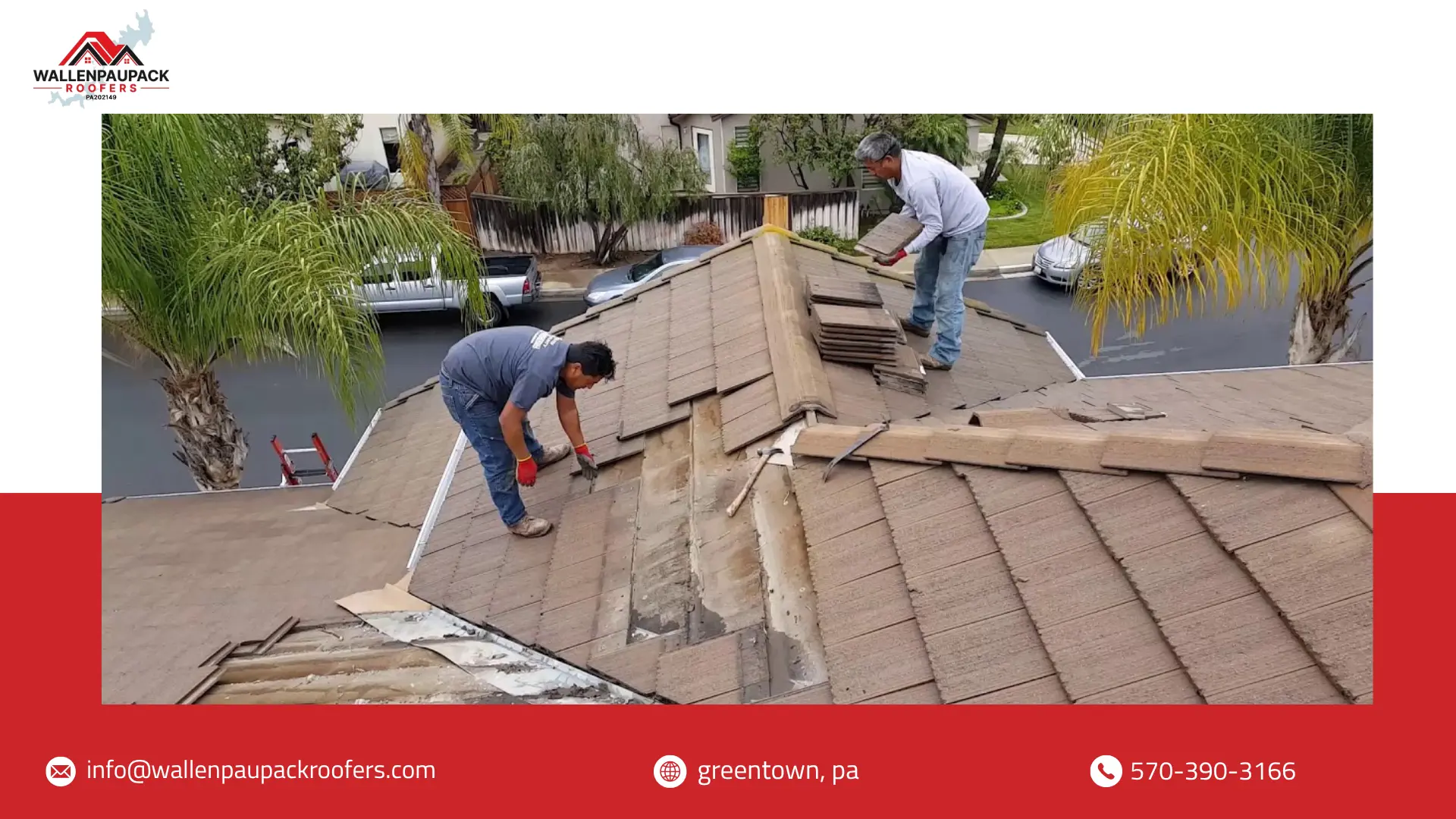
A roof leak rarely begins as a dramatic stream of water pouring through the ceiling In many cases, the first warning is much smaller: a faint ceiling stain, damp attic insulation, peeling paint, a musty odor, or moisture that appears only during certain storms The visible sign may also be far from the actual point where water entered the roof
That is why effective Roof Leak Repair starts with diagnosis, not simply covering the spot where water becomes visible The goal is to identify how water is entering the roofing system, understand what materials have been affected, and determine whether the problem can be corrected with a localized repair or whether a larger section of the roof needs attention
For homeowners and property owners in Northeast Pennsylvania, changing seasons, rain, wind, snow, ice, and storm exposure can make existing roof weaknesses more noticeable Understanding the warning signs and acting early can help prevent a manageable roofing problem from becoming a larger interior or structural repair
This guide explains how roof leaks develop, how professionals locate hidden leaks, what you should do when water suddenly enters your property, and how to decide what type of repair may be necessary
Why Roof Leak Repair Should Start With Finding the Real Source
The wet spot you see inside your home is not always directly below the opening in the roof
Water can enter around flashing, shingles, vents, skylights, valleys, roof penetrations, or damaged seams and then travel along decking, rafters, insulation, or other building materials before becoming visible inside
This is one reason replacing a shingle directly above a ceiling stain does not always solve the problem
A proper investigation should consider:
- Where the water appears inside
- When the leak occurs
- Whether it happens during every storm
- Wind direction during rainfall
- Roof slope
- Flashing condition
- Valleys
- Roof penetrations
- Previous repair areas
- Attic moisture
- Condition of accessible decking
If the source is unclear, a professional roof inspection and maintenance assessment can help determine whether the issue is localized or part of a broader roofing problem
The existing Leak Detection article also focuses heavily on finding hidden moisture before choosing the repair method, which is one of the strongest pieces of content worth consolidating into this guide
Common Causes of Roof Leaks
A roof can leak for many different reasons, and the correct repair depends on the actual cause
Damaged or Missing Shingles
Shingles may crack, lift, curl, loosen, or become completely detached
When the protective roofing layer is compromised, water may reach the materials underneath
However, one damaged shingle does not necessarily mean the entire roof is failing
The surrounding roofing material should also be inspected
Failing Flashing
Flashing is used around vulnerable roof transitions and penetrations
Common locations include:
- Chimneys
- Skylights
- Vent pipes
- Walls
- Valleys
- Dormers
Loose, deteriorated, incorrectly installed, or damaged flashing can allow water to enter even when nearby shingles appear relatively healthy
Roof Valleys
Valleys carry significant amounts of water because two roof slopes meet in the same drainage path
Damage, debris, installation problems, or deteriorated materials in a valley can therefore create recurring leakage
Vent and Pipe Penetrations
Plumbing vents and other penetrations pass through the roofing system
Boots, seals, flashing, and surrounding materials can deteriorate over time
Skylights
Water around a skylight does not always mean the skylight itself has failed
The problem may involve surrounding flashing, roofing materials, drainage, seals, or installation details
Gutters and Drainage Problems
Blocked or poorly functioning drainage can contribute to water backing up near roof edges and other vulnerable areas
The current Roof Leak Repair page identifies damaged shingles, flashing, drainage issues and winter-related conditions among common leak causes
Signs You May Have a Hidden Roof Leak
Not every leak produces visible dripping
Some roof leaks remain hidden for a period of time while moisture enters the roof or attic assembly
Potential warning signs include:
- Ceiling discoloration
- Water marks on walls
- Damp attic insulation
- Darkened roof decking
- Peeling paint
- Bubbling drywall
- Musty odors
- Moisture around vents
- Water appearing near chimneys
- Repeated stains after storms
- Damp areas in the attic
A stain that appears dry does not necessarily mean the problem is gone
The leak may occur only under specific conditions
For example, water might enter only during wind-driven rain or when water reaches one particular section of the roof
If you have visible damage but are unsure whether it represents an isolated leak or a larger roofing problem, professional roof repair services can help determine an appropriate repair scope
The older Leak Detection page also identifies ceiling stains, attic moisture, damaged shingles and damaged flashing as important reasons to investigate possible water intrusion
Roof Leak Detection — How Professionals Find the Source
Roof leak detection is an important part of successful repair because fixing the wrong area wastes time and may allow the actual leak to continue
The inspection process depends on the property and the roofing system
Visual Roof Inspection
The contractor may begin by looking for:
- Missing materials
- Damaged shingles
- Exposed fasteners
- Deteriorated flashing
- Damaged valleys
- Roof penetrations
- Previous repair materials
- Visible gaps
- Drainage concerns
A visual inspection can identify obvious defects, but not every leak is visible from the exterior
Attic Inspection
When accessible, the attic can provide useful clues
Inspectors may look for:
- Moisture
- Staining
- Wet insulation
- Darkened decking
- Water tracks
- Light entering through openings
- Previous leak marks
Interior evidence can help narrow the possible source
Moisture Detection
Moisture meters may be used when hidden moisture is suspected in accessible materials
The purpose is not simply to identify that water exists, but to help understand how far the affected area extends
Thermal Imaging
Thermal imaging may sometimes help identify temperature differences associated with moisture, depending on conditions and the roofing assembly
It should generally be considered part of the investigation rather than automatic proof of the exact leak location
Both existing articles mention visual inspection, moisture measurement and thermal imaging as methods that may be used during roof leak detection
How to Find a Roof Leak Without Guessing
Homeowners often ask how to find a roof leak before calling a contractor
The safest starting point is usually inside the building
Inspect accessible areas without climbing onto a wet, icy, steep, or damaged roof
Look at the attic during or shortly after rainfall if it is safe to do so
Try to identify:
- Wet insulation
- Water tracks
- Dark decking
- Moisture near penetrations
- Areas around vents
- Chimney transitions
- Skylight openings
Then compare the interior location with the exterior roof layout
Remember that water can travel
Do not assume the point directly above the stain is automatically the source
If the leak follows severe weather, the issue may also involve wind or storm damage In that situation, a professional storm damage roof repair assessment may be more appropriate than treating the leak as an ordinary maintenance issue
Roof Leak Detection vs Roof Leak Repair
These two terms describe related but different parts of solving the problem
Roof leak detection answers:
Where is the water entering?
Roof Leak Repair answers:
What needs to be corrected to stop it?
Detection may reveal that the actual cause is:
- One flashing detail
- Missing shingles
- A failed vent boot
- A roof valley
- Damaged underlayment
- Skylight flashing
- Storm damage
- Deteriorated roofing materials
Once the source is understood, the repair scope can be chosen more accurately
This is exactly why keeping two separate articles targeting nearly the same search intent is unnecessary The existing Roof Leak Repair article already includes a detection section, while the Leak Detection page discusses signs, tools and repair-related outcomes Combining the useful information creates a more complete answer in one URL
What Should You Do When Your Roof Starts Leaking During Rain?
A sudden active leak can be stressful, but the first priority should be reducing interior damage while staying safe
If water begins entering the property:
- Move furniture, electronics and valuables away from the affected area
- Place a container beneath active dripping
- Protect flooring when possible
- Do not touch wet electrical fixtures
- Avoid climbing onto the roof during heavy rain, wind, snow or unsafe conditions
- Document visible interior damage
- Contact a roofing professional if the leak is active or significant
Temporary measures may sometimes limit water entry, but they are not necessarily permanent repairs
If water intrusion is active or the property has been affected by severe weather, emergency roofing services may be appropriate
Emergency Roof Leak Repair — When Is It Really an Emergency?
Not every roof leak requires emergency service
However, some conditions deserve faster attention
Examples can include:
- Active water entering multiple rooms
- A large opening in the roof
- Significant storm damage
- Fallen tree or debris impact
- Water near electrical systems
- Large sections of missing roofing material
- Visible sagging
- Rapidly spreading ceiling damage
- Interior water accumulation
Emergency roof leak repair may initially focus on controlling water entry and protecting the building until conditions are safe enough for a permanent repair
This distinction matters
A temporary emergency measure should not automatically be considered the finished repair
After the immediate situation is stabilized, the roof should be evaluated to determine what permanent work is required
The existing Roof Leak Repair page also separates immediate emergency action from the permanent repair process
Residential Roof Leak Repair
Residential roofs commonly use asphalt shingles, although other materials may also be present
When investigating residential leaks, contractors may inspect:
- Shingles
- Roof valleys
- Flashing
- Chimneys
- Attic areas
- Ventilation penetrations
- Plumbing vent boots
- Skylights
- Gutters
- Roof decking
Attic access can sometimes make residential leak tracing easier because portions of the underside of the roof deck may be visible
However, finished attic spaces and complex roof designs can make leak detection more difficult
Commercial Roof Leak Detection and Repair
Commercial buildings may require a different approach
Many commercial properties use low-slope or flat roofing systems, where drainage, seams, penetrations, rooftop equipment, HVAC areas and membrane condition become particularly important
Potential inspection areas include:
- Roof membranes
- Seams
- Drains
- Scuppers
- Flashing
- HVAC penetrations
- Ponding areas
- Roof edges
- Previous repair locations
The existing Leak Detection article correctly distinguishes the common inspection focus of residential shingle roofs from commercial low-slope roofing systems
Property owners dealing with low-slope or business roofing problems can also review Wallenpaupack Roofers’ commercial roofing services when the issue extends beyond a small isolated leak
Can a Small Roof Leak Become a Bigger Problem?
Yes, particularly when water intrusion continues over time
A small opening in the exterior roofing system may allow moisture to affect materials below the surface
Depending on the location and duration of the leak, affected components may include:
- Underlayment
- Roof decking
- Insulation
- Rafters
- Drywall
- Ceiling finishes
- Wall finishes
The size of the ceiling stain does not always indicate the total extent of water movement
That is another reason early investigation is valuable
The objective is not to create panic over every small stain
It is to determine why water is entering before repeated exposure increases the repair scope
Can You Repair a Roof Leak Yourself?
Minor temporary actions may sometimes help control water until professional service is available
However, homeowners should be careful about attempting roof repairs themselves
Roof work involves fall hazards, and wet or damaged roofing surfaces can be particularly dangerous
There is also a diagnostic problem
Applying sealant to the first visible gap may hide the symptom without correcting the actual entry point
DIY materials can also make later professional diagnosis more difficult if large areas are covered unnecessarily
If the problem is inside the home, focus first on controlling water and protecting belongings
Permanent exterior repair is better based on a clear diagnosis of the leak source
What Does Professional Roof Leak Repair Involve?
The actual repair depends on what the inspection reveals
A localized repair may involve work such as:
- Replacing damaged shingles
- Repairing flashing
- Replacing a damaged vent boot
- Correcting a roof penetration
- Repairing part of a valley
- Addressing localized underlayment damage
- Repairing small deck sections
- Correcting drainage-related problems
A good repair should address the cause, not simply cover the visible symptom
For example, if water enters around a chimney because flashing has failed, repeatedly applying surface sealant may not provide the same result as correctly addressing the flashing system
When Does a Roof Leak Require More Than a Small Repair?
Not every leak can be solved with one isolated repair
A broader roofing assessment may be appropriate when:
- Leaks keep returning
- Several roof areas are leaking
- Large portions of roofing material are deteriorated
- Decking has widespread moisture damage
- The roof is sagging
- Multiple flashing areas are failing
- Storm damage affects several slopes
- The roof has already required numerous repairs
- The roofing system is near the end of its useful condition
At that point, homeowners should compare repair costs and expected reliability with the possibility of roof replacement
This does not mean every old or leaking roof requires replacement
The decision should be based on the condition of the complete roofing system
What Affects Roof Leak Repair Cost?
It is difficult to determine roof leak repair cost without inspecting the source and extent of the problem
Two ceiling stains that look almost identical can represent very different repairs
Cost can be influenced by:
Location of the Leak
A simple accessible repair may require less work than a problem around a complicated chimney, valley, skylight or roof transition
Extent of Damage
A leak limited to exterior roofing material is different from water that has affected decking or other components
Roofing Material
Different roofing systems require different materials and repair methods
Accessibility
Roof height, pitch, design and surrounding conditions can affect how easily repairs can be completed
Emergency Conditions
Temporary stabilization during severe weather may involve a different scope from a scheduled permanent repair
Hidden Damage
Some deterioration only becomes clear once roofing materials are opened or removed
That is why a detailed inspection is more useful than trying to estimate a leak repair solely from an interior stain
Is Roof Leak Repair Covered by Insurance?
Coverage depends on the cause of damage and the specific insurance policy
A sudden covered event may be treated differently from deterioration related to maintenance, age or long-term wear
Homeowners should not assume that a leak is automatically covered or automatically excluded
If the leak follows a storm or other sudden event:
- Document visible damage
- Photograph affected areas
- Keep repair and inspection records
- Review your insurance policy
- Contact your insurer for coverage questions
A roofing contractor can document roofing conditions, but the insurance company determines coverage under the policy
This is a better and more accurate approach than promising that a particular leak will be covered
How Pennsylvania Weather Can Affect Roof Leaks
Roof leak repair in Pennsylvania often needs to consider year-round weather exposure
Roofing systems may experience rain, wind, snow, freezing temperatures and seasonal temperature changes
These conditions do not automatically create leaks in a healthy roof, but they can expose existing weaknesses
For example:
- Wind may lift already vulnerable shingles
- Freeze-thaw conditions may affect areas where moisture is already present
- Snow and ice can place additional stress on drainage areas
- Heavy rain may expose deteriorated flashing or valleys
- Storm debris can damage roofing materials
Wallenpaupack Roofers states that it serves Northeast Pennsylvania communities across Wayne, Pike, Monroe and Lackawanna counties, including areas such as Greentown and Hawley
How to Prevent Future Roof Leaks
After a leak is repaired, the next goal should be reducing the chance that another preventable issue develops unnoticed
Practical maintenance can include:
- Periodic roof inspections
- Checking flashing
- Keeping gutters and drainage paths clear
- Looking for missing or damaged materials
- Inspecting after significant storms
- Checking attic areas for moisture
- Addressing small roofing defects before they spread
- Monitoring previous repair locations
The existing Roof Leak Repair page also connects inspection, flashing condition and drainage maintenance with leak prevention
Preventive maintenance does not guarantee that a roof will never leak, but it can make developing problems easier to identify before interior damage becomes obvious
What to Ask a Contractor About Roof Leak Repair
Before approving the work, ask questions that help you understand both the diagnosis and the proposed solution
Useful questions include:
- Where is the actual leak source?
- What evidence points to that location?
- Is the damage localized or widespread?
- Is decking affected?
- What materials need repair?
- Will flashing need replacement?
- Is this a temporary or permanent repair?
- Are other vulnerable areas visible?
- What happens if hidden damage is discovered?
- Should the area be inspected again after repair?
A contractor should be able to explain why a particular repair is recommended rather than simply presenting a price
Local Roof Leak Repair Support From Wallenpaupack Roofers
When a roof begins leaking, the most important first step is determining exactly where the water is entering and how much of the roofing system has been affected
Wallenpaupack Roofers provides roofing services throughout Northeast Pennsylvania, including roof repairs, inspections, emergency roofing, storm damage repair and roof replacement The company lists service throughout Wayne, Pike, Monroe and Lackawanna counties
For a small isolated leak, a targeted repair may be enough For recurring water intrusion, widespread damage or deteriorated decking, a more comprehensive roofing solution may need to be considered
You can also view company updates and recent work through Wallenpaupack Roofers on Instagram
The goal should always be the same: identify the true cause of the leak, correct the affected roofing component, and prevent continued water intrusion
Roof Leak Repair in Northeast Pennsylvania
Homeowners in Greentown, Hawley, Lake Wallenpaupack and surrounding Northeast Pennsylvania communities may experience many of the same roof leak warning signs:
- Interior stains
- Attic moisture
- Damaged shingles
- Failed flashing
- Storm damage
- Water around roof penetrations
- Repeated leakage after previous repairs
Roof leak repair in Pennsylvania should therefore begin with the condition of the individual roof rather than a one-size-fits-all solution
Some homes need one flashing repair
Others may have several damaged areas
The correct repair depends on where water is entering, what caused the opening, and whether surrounding materials are still performing properly
Final Thoughts
Roof Leak Repair is most successful when the source of the water is identified before the repair begins
A ceiling stain tells you that moisture has reached the interior, but it does not necessarily tell you where the roofing system failed
That is why roof leak detection, attic inspection, flashing evaluation, moisture investigation and exterior roof assessment are all important parts of solving the problem correctly
A small localized leak may require only a targeted repair
Recurring leaks, damaged decking, widespread material deterioration or storm damage may require a larger solution
The important thing is not to guess
Identify the source, understand the extent of the damage, and choose the repair based on the actual condition of the roofing system
Frequently Asked Questions
What is the first step in Roof Leak Repair?
The first step is identifying the true source of water entry The visible ceiling stain may not be directly below the exterior roof defect, so the roof, attic, flashing, penetrations and surrounding materials may need to be inspected
How do professionals perform roof leak detection?
Professionals may use visual roof inspections, attic inspections, moisture meters, thermal imaging and other diagnostic methods depending on the roofing system and conditions
How do I know if I have a hidden roof leak?
Possible signs include ceiling stains, damp attic insulation, darkened decking, peeling paint, musty odors, bubbling drywall or moisture that appears after certain weather conditions
Can a small roof leak be repaired?
Yes Many isolated roof leaks can be corrected with localized repairs when the surrounding roofing system remains in good condition
When do I need emergency roof leak repair?
Emergency service may be appropriate when water is actively entering the building, severe storm damage has occurred, a large section of roofing material is missing, the roof is visibly unstable or interior damage is spreading rapidly
Can I perform Roof Leak Repair myself?
Temporary interior measures may help control water, but exterior roof work can be dangerous and the visible symptom may not identify the actual leak source Permanent repairs are best based on an accurate diagnosis
What affects the cost of roof leak repair?
Cost can depend on the source of the leak, extent of damage, roofing material, accessibility, roof design, emergency conditions and whether hidden decking or other components are damaged
Does a roof leak always mean I need a new roof?
No Many leaks are localized and repairable Replacement becomes more relevant when leaks recur, damage is widespread, decking is deteriorated or several roofing components are failing
Is roof leak repair covered by homeowners insurance?
Coverage depends on the cause of the damage and the terms of the policy Homeowners should document the damage and contact their insurance provider to confirm whether a particular event is covered
How can I prevent future roof leaks?
Regular inspections, clear gutters, monitoring flashing and roof penetrations, checking the attic for moisture and addressing damaged roofing materials early can help identify problems before they become larger leaks