Winter can expose roofing problems that were easy to overlook during warmer months A small flashing defect, clogged drainage path, damaged shingle, hidden attic moisture problem, or minor roof leak may become more noticeable once temperatures fall and the property is exposed to rain, freezing conditions, wind, snow, and repeated freeze-thaw cycles
A thorough Winter Roofing Checklist helps homeowners and property managers identify potential weak points before harsh weather arrives The goal is not simply to look at the visible shingles Effective winter roof preparation should consider the complete roofing system, including flashing, gutters, drainage, attic conditions, ventilation, insulation, roof penetrations, valleys, previous repairs, and signs of existing moisture
For properties in Hawley, Greentown, Lake Wallenpaupack, Wayne County, and other areas of Northeast Pennsylvania, preparing before winter gives you more time to correct small problems before weather conditions make repairs more difficult
This guide explains what to inspect, what warning signs should not be ignored, how residential and commercial roofing systems differ, and when professional evaluation may be appropriate
Why Winter Roof Preparation Matters
A roof does not suddenly become vulnerable because winter begins In many cases, winter simply reveals weaknesses that were already present
Examples may include:
- Loose or damaged shingles
- Deteriorated flashing
- Small roof leaks
- Weak roof decking
- Blocked gutters
- Poor drainage
- Attic moisture
- Inadequate ventilation
- Previous storm damage
- Aging roof penetrations
Rain, cold temperatures, wind, and freezing conditions can make these problems more noticeable
That is why winter roof preparation is most effective when completed before severe weather becomes frequent
Waiting until water appears on the ceiling may mean the problem has already affected roofing materials, attic insulation, decking, or interior finishes
An early inspection gives you the opportunity to determine whether the roof needs maintenance, a targeted repair, or a more detailed professional assessment
Schedule a Roof Inspection Before Winter
One of the most important items on a Winter Roofing Checklist is a roof inspection before winter
The purpose of the inspection is not automatically to recommend expensive roofing work
It should answer a more practical question:
Is the roofing system currently prepared to handle another winter?
A professional inspection may look at:
- Roofing materials
- Flashing
- Roof valleys
- Chimneys
- Skylights
- Vent pipes
- Roof edges
- Gutters
- Drainage
- Attic moisture
- Ventilation
- Accessible roof decking
- Previous repair areas
- Interior signs of leakage
If you are unsure about the current condition of the roof, professional roof inspection and maintenance can help identify issues before winter weather becomes more severe
A pre-winter roof inspection is especially useful when the roof has already experienced leaks, storm damage, previous repairs, or visible deterioration
Check Shingles and Exterior Roofing Materials
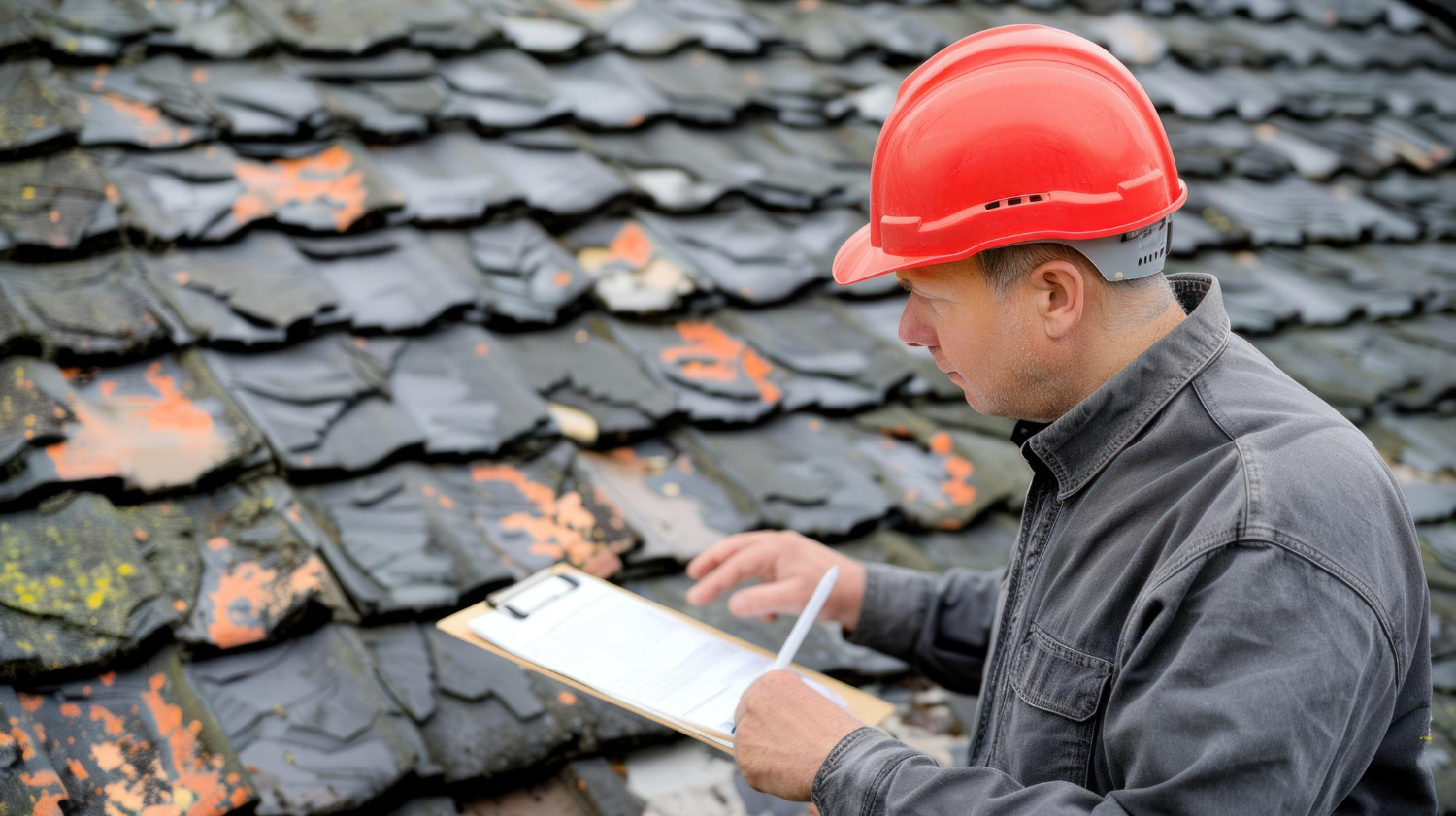
For asphalt shingle roofs, examine the visible condition of the roofing materials from a safe location
Look for:
- Missing shingles
- Cracked shingles
- Curling edges
- Lifted materials
- Loose shingles
- Bald areas
- Excessive granule loss
- Sections that appear uneven
A few damaged shingles do not automatically mean the entire roof needs replacement
However, damaged roofing materials can create vulnerable areas where moisture may reach the underlayment or roof decking
Pay attention to whether damage is isolated or appears across several slopes
One isolated problem may be repairable
Widespread deterioration may require a more comprehensive evaluation
Do not climb onto a steep, wet, icy, or damaged roof to inspect the materials yourself
Many visible conditions can initially be evaluated from the ground or through a professional inspection
Inspect Roof Flashing Before Cold Weather
Flashing protects some of the most vulnerable areas of a roofing system
You may find flashing around:
- Chimneys
- Walls
- Skylights
- Dormers
- Vent pipes
- Roof penetrations
- Valleys
Damaged flashing can allow water to enter even when the surrounding shingles still look good
Signs of possible problems may include:
- Loose metal
- Lifted sections
- Corrosion
- Gaps
- Failed sealant
- Visible movement
- Previous patching
Flashing problems should be addressed based on their cause
Repeatedly applying surface sealant is not always the correct long-term solution if the flashing itself is damaged or incorrectly installed
If winter roof maintenance identifies a flashing problem, it is often better to investigate it before snow, freezing rain, and cold temperatures limit repair options
Clean Gutters and Check Roof Drainage
Gutters and drainage systems help move water away from the roof edge and building
When gutters become clogged with leaves, branches, roofing granules, and other debris, water may not drain as intended
Before winter, inspect:
- Gutters
- Downspouts
- Roof drainage points
- Roof edges
- Areas where water commonly collects
Make sure downspouts are not obviously blocked
You should also look for gutters that are:
- Loose
- Sagging
- Pulling away from the building
- Damaged
- Overflowing during rainfall
Gutter maintenance is an important part of the Winter Roofing Checklist because drainage problems may contribute to moisture exposure around roof edges and other vulnerable areas
If your property requires more extensive drainage improvements, Wallenpaupack Roofers also provides seamless gutter installation and replacement
Inspect Roof Valleys Carefully
Roof valleys are important drainage areas because water from multiple roof slopes may move through the same channel
During winter roof preparation, inspect visible valleys for:
- Debris buildup
- Damaged shingles
- Deteriorated materials
- Previous repairs
- Loose components
- Signs of water intrusion
Valley problems can sometimes create leaks that appear far from the actual exterior defect
If a valley has already been repaired several times or shows widespread deterioration, professional evaluation may be appropriate before winter
Look for Existing Roof Leaks Before Winter Arrives
Do not wait until a winter storm to investigate a leak that already exists
Check the interior of the home for possible warning signs such as:
- Ceiling stains
- Wall discoloration
- Peeling paint
- Bubbling drywall
- Damp attic insulation
- Darkened decking
- Musty odors
- Moisture near chimneys
- Moisture near roof penetrations
A leak that appears minor during light rain can become more problematic under different weather conditions
The visible stain may also not be directly beneath the source of water entry
Water can move along decking, framing, insulation, or other building materials before becoming visible
If you are already experiencing water intrusion, professional roof repair services can help determine whether the issue is isolated or part of a larger roofing problem
Check the Attic for Moisture
The attic can reveal roofing and ventilation problems that are difficult to see from outside
When accessible and safe, look for:
- Damp insulation
- Moisture stains
- Darkened roof decking
- Water tracks
- Condensation
- Musty odors
- Visible mold-like growth
- Rusted fasteners
- Previous leak marks
Attic moisture does not always come from an exterior roof leak
Ventilation, air leakage, indoor humidity, and insulation conditions can also influence attic moisture
That is why diagnosis matters
A roofing contractor should consider both the exterior roof and interior attic conditions rather than assuming that every damp area has the same cause
Review Attic Insulation and Ventilation
Roofing and attic performance are closely connected
During winter roof maintenance, it is worth checking whether the attic shows signs of poor airflow or moisture accumulation
Potential warning signs may include:
- Condensation
- Damp insulation
- Uneven snow melting
- Moisture near the roof deck
- Musty attic conditions
- Significant temperature differences
Proper ventilation generally involves a balance between intake and exhaust
Adding one vent without evaluating the complete system is not necessarily an effective solution
If your attic has ventilation concerns, professional roof ventilation solutions can help evaluate airflow as part of the roofing system
Insulation and ventilation should work together
Poor attic conditions can affect comfort, moisture, and roof performance during the colder months
Check Chimneys, Skylights, and Roof Penetrations
Any object that passes through the roofing system creates a potential transition point
This includes:
- Chimneys
- Skylights
- Plumbing vents
- Exhaust vents
- Other penetrations
During a pre-winter roof inspection, look for visible deterioration around these areas
Questions to consider include:
- Is flashing secure?
- Are materials cracked?
- Are there visible gaps?
- Has sealant failed?
- Are nearby shingles damaged?
- Are there signs of interior moisture?
If a skylight area has been leaking, do not automatically assume the glass or skylight unit itself is the only problem
Flashing, seals, surrounding roofing materials, and drainage may all need inspection
For dedicated skylight issues, homeowners can review skylight installation and repair options
Check for Storm Damage Before Winter
Fall storms can damage roofing materials shortly before colder weather arrives
Inspect the property after significant wind or storm events
Potential signs include:
- Missing shingles
- Lifted roofing materials
- Creased shingles
- Broken branches on the roof
- Damaged flashing
- Exposed underlayment
- Gutter damage
- Damaged vents
- Debris impact
Storm damage does not always require a complete roof replacement
A limited area may be repairable when the surrounding roofing system remains healthy
However, leaving storm damage unresolved before winter can increase the chance of moisture intrusion during later weather events
If severe weather has affected the roof, a professional storm damage repair assessment can help determine the appropriate repair scope
Look for Weak or Damaged Roof Decking
Roof decking provides the structural surface beneath the roofing materials
Some decking problems can be identified from the attic
Possible warning signs include:
- Darkened wood
- Soft areas
- Sagging
- Deterioration
- Previous water damage
Other areas may remain hidden beneath shingles and underlayment
Weak or damaged decking matters because roofing materials require a stable surface
Installing new materials over deteriorated decking does not correct the underlying structural issue
If sagging or significant roof movement is visible, professional evaluation should be arranged rather than treating it as a cosmetic problem
Understand Ice Dam Risk Without Offering Snow Removal
Ice dams can develop when snow melts higher on the roof and then refreezes near colder roof edges
The process is influenced by several factors, including:
- Heat movement from the building
- Attic insulation
- Air leakage
- Roof temperature
- Exterior conditions
A Winter Roofing Checklist should therefore include attic insulation and ventilation rather than focusing only on the visible roof
Homeowners should not climb onto a snow-covered or icy roof
The goal is to reduce contributing conditions where possible and identify roofing vulnerabilities before winter
Because Wallenpaupack Roofers does not provide Roof Snow Removal, the article should not claim that the company removes snow from roofs
Instead, homeowners should monitor their property safely from the ground and contact an appropriate professional if dangerous winter conditions develop
Review Previous Roof Repairs
Before winter, think about the roofing problems you have experienced during the previous year
Ask:
- Did the roof leak recently?
- Was flashing repaired?
- Were shingles replaced?
- Did a storm cause damage?
- Did the same area need more than one repair?
- Are interior stains returning?
- Was temporary emergency work completed but never permanently repaired?
Previous repair areas deserve extra attention
A repair that solved the problem should remain stable
Repeated failures in the same area may indicate a larger underlying issue
If the roof has required numerous repairs in several locations, it may be worth comparing continued repairs with the condition and expected remaining life of the roofing system
When Winter Roof Preparation Reveals a Bigger Problem
A pre-winter inspection may reveal that the roof needs more than routine maintenance
Potential concerns include:
- Recurring leaks
- Widespread shingle deterioration
- Significant decking damage
- Sagging roof sections
- Multiple flashing failures
- Large storm-damaged areas
- Numerous recent repairs
- Advanced material deterioration
These conditions do not automatically mean replacement is required
However, they should be evaluated carefully
If several parts of the roofing system are deteriorating at the same time, homeowners may need to compare repairs with professional roof replacement options
The goal should be to choose the solution based on the actual condition of the roof rather than waiting until winter creates an emergency
Residential Winter Roofing Checklist
Residential roofs often contain numerous transitions and penetrations
A useful residential checklist includes:
Roofing Materials
Check shingles or other materials for visible deterioration
Flashing
Inspect chimney, skylight, wall, valley, and vent flashing
Gutters
Remove debris and make sure water can drain
Attic
Look for moisture, condensation, or wet insulation
Ventilation
Check for obvious airflow or moisture problems
Interior Ceilings
Watch for new or recurring water stains
Roof Penetrations
Inspect vents and other areas where materials pass through the roof
Previous Repairs
Make sure previously repaired areas remain stable
Storm Damage
Check the property after severe weather
A residential winter inspection is especially important when a roof already has known vulnerabilities
Commercial Winter Roofing Checklist
Commercial roofing systems may have different winter preparation needs
Many commercial buildings use low-slope roofing where drainage and membrane condition are especially important
Property managers should consider:
- Roof membrane condition
- Seams
- Flashing
- Drains
- Scuppers
- Roof penetrations
- HVAC equipment areas
- Ponding water
- Roof edges
- Previous repair areas
- Interior ceiling stains
Drainage is particularly important
Water that remains on a low-slope roof can expose vulnerable seams and penetrations for longer periods
Commercial properties may also contain more rooftop equipment, increasing the number of areas that need inspection
Building owners who need broader roofing support can review commercial roofing services for low-slope and business roofing systems
What Should Be Included in a Pre-Winter Roof Inspection?
A professional pre-winter roof inspection should provide a clear picture of the current roof condition
Depending on accessibility and property type, the inspection may evaluate:
- Roofing materials
- Flashing
- Valleys
- Roof edges
- Penetrations
- Chimneys
- Skylights
- Gutters
- Drainage
- Attic moisture
- Ventilation
- Visible decking concerns
- Previous repairs
- Storm damage
The contractor should be able to distinguish between:
- Routine maintenance
- A localized repair
- A condition that needs monitoring
- A larger roofing problem
A good inspection should help homeowners make informed decisions before winter rather than creating unnecessary urgency
Complete Winter Roofing Checklist
Use this checklist before winter arrives
Exterior Roof
- Check for missing roofing materials
- Look for cracked or lifted shingles
- Check visible granule loss
- Inspect roof valleys
- Check roof edges
- Look for storm damage
Flashing and Penetrations
- Inspect chimney flashing
- Inspect skylight flashing
- Check vent pipes
- Check wall transitions
- Look for visible gaps
Drainage
- Clear gutters
- Check downspouts
- Inspect drainage points
- Check for gutter damage
Attic
- Look for moisture
- Inspect insulation
- Check for condensation
- Look for water stains
- Check visible decking
Ventilation
- Look for obvious blocked ventilation
- Check attic moisture
- Review intake and exhaust conditions
Interior
- Look for ceiling stains
- Check walls for moisture
- Watch for peeling paint
- Monitor musty odors
Repair History
- Review previous leaks
- Check repaired flashing
- Inspect previous storm damage
- Follow up on temporary repairs
Professional Evaluation
- Schedule inspection if you are unsure about the roof condition
- Repair known problems before severe winter weather
- Document roof condition when appropriate
This complete Winter Roofing Checklist can be used each fall to help keep roof maintenance more organized
What to Do During a Winter Roof Leak
Even with preparation, roofing problems can still occur during winter
If water begins entering the building:
- Move valuables away from the affected area
- Use containers to control dripping water
- Protect floors and furniture where possible
- Avoid wet electrical fixtures
- Do not climb onto an icy or snow-covered roof
- Photograph visible damage
- Contact a roofing professional if the leak is significant or active
Temporary measures may control interior damage, but they do not necessarily correct the exterior roof problem
If a winter storm creates active water intrusion or major roofing damage, emergency roofing services may be appropriate
What to Check After a Winter Storm
After severe winter weather, inspect the property from a safe location
Look for:
- Missing materials
- New ceiling stains
- Gutter damage
- Flashing movement
- Fallen branches
- Debris impact
- Water around roof penetrations
- New attic moisture
Do not walk on a snow-covered, icy, or visibly damaged roof
If new damage appears, document the condition and arrange an appropriate roofing assessment
How Often Should You Perform Winter Roof Maintenance?
There is no single schedule that applies to every property
The appropriate inspection and maintenance frequency depends on:
- Roof age
- Material type
- Previous leaks
- Storm exposure
- Tree coverage
- Property type
- Previous repairs
A newer roof with no history of problems may need different attention from an older roofing system that has already required multiple repairs
The important point is consistency
Regular observation can help homeowners identify changes before they become significant interior problems
Local Winter Roofing Support From Wallenpaupack Roofers
Preparing a roof for winter is easier when potential weaknesses are identified before severe weather begins
Wallenpaupack Roofers provides roofing services throughout Northeast Pennsylvania, including roof inspections, repairs, replacement, ventilation solutions, storm damage services, emergency roofing, commercial roofing, and other roof-related services
Property owners in Hawley, Greentown, Lake Wallenpaupack, Wayne County, and surrounding areas can have their roofing systems evaluated before winter when they are concerned about leaks, flashing, storm damage, aging materials, attic moisture, or previous roof repairs
You can also view recent roofing projects and company updates by following Wallenpaupack Roofers on Instagram
The objective should be to identify real roofing problems and correct them before winter conditions make them more difficult to manage
Winter Roofing Checklist for Northeast Pennsylvania
Properties in Northeast Pennsylvania may experience rain, freezing conditions, snow, wind, storms, and repeated seasonal temperature changes
That makes fall a useful time for roof evaluation
A practical Winter Roofing Checklist for the region should prioritize:
- Roofing material condition
- Flashing
- Drainage
- Roof valleys
- Attic moisture
- Ventilation
- Existing leaks
- Previous storm damage
- Previous repairs
Winter roof preparation is not about assuming every roof needs major work
It is about identifying weaknesses early and taking action when a repair is actually needed
Final Thoughts
A complete Winter Roofing Checklist should examine much more than the visible surface of the roof
Shingles, flashing, gutters, drainage, attic conditions, ventilation, roof valleys, penetrations, previous repairs, and signs of water intrusion all influence how well the roofing system can perform through winter
Start before severe weather arrives
Schedule a roof inspection before winter when you are unsure about the condition of the system Address active leaks and damaged materials, keep drainage paths clear, review attic moisture and ventilation, and check previous repair areas
For Pennsylvania property owners, proactive winter roof maintenance can provide more time to solve manageable problems before cold weather turns them into urgent roofing issues
The goal is not unnecessary replacement
The goal is a roof that is inspected, maintained, and ready for the conditions ahead
Frequently Asked Questions
What should be included in a Winter Roofing Checklist?
A winter checklist should include shingles or roofing materials, flashing, valleys, gutters, drainage, attic moisture, insulation, ventilation, roof penetrations, previous repairs, storm damage, and interior signs of leakage
When should I schedule a roof inspection before winter?
It is generally best to inspect the roof before severe winter weather begins, giving enough time to identify and repair problems before cold conditions make roofing work more difficult
Why is winter roof preparation important?
Winter preparation helps identify leaks, damaged materials, flashing problems, drainage concerns, attic moisture, and other weaknesses before harsh weather exposes them further
Should I clean my gutters before winter?
Yes Removing leaves and debris helps gutters and downspouts drain water properly and reduces the chance of drainage problems around the roof edge
What should I check in my attic before winter?
Look for moisture, damp insulation, water stains, darkened decking, condensation, musty odors, and other evidence of moisture or ventilation problems
Can poor ventilation affect my roof during winter?
Yes Attic ventilation can influence moisture and temperature conditions Ventilation should be evaluated together with insulation and air movement rather than as an isolated component
Does every roof leak require roof replacement?
No Many leaks can be repaired when the damage is localized Replacement may become more appropriate when damage is widespread or several roofing components are failing
How can I tell if my roof has storm damage?
Look for missing or lifted roofing materials, damaged flashing, gutter damage, fallen debris, exposed underlayment, new leaks, or other visible changes after severe weather
Should commercial roofs be inspected before winter?
Yes Commercial roofs may require inspection of membranes, seams, drains, scuppers, penetrations, HVAC areas, roof edges, and previous repair locations before winter
Does Wallenpaupack Roofers provide roof snow removal?
No Wallenpaupack Roofers does not offer roof snow removal services Homeowners should avoid climbing onto icy or snow-covered roofs and use an appropriate service provider when snow removal is required