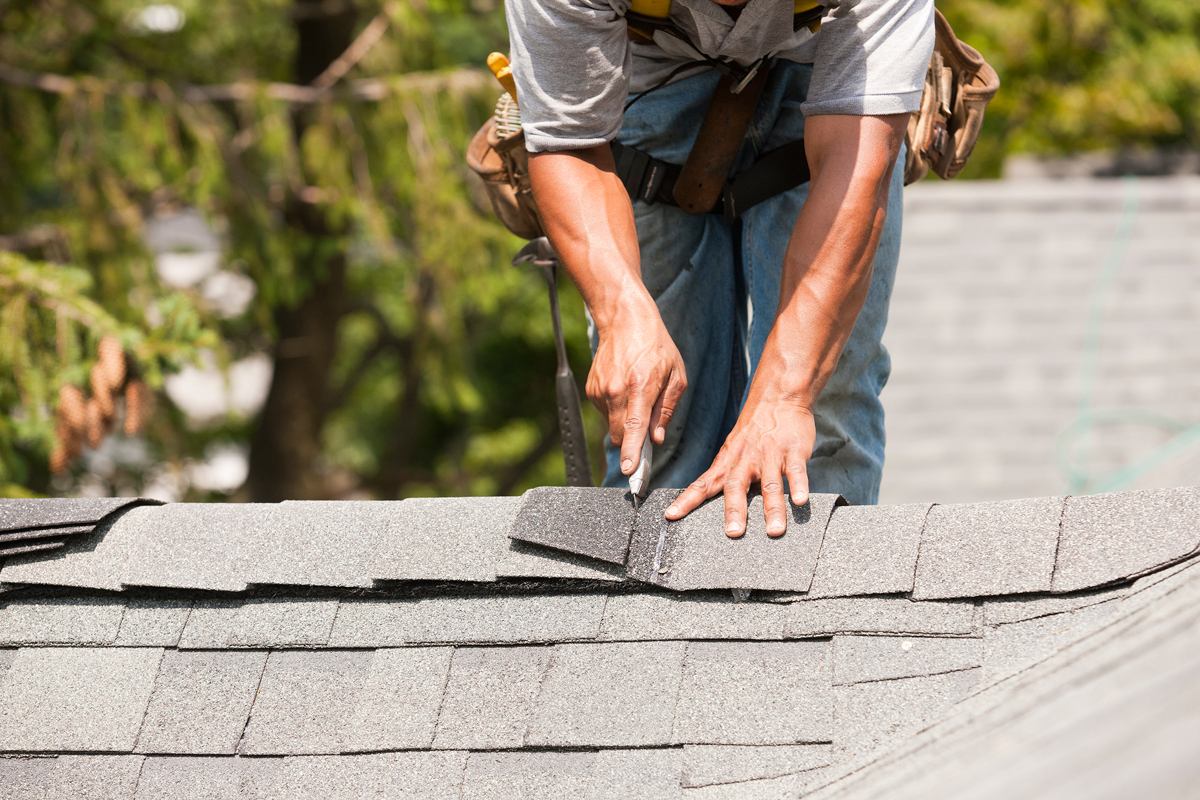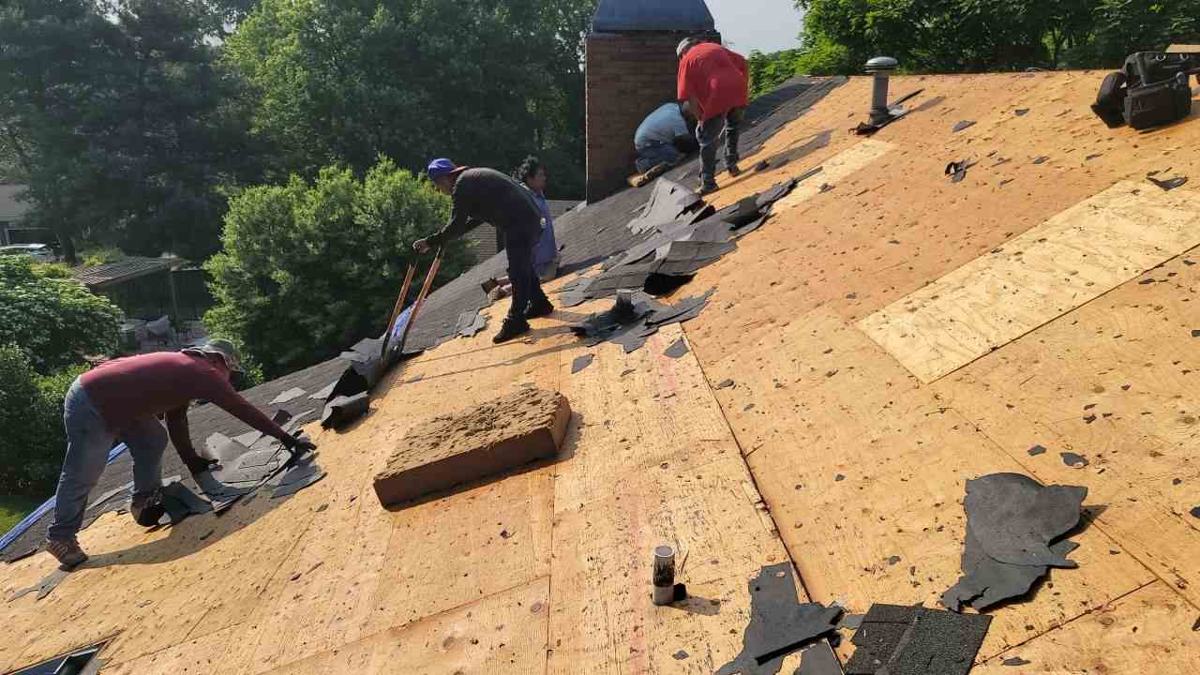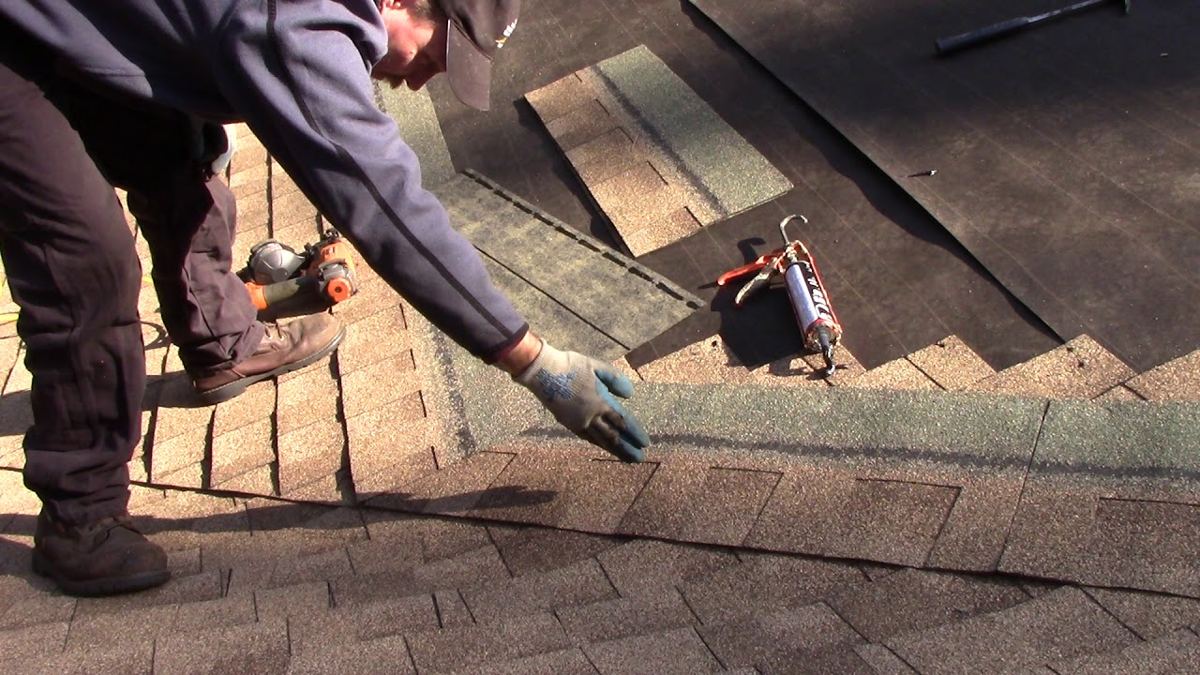
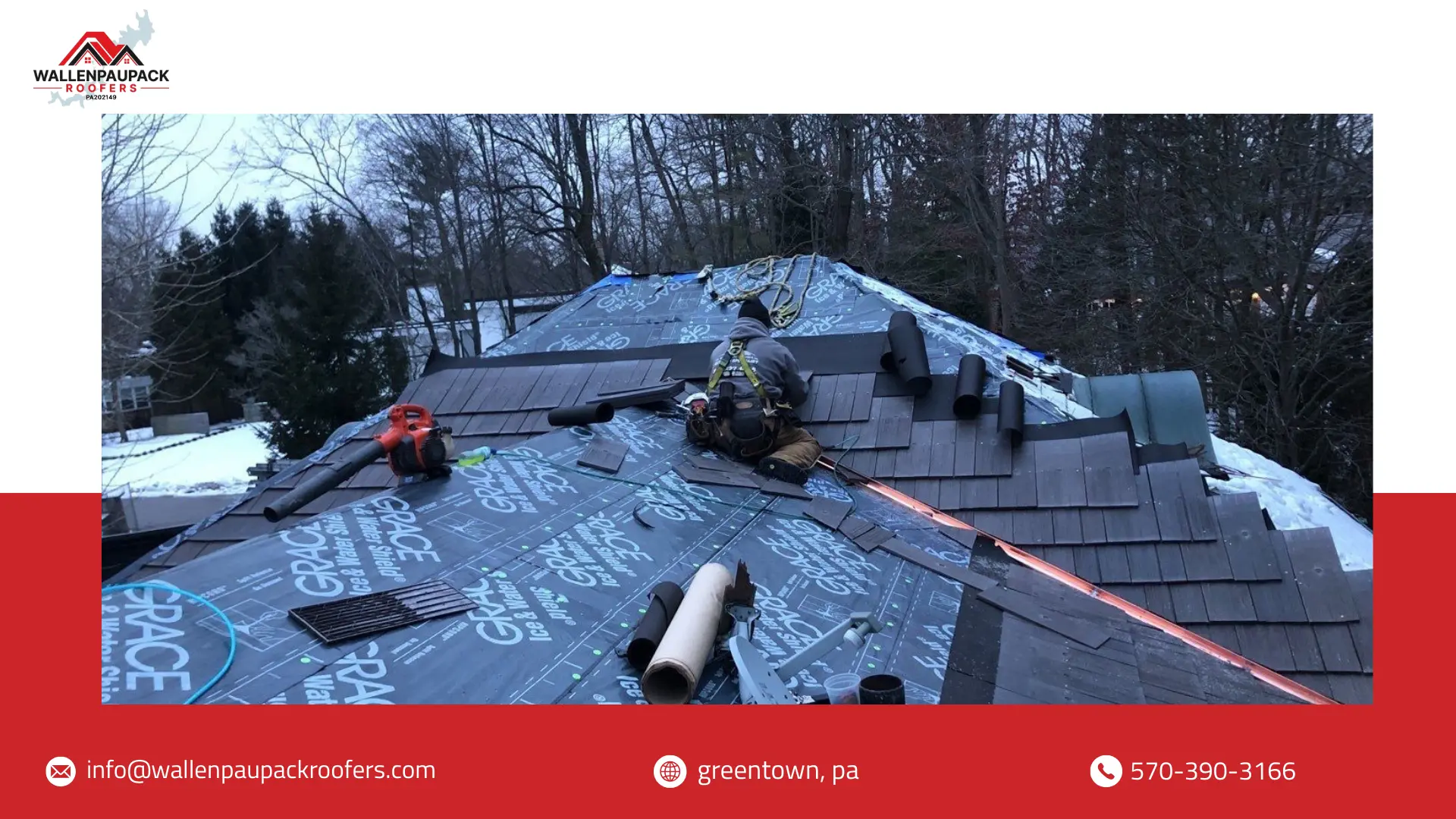
Winter Roof Replacement is possible in some situations, but the decision should not be reduced to a simple yes-or-no answer Cold temperatures, frost, snow, wind, roofing material requirements, roof condition, and worker safety can all influence whether a particular day is suitable for replacing a roof
For homeowners in Greentown, Hawley, Lake Wallenpaupack, Wayne County, Pike County, and surrounding Northeast Pennsylvania communities, winter can also create situations where waiting several months is not necessarily the best option A roof with widespread deterioration, recurring leaks, storm damage, or significant material loss may need more than temporary repairs even when temperatures are low
At the same time, a roof that remains serviceable may be better scheduled for a more favorable weather window rather than forcing a replacement during ice, snow, or sustained extreme cold
Industry guidance supports this more careful approach The Asphalt Roofing Manufacturers Association explains that asphalt shingles become less flexible as temperatures decrease and recommends following the specific manufacturer’s cold-weather installation instructions ARMA also advises waiting until roof surfaces are free of ice and frost before shingle application because winter roof surfaces can be hazardous
So the right question is not simply, can you replace a roof in winter?
The better question is whether Winter Roof Replacement can be completed safely and according to the requirements of the roofing system on your specific property
Call us today to schedule your fast and safe Winter Roof Replacement Services in Greentown, PA!
Winter Roof Replacement Is Possible, but Conditions Matter
Roofing work does not automatically stop when the calendar reaches December
Manufacturers and industry organizations provide cold-weather installation guidance because roofing projects sometimes do occur during colder months GAF, for example, states that its shingles are recommended for installation at temperatures of at least 40°F, while also explaining that installation below that temperature can occur when required cold-weather precautions are followed
That does not mean 40°F is a universal minimum for every roofing product
Different manufacturers, shingles, membranes, adhesives, sealants, and systems can have different requirements ARMA specifically recommends referring to the roofing manufacturer’s instructions for cold-weather installation temperatures and procedures
A professional decision about roof replacement in winter therefore needs to consider three things together:
- Is the roof surface safe to work on?
- Can the selected roofing materials be installed correctly?
- Is there a suitable weather window to protect the building during tear-off and installation?
If one of those conditions is not met, delaying the work may be the better choice
The Roof Surface Has to Be Safe Before the Material Question Even Matters
Cold weather creates a safety issue that is separate from roofing performance
Ice and frost can be difficult to see, particularly on sloped roof surfaces ARMA specifically warns that winter roofs may contain nearly invisible ice or frost and recommends waiting until those surfaces are clear before shingle application
Snow, freezing rain, strong wind, and wet roof decking can create additional challenges
This means Winter Roof Replacement should never be approached as:
“The roof is damaged, so the crew has to work regardless of weather”
Weather windows matter
A contractor may need to delay installation for a day or adjust the project schedule when roof conditions are unsafe
That delay is not necessarily a sign that the project is being handled poorly In some cases, refusing to work on an unsafe roof is the more responsible decision
Asphalt Shingles Behave Differently in Cold Weather
Asphalt shingles are one of the most common residential roofing materials, and cold temperatures affect how they should be handled
ARMA notes that asphalt shingles become less flexible as temperatures decrease Cold shingles may crack if they are bent aggressively, dropped, or handled incorrectly, particularly around valleys, hips, and ridge areas where material may need to flex
Cold weather can therefore influence:
- Material storage
- Handling
- Cutting
- Bending
- Fastening
- Valley work
- Ridge installation
- Sealing
This does not mean asphalt shingles cannot be used for cold weather roof replacement
It means installation needs to follow the exact product instructions rather than assuming summer installation practices can be used without modification
The Self-Sealing Strip Is Another Winter Consideration
Many asphalt shingles use a factory-applied sealant designed to bond after installation under suitable temperature and sunlight conditions
GAF notes that shingles installed during colder seasons may take longer to seal and, in some conditions, may not fully seal until warmer weather arrives The manufacturer also emphasizes proper fastening and following product-specific cold-weather instructions
That makes workmanship especially important during Winter Roof Replacement
The contractor should understand:
- How the specific shingle seals
- Whether manual sealing is required under certain conditions
- Correct fastening location
- Manufacturer cold-weather instructions
- How materials should be stored before installation
Homeowners should avoid contractors who make broad statements such as “cold temperatures do not matter at all”
They do matter
They simply do not make every winter roofing project impossible
Cold Weather Roof Replacement Should Follow the Product, Not a Generic Rule
One of the biggest mistakes in winter roofing advice is giving one universal minimum temperature
There isn’t one number that applies to every roofing system
GAF’s current guidance for its shingles recommends 40°F or warmer where possible, while ARMA tells contractors to follow each manufacturer’s installation requirements because asphalt products and application instructions can vary
That distinction is useful when comparing estimates
If a contractor recommends a cold weather roof replacement, ask:
- What exact roofing material will be installed?
- What does its manufacturer require?
- Does the forecast fit those requirements?
- How will shingles or other materials be stored?
- Are additional cold-weather procedures necessary?
The answer should be tied to the actual roofing product
A Winter Project Is Often About Finding the Right Weather Window
Winter does not mean identical conditions every day
One week may include snow and sustained freezing temperatures, while another may provide a dry period with milder daytime conditions
GAF describes winter roof replacement as technically possible but dependent on timing, conditions, and the tradeoffs involved in proceeding during colder weather
A contractor may therefore schedule work around a favorable weather window rather than simply selecting a calendar date months in advance and proceeding regardless of conditions
Weather planning may consider:
- Temperature
- Roof-surface temperature
- Precipitation
- Wind
- Frost
- Snow
- Daylight
- Expected overnight conditions
For homeowners planning ahead rather than dealing with an immediate replacement need, the Winter Roofing Checklist can help identify roof, flashing, drainage, and attic concerns before more severe winter conditions arrive
Winter Roof Replacement Is Different From Winter Roof Repair
A leak in January does not automatically mean the entire roof needs replacement
Some winter problems can be corrected with targeted repairs
A localized flashing failure, small area of storm damage, or limited shingle problem may remain a repair candidate if the rest of the roofing system is in suitable condition
Other situations may involve widespread deterioration that cannot reasonably be corrected with another patch
The decision should begin with roof condition
If the immediate problem appears repairable, Winter Roof Repair in Pennsylvania explains how localized winter roofing problems can be evaluated before larger work is considered
Winter Roof Replacement should be recommended because the roof needs replacement, not simply because a leak occurred during winter
When Waiting Until Spring May Be Reasonable
Not every aging roof needs to be replaced immediately during winter
Waiting for more favorable conditions may make sense when:
- The roof remains serviceable
- There is no active significant water intrusion
- Localized repairs can safely control a problem
- Roofing materials or installation requirements favor warmer conditions
- Persistent snow or ice prevents safe access
- The forecast does not provide an appropriate installation window
In those situations, a contractor may recommend monitoring the roof, completing targeted repairs when appropriate, and scheduling replacement when conditions improve
A professional Roof Inspection & Maintenance evaluation can help determine whether waiting is reasonable based on the actual condition of the roofing system
The goal is not to delay every winter project
It is to avoid forcing replacement when the roof does not require immediate replacement and conditions are poor
When Waiting Several Months May Be the Bigger Risk
There are also circumstances where delaying replacement simply because it is winter may create additional problems
Examples can include:
- Widespread missing roofing materials
- Recurring leaks across several areas
- Extensive storm damage
- Significant deterioration
- Damaged roof decking
- Multiple failed flashing areas
- A roof that can no longer be repaired dependably
In these situations, the homeowner and roofing contractor need to compare the installation challenges of winter with the consequences of leaving a failing roof in place
The answer is property-specific
Winter Roof Replacement may become reasonable when the roof condition is serious enough and a suitable weather window allows the work to be completed according to material requirements
For broader information on deciding between repair and replacement, see Roof Replacement
Active Leaks Can Change the Timeline
A roof that is simply old creates one type of decision
A roof allowing substantial water into the building creates another
Water intrusion can affect:
- Insulation
- Ceilings
- Walls
- Interior finishes
- Roof decking
- Other building components
The first priority may still be temporary stabilization or repair rather than full replacement during active severe weather
Once the building is protected, the contractor can determine whether the roof remains repairable or whether broader replacement should be scheduled
If a roof has an active major leak, exposed roofing area, or significant storm damage, Emergency Roofing Services may be a more appropriate immediate starting point than assuming full tear-off can begin in unsafe weather
Tear-Off Creates a Temporary Exposure Risk
Every roof replacement involves a period when existing roofing materials are removed
That matters even more during unstable winter weather
The contractor needs to avoid opening more roof area than can be safely protected before changing conditions arrive
Project planning may therefore involve:
- Monitoring the forecast
- Limiting exposed roof sections
- Protecting materials
- Keeping the roof deck dry
- Adjusting sequencing
- Ensuring temporary protection is available if required
The point is simple:
Winter Roof Replacement requires careful control of exposure
A replacement project should not turn an aging but enclosed roof into an open building just before snow or freezing rain arrives
A Dry Roof Deck Still Matters in Winter
Roofing materials should not simply be installed over ice, frost, snow, or trapped moisture
GAF’s cold-weather guidance for certain roofing components emphasizes a clean, dry substrate and avoiding ice, frost, dew, or moisture during installation
Exact requirements vary by product, but the general principle is important
Cold weather roof replacement is not permission to ignore substrate conditions
The deck needs to be evaluated before roofing materials cover it
If tear-off reveals wet, damaged, or deteriorated decking, that condition needs to be addressed as part of the project rather than hidden beneath the new roof
Roofing Material Choice Can Affect Winter Planning
Different roofing materials have different installation characteristics
A homeowner considering Winter Roof Replacement may be comparing:
- Architectural asphalt shingles
- Metal roofing
- Composite materials
- Other approved roofing systems
The installation requirements should come from the specific manufacturer and system
For asphalt shingles, cold-weather flexibility and sealing deserve particular attention
For other materials, the contractor should be able to explain the manufacturer’s requirements for temperature, substrate, attachment, sealants, and weather exposure rather than assuming one set of winter rules applies to everything
If you’re still deciding which roof material fits the property, Best Roofing Materials for Pennsylvania Homes provides a broader comparison
Metal Roofing and Winter Replacement
Metal roofing can also be part of a winter replacement discussion, but it should not be marketed as automatically unaffected by cold weather
Metal roof systems still require proper:
- Attachment
- Flashing
- Underlayment
- Roof-deck preparation
- Penetration detailing
- Snow planning
- Manufacturer compliance
Unlike asphalt shingles, the project does not depend on asphalt shingle self-sealing strips, but other system-specific details and installation materials may still have temperature or weather requirements
The contractor should follow the selected manufacturer’s technical instructions rather than assuming “metal can always be installed in any temperature”
That keeps the decision tied to the actual roof system
Winter Roofing in Pennsylvania Requires Snow Planning Too
Replacing a roof is not only about getting the new material installed
The completed system will immediately return to winter exposure
Depending on the roof, planning may need to consider:
- Snow movement
- Gutters
- Roof edges
- Valleys
- Attic ventilation
- Insulation
- Ice-dam-prone areas
Winter roofing in Pennsylvania should therefore look beyond installation day
If the old roof experienced recurring ice dams or attic moisture, those conditions should be investigated instead of reproducing the same roofing and attic configuration without review
A new roof can replace damaged materials, but it does not automatically correct every insulation, air-sealing, ventilation, or building-envelope problem
Replacing the Roof Does Not Automatically Solve Ice Dams
Ice dams can involve interactions among snow, roof temperature, attic heat loss, insulation, air sealing, and ventilation
Installing new shingles does not necessarily eliminate those conditions
If a property repeatedly develops ice dams, the roof replacement conversation should include whether attic or roof-assembly conditions also deserve attention
Roofing work may address damaged roofing components and eave protection, while other qualified professionals may be needed for insulation or building-envelope improvements depending on the property
This is another reason Winter Roof Replacement should be treated as a complete building decision instead of simply changing the visible roofing material
Winter Projects Can Take Longer Without Anything Being “Wrong”
Homeowners should be cautious about universal promises such as:
“Every winter roof takes one to three days”
The timeline can depend on:
- Roof size
- Complexity
- Material
- Tear-off
- Deck repairs
- Weather
- Daylight
- Temperature
- Snow or frost
- Building access
A contractor may pause when conditions become unsafe or incompatible with installation requirements
That can extend the calendar duration even when the actual roofing work is being performed correctly
The more useful question is not:
“How many days will it take?”
It is:
“How will weather affect scheduling, and what happens if conditions change during the project?”
Is Winter Roof Replacement More Expensive?
It should not be assumed that every winter project automatically costs more
Project pricing depends on many factors, including:
- Roof area
- Material
- Roof complexity
- Tear-off
- Deck repairs
- Flashing
- Access
- Weather-related scheduling
- Labor
- Disposal
Cold-weather procedures or scheduling challenges can affect some projects, but there is no universal winter surcharge that applies to every roof
A property-specific estimate is more useful than assuming a percentage based on the season
The Decision Is Easier When You Separate Urgency From Convenience
A useful way to think about Winter Roof Replacement is to place the roof into one of three situations
The Roof Is Stable and Replacement Is Planned
If replacement is being planned because of age but the roof remains functional, scheduling can prioritize favorable weather
The Roof Has Repairable Winter Damage
Localized repair may protect the property until replacement is scheduled later
The Roof Is Failing Across Multiple Areas
If the roof can no longer provide dependable protection, delaying several months may create a larger risk Replacement may need to be considered when an appropriate weather window is available
This framework avoids assuming winter means either “replace immediately” or “always wait until spring”
A Winter Replacement Decision Matrix
| Roof Condition | Winter Decision to Discuss |
| Aging but currently serviceable | Consider scheduling for favorable conditions |
| One localized leak | Evaluate repair first |
| Limited storm damage | Determine whether targeted repair is practical |
| Multiple recurring leaks | Compare repair with replacement |
| Widespread material failure | Winter replacement may deserve consideration |
| Snow or ice covering the roof | Wait for safe roof access |
| Persistent extreme cold | Follow material requirements and consider delay |
| Suitable dry, milder weather window | Replacement may be possible |
| Significant deck damage | Broader replacement may be necessary |
| Active major water intrusion | Stabilize first, then determine permanent solution |
This is not a universal roofing rule
It is a way to organize the conversation around actual conditions
What Should You Ask Before Approving a Winter Roof Replacement?
Instead of asking only whether the company “works in winter,” ask questions that reveal how the project will actually be handled:
- What condition makes replacement necessary now?
- Could the roof be repaired safely until warmer weather?
- What exact roofing material will be installed?
- What are the manufacturer’s cold-weather requirements?
- How will the materials be stored?
- What happens if ice or frost develops?
- How will the roof be protected during tear-off?
- What forecast conditions are required before work begins?
- How are schedule delays handled?
- What happens if damaged decking is found?
- How will shingle sealing be handled in cold temperatures?
- What warranty requirements apply?
Clear answers are more useful than promises that winter installation is “no problem”
Local Winter Roof Replacement Planning
Wallenpaupack Roofers provides roof replacement, repair, inspection, storm damage, and other roofing services throughout Northeast Pennsylvania The site’s current Roof Replacement service includes assessment of the existing roofing system and consideration of repair versus replacement based on roof condition
For homeowners considering Winter Roof Replacement, the first decision should be whether replacement is actually necessary during winter or whether the roof can safely remain in service until a better installation period
When replacement is needed, the project should then be planned around the roofing system, weather window, substrate conditions, and manufacturer installation requirements
You can also view recent roofing projects and company updates through Wallenpaupack Roofers on Instagram
The objective is not to replace roofs in winter simply because it is technically possible
It is to choose the timing that makes sense for the condition of the property
Winter Roof Replacement Should Be a Condition-Based Decision
Winter Roof Replacement can be completed under appropriate conditions, but winter changes the planning
Cold temperatures can make asphalt shingles less flexible
Self-sealing shingles may take longer to seal when temperatures remain low
Ice and frost can make roof surfaces unsafe
Manufacturer-specific installation requirements still apply
Weather windows matter
So does the condition of the existing roof
A roof that is functioning reasonably well may be scheduled for a more favorable season
A localized leak may need repair instead of replacement
A severely deteriorated roof may need Winter Roof Replacement when safe conditions and product requirements allow the work to proceed
There is no single calendar rule that fits every property
The best decision comes from balancing roof condition, installation requirements, safety, weather, and the consequences of waiting
That is the most useful answer to the question can you replace a roof in winter?
Yes, sometimes
But the fact that it can be done does not automatically mean it should be done on every roof or during every winter weather condition
Frequently Asked Questions
Can you replace a roof in winter?
Yes, roof replacement in winter can be possible when weather conditions are safe and the roofing materials can be installed according to manufacturer requirements The decision should be based on the specific roof, product, temperature, and forecast
Is Winter Roof Replacement safe?
It can be performed safely under suitable conditions, but ice, frost, snow, strong wind, and slippery surfaces can make roofing hazardous Work should be delayed when the roof cannot be accessed safely
Can asphalt shingles be installed during cold weather?
Yes, in some conditions Asphalt shingles become less flexible as temperatures decrease, so cold-weather handling, fastening, sealing, storage, and manufacturer instructions require additional attention
Do asphalt shingles seal immediately during winter?
Not always Self-sealing shingles may take longer to seal when temperatures and sunlight are insufficient, so manufacturer cold-weather procedures should be followed
Is roof replacement in winter always more expensive?
No Cost depends on roof size, materials, complexity, tear-off, repairs, labor, access, and project conditions Some winter projects may involve additional scheduling or handling considerations, but there is no universal winter surcharge
How long does Winter Roof Replacement take?
There is no fixed timeline Roof size, complexity, material, weather, daylight, deck repairs, snow, frost, and other conditions can affect the project schedule
Should I wait until spring to replace my roof?
It depends on the roof’s condition If the roof remains serviceable, waiting for more favorable weather may be reasonable Widespread leaks, severe deterioration, or significant damage can make earlier replacement worth evaluating
Can a roof leak be repaired instead of replaced during winter?
Often, localized winter roof damage can be repaired when the surrounding roofing system remains serviceable An inspection should determine whether targeted repair or broader replacement is appropriate
Does a new roof prevent ice dams?
Not automatically Ice dams can also involve insulation, air leakage, roof temperature, ventilation, and roof design Replacing roofing materials alone may not correct every condition contributing to ice-dam formation
What should I ask a contractor before a cold weather roof replacement?
Ask about roof condition, manufacturer cold-weather requirements, material storage, safe working conditions, weather delays, tear-off protection, roof-deck condition, shingle sealing, and what happens if the forecast changes
Contact us today to schedule your winter roof replacement and protect your home from future storm damage.