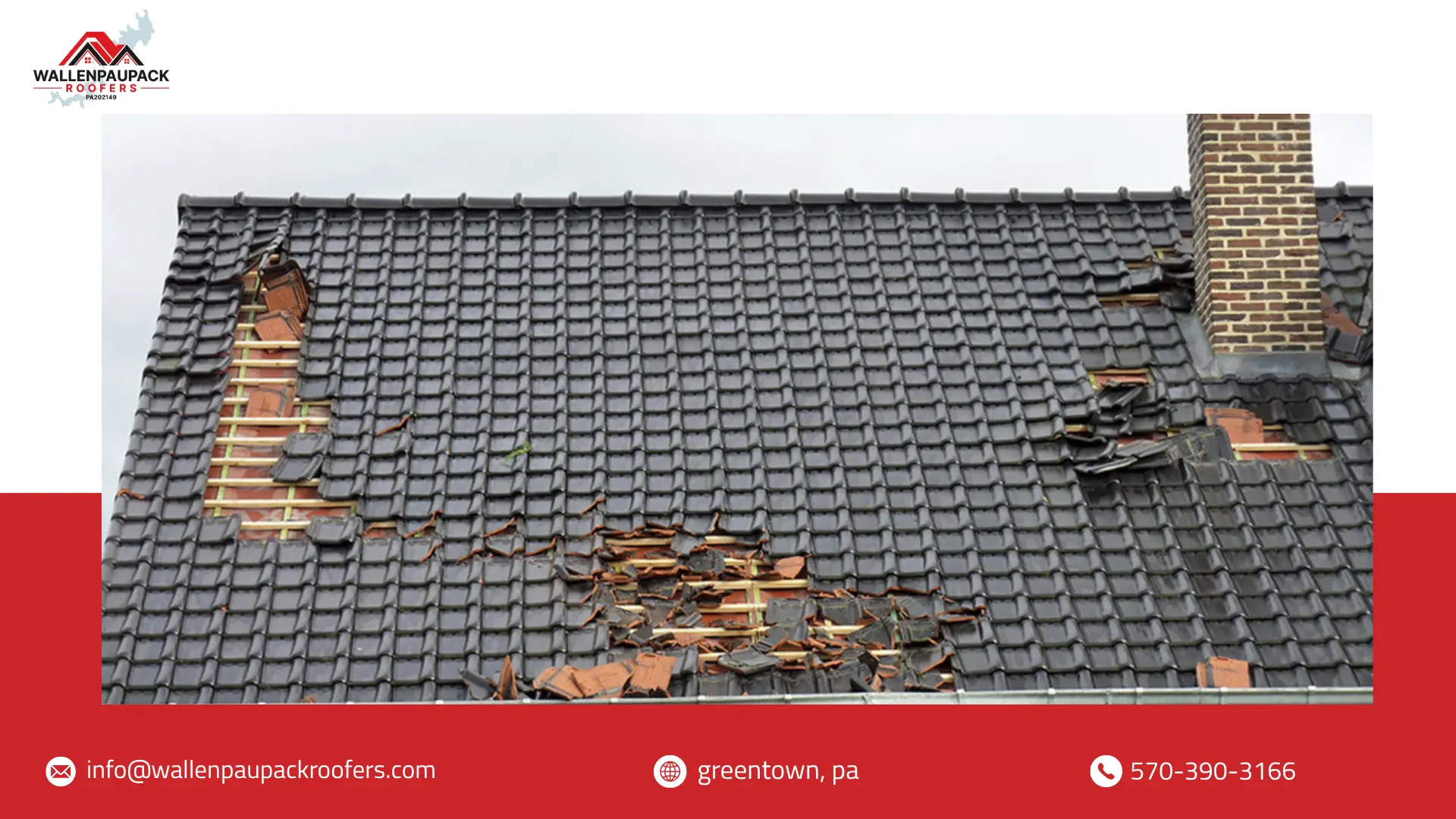
Roof damage after strong winds, hail, falling branches, or severe weather can leave homeowners unsure about what to do first Should you call a roofing contractor, contact your insurance company, make temporary repairs, or wait for an adjuster?
Understanding Roof Insurance Claims can make that process easier The goal is not to assume that every damaged roof will be covered Insurance policies vary, deductibles differ, exclusions may apply, and the insurance company ultimately determines whether a loss is covered under the terms of the policy
For Pennsylvania homeowners, a good claims process starts with understanding the damage, documenting what happened, reviewing the policy, contacting the insurer, and avoiding permanent work before the insurance company has had an opportunity to evaluate the loss when required
This guide explains how Roof Insurance Claims generally work, how to document roof damage, what role a roofing contractor can play, how deductibles and coverage affect the claim, and what homeowners should watch for after a storm
The information here is general educational guidance and does not replace the terms of your insurance policy or advice from your insurer, agent, licensed public adjuster, or attorney The Pennsylvania Insurance Department specifically notes that policies vary and that homeowners should consult their agent or insurance company regarding specific coverage questions
What Are Roof Insurance Claims?
Roof Insurance Claims are requests submitted to an insurance company after a roof experiences damage that may be covered under a homeowners or commercial property insurance policy
Submitting a claim does not automatically mean the insurer will pay for a repair or replacement
Coverage can depend on factors such as:
- Cause of the roof damage
- Policy language
- Covered perils
- Exclusions
- Deductible
- Coverage limits
- Age and condition of the roof
- Type of settlement provided by the policy
- Documentation of the loss
Pennsylvania’s homeowners insurance guidance emphasizes that the policy itself is the controlling contract and that coverage depends on the specific terms and limitations of that policy
That distinction is important because a roof damaged suddenly by a covered event may be handled differently from deterioration associated with age, maintenance, or long-term wear
Start With a Safe Roof Assessment
After a severe storm, do not immediately climb onto the roof
Wind, rain, damaged shingles, loose decking, wet surfaces, and structural damage can make roof access unsafe
Instead, inspect the property from the ground and look for visible signs such as:
- Missing shingles
- Lifted shingles
- Fallen branches
- Damaged flashing
- Gutter damage
- Debris on the roof
- Exposed roofing materials
- Interior water stains
- Active leaks
- Attic moisture
If you are unsure about the condition of the roof, a professional roof inspection and maintenance assessment can help identify visible damage and determine whether the problem appears localized or widespread
The roofing inspection and the insurance decision are different processes A contractor can evaluate the physical condition of the roof, while the insurance company determines whether the policy provides coverage for the loss
Document Roof Damage Before Making Major Changes
Documentation is one of the most important parts of Roof Insurance Claims
The Pennsylvania Insurance Department recommends photographing or recording damage before cleanup or temporary repair work whenever possible It also advises homeowners to contact their insurer promptly and provide the information needed to evaluate the loss
Useful documentation may include:
- Exterior roof photographs
- Missing shingles
- Damaged flashing
- Fallen trees or branches
- Gutter damage
- Interior ceiling stains
- Wet drywall
- Attic moisture
- Damaged personal property
- Date of the storm or event
- Notes about when the damage was discovered
Take wide photographs that show the general area as well as closer photographs of individual damage
If conditions are unsafe, do not climb onto the roof simply to collect photographs
A roofing professional may be able to safely inspect areas that cannot be evaluated from the ground
Contact Your Insurance Company Promptly
Once damage has been documented, contact your insurance company or agent and report the loss according to their instructions
The Pennsylvania Insurance Department advises property owners to contact their insurance company as soon as possible after storm damage and to keep track of the people they speak with and the dates of those conversations
When speaking with the insurer, consider asking:
- What information do you need from me?
- What does my policy say about this type of damage?
- What deductible applies?
- Will an adjuster inspect the roof?
- Can I make temporary repairs?
- Should I obtain contractor estimates?
- What documentation should I keep?
- Is there anything I should avoid doing before the inspection?
Do not rely on assumptions about coverage
Ask the insurer directly and keep important communication and claim documents organized
Roof Insurance Claims After Storm Damage
A storm damage insurance claim may involve several types of roof damage
Potential storm-related problems can include:
- Wind-lifted shingles
- Missing shingles
- Impact damage
- Damaged flashing
- Fallen tree limbs
- Exposed underlayment
- Roof penetrations
- Gutter damage
- Interior water intrusion
Not every storm creates the same type or extent of damage
A professional storm damage repair assessment can help identify roofing problems following severe weather and establish whether the roof appears to need a localized repair or broader work
The contractor should document the condition of the roof accurately rather than making promises about whether the insurance company will approve the claim
The insurer makes the coverage determination
Temporary Repairs vs Permanent Roof Repairs
After significant damage, homeowners generally have a responsibility to take reasonable steps to reduce additional damage
Pennsylvania’s Insurance Department advises homeowners to document the loss first and then make necessary temporary repairs to prevent further damage It also advises against making permanent repairs before the insurance company has had an opportunity to inspect and approve the work when required
Temporary measures may include work intended to:
- Reduce active water entry
- Protect an exposed area
- Prevent additional interior damage
- Stabilize a damaged section
If active water intrusion or major storm damage creates an urgent situation, emergency roofing services may be appropriate
Ask the roofing contractor whether the work being performed is temporary stabilization or the permanent repair
Also ask your insurance company what documentation it needs before permanent work begins
Save Receipts and Records
Keep records of expenses related to the damage
The Pennsylvania Insurance Department recommends saving receipts associated with repairs and other storm-related costs because they may be relevant to the insurance claim
Create a simple claim folder containing:
- Claim number
- Policy information
- Photographs
- Videos
- Contractor estimates
- Inspection reports
- Receipts
- Temporary repair invoices
- Emails
- Notes from phone calls
- Adjuster information
- Insurance company correspondence
Good organization does not guarantee approval, but it can make it easier to provide requested information during the claim process
What Does a Roofing Contractor Do During an Insurance Claim?
A roofing contractor and an insurance adjuster have different roles
A roofer may help by:
- Inspecting visible roof damage
- Identifying damaged roofing components
- Photographing roof conditions
- Explaining repair options
- Preparing a roofing estimate
- Identifying possible hidden damage during work
- Completing approved roofing repairs
A roofing contractor should not promise a specific insurance settlement
The Pennsylvania Insurance Department has specifically warned homeowners about contractors who claim they can maximize insurance payouts or use high-pressure tactics after storms Homeowners are encouraged to verify contractor credentials and carefully review paperwork before signing
When considering professional roof repairs, the roofing recommendation should be based on the actual roof condition rather than on what someone assumes the insurer will pay
What Does the Insurance Adjuster Do?
After a roof insurance claim is opened, the insurance company may assign an adjuster or another representative to evaluate the loss
The adjuster may review:
- Cause of damage
- Visible roof condition
- Interior damage
- Photographs
- Contractor documentation
- Repair estimates
- Policy terms
- Applicable deductible
The roofing contractor and insurance adjuster may evaluate the same roof from different perspectives
The roofer focuses on the physical roofing work required
The insurer evaluates the claim under the insurance contract
Homeowners should ask questions when something in the claim process is unclear Pennsylvania’s Insurance Department specifically encourages consumers to seek clarification rather than agreeing to something they do not understand
Understanding Your Roof Insurance Deductible
One of the most important parts of Roof Insurance Claims is the deductible
A deductible is generally the amount the policyholder is responsible for paying before covered insurance benefits apply
The Pennsylvania Insurance Department notes that deductibles may be fixed amounts or, in some situations, percentage-based amounts depending on the policy
For example, a policy could have different deductible structures for certain types of losses
Do not assume your deductible based on someone else’s policy
Review your declarations page or contact your insurer and ask:
- What deductible applies to this loss?
- Is it a fixed dollar amount or percentage?
- Are there separate wind or hail provisions?
- How does the deductible affect the claim payment?
Understanding the deductible before approving roofing work can help prevent unexpected financial surprises
Replacement Cost vs Actual Cash Value
Another important part of roof damage insurance is understanding how the policy values covered property
Two terms homeowners may encounter are replacement cost and actual cash value
The Pennsylvania Insurance Department defines replacement cost generally as the amount needed to repair or replace damaged property with similar materials without deducting depreciation Actual cash value generally reflects replacement cost minus depreciation for factors such as age and wear
The exact settlement method depends on the policy
If you see terms such as:
- Replacement Cost Value
- Actual Cash Value
- Depreciation
- Recoverable Depreciation
ask the insurance company to explain how those terms apply to your particular claim
Do not assume that a contractor estimate will equal the final insurance payment
Does Insurance Pay for a Full Roof Replacement?
Not automatically
Some Roof Insurance Claims may result in approval for localized repair, while others may involve more extensive roofing work
The outcome depends on the damage and policy
A roof may have:
- One damaged area
- Several damaged slopes
- Flashing damage
- Damaged decking
- Extensive storm impact
- Widespread roofing material failure
A roofing contractor should determine what physical work is appropriate for the roof
If damage is extensive enough that replacement needs to be considered, homeowners can review professional roof replacement options
The insurance company still determines what portion, if any, is covered under the policy
Repair vs Replacement During a Roof Insurance Claim
Not every roof insurance claim should automatically become a full replacement project
A localized repair may be reasonable when:
- Damage affects one small area
- Surrounding shingles remain functional
- Decking is stable
- Flashing damage is limited
- The roof has not suffered widespread storm damage
Replacement may require consideration when:
- Damage affects several slopes
- Roofing materials are widely compromised
- Decking is extensively damaged
- Multiple roofing components are affected
- Repair cannot reasonably restore the damaged sections
The physical repair decision and insurance coverage decision should remain separate
The contractor determines what roofing work is recommended based on condition
The insurer determines the covered portion of the loss
Compare Contractor Estimates Carefully
Pennsylvania’s Insurance Department advises homeowners to obtain multiple contractor bids when possible before agreeing to a settlement or major repair
When comparing estimates, look beyond the total price
Compare:
- Roofing materials
- Removal
- Disposal
- Underlayment
- Flashing
- Roof deck repairs
- Ventilation
- Property protection
- Cleanup
- Warranty
- Project scope
Two estimates may differ because the contractors are proposing different work
If one contractor identifies additional damage, ask them to explain why and provide documentation where possible
What If Hidden Roof Damage Is Found?
Some roofing damage is not visible until exterior materials are removed
Possible hidden conditions may include:
- Wet decking
- Soft decking
- Deteriorated wood
- Damaged underlayment
- Previous concealed repairs
- Moisture around penetrations
Before work begins, ask:
- What happens if hidden damage is discovered?
- Will photographs be taken?
- How will additional work be priced?
- Who needs to approve it?
- Should the insurer be contacted before additional work proceeds?
The contractor and homeowner should document unexpected conditions clearly
For insurance questions involving additional discovered damage, contact the insurance company and follow its instructions
Commercial Roof Insurance Claims
Commercial Roof Insurance Claims may involve different roofing systems and different documentation requirements than residential claims
Commercial roofs may include:
- Low-slope membranes
- Roof drains
- Scuppers
- HVAC penetrations
- Seams
- Flashing
- Large roof areas
- Mechanical equipment
Business owners should review their commercial property policy and contact the insurer regarding coverage questions
If physical roof damage requires professional evaluation, commercial roofing services can help identify the roofing work that may be required
The insurer remains responsible for determining coverage
What If Your Roof Insurance Claim Is Denied?
A denied claim does not necessarily mean you should immediately assume the decision is incorrect
First, determine why the claim was denied
Ask for the explanation and review:
- Policy wording
- Cause of damage
- Exclusions
- Deductible
- Documentation
- Inspection findings
The Pennsylvania Insurance Department advises policyholders with denied claims to review their policy and contact the insurer regarding questions or an appeal Consumers can also contact the Department’s Consumer Help Center if questions remain
Avoid relying solely on a contractor to interpret insurance policy language
Coverage questions should be directed to the insurer, agent, licensed public adjuster, attorney, or appropriate insurance authority
Do You Need a Public Adjuster?
A public adjuster is different from a roofing contractor
Pennsylvania defines a public adjuster as a professional hired by the policyholder to assist with negotiating an insurance claim Public adjusters are regulated and licensed by the state
You are not automatically required to hire one
If someone claims to be a public adjuster, verify their licensing before signing an agreement
A roofing contractor should focus on roofing inspection, damage documentation, estimating, repair, and replacement—not act as an unlicensed claims negotiator
Avoid Insurance and Roofing Scams After Storms
Storm-damaged communities can attract aggressive contractors
The Pennsylvania Insurance Department warns homeowners to be especially cautious after severe weather and recommends verifying that contractors are properly registered and insured
Potential warning signs include:
- Pressure to sign immediately
- Promises of guaranteed insurance approval
- Claims that the contractor can guarantee a maximum payout
- Blank contract sections
- Demands for full payment before completion
- Unclear business information
- Unwillingness to provide documentation
- Requests to sign paperwork you do not understand
Do not sign simply because someone says your insurance company will pay for everything
Coverage depends on the policy and the insurer’s claim decision
Questions to Ask Your Insurance Company
During Roof Insurance Claims, keep a list of questions
Consider asking:
- What coverage applies to this loss?
- What deductible applies?
- What documentation do you need?
- Will an adjuster inspect the roof?
- Can temporary repairs be made now?
- Should permanent repairs wait?
- Do you need contractor estimates?
- How will depreciation be handled?
- Is the claim being settled on replacement cost or actual cash value?
- What should I do if additional damage is discovered?
- How will I receive claim updates?
- Who should I contact with questions?
Write down the answers and keep them with the claim records
Questions to Ask Your Roofing Contractor
The roofing contractor should also be able to answer practical questions about the roof itself
Ask:
- What roof damage did you find?
- What caused the visible roofing problem?
- Is the damage localized or widespread?
- Is the roof deck affected?
- What repair is recommended?
- Is replacement actually necessary?
- What materials are included?
- What flashing work is required?
- Will you provide photographs?
- Is any work temporary?
- What happens if hidden damage appears?
- What warranty applies to the roofing work?
Clear explanations make it easier to understand whether the proposed roof insurance repair matches the physical condition of the roof
Keep Insurance Decisions and Roofing Decisions Separate
This is one of the most important principles in Roof Insurance Claims
A roofing contractor can tell you:
- What is damaged
- What roofing work is needed
- What materials are required
- What the estimated repair may cost
Your insurer determines:
- Whether the cause is covered
- What deductible applies
- What policy limits apply
- How depreciation is handled
- What amount will be paid
Keeping those roles clear protects the homeowner from unrealistic promises
Local Roof Damage Support From Wallenpaupack Roofers
When storm damage affects your roof, the first roofing decision should be understanding the condition of the property
Wallenpaupack Roofers provides roof inspection, repair, replacement, and storm-related roofing support in Northeast Pennsylvania The company’s site describes services involving roof inspections, leaks, storm damage, repairs, and replacement
A roofing assessment can document the physical condition of the roof and provide an estimate for appropriate work while leaving insurance coverage decisions to the insurer
You can also view recent company projects and updates through Wallenpaupack Roofers on Instagram
If your roof was damaged by a storm, focus first on safety, documentation, and accurate assessment rather than making assumptions about the final insurance outcome
Roof Insurance Claims in Pennsylvania — A Simple Step-by-Step Process
A practical Roof Insurance Claims process may look like this:
Step 1 — Stay Safe
Do not climb onto a damaged, wet, or unstable roof
Step 2 — Document Visible Damage
Take photographs and videos before cleanup or temporary work where safely possible Pennsylvania insurance guidance specifically recommends documenting the loss before repairs
Step 3 — Contact the Insurance Company
Report the loss and ask what documentation and next steps are required
Step 4 — Prevent Additional Damage
After documentation, take reasonable temporary steps when necessary to prevent the situation from worsening, following insurer instructions
Step 5 — Arrange a Roofing Inspection
Have the physical roof damage evaluated
Step 6 — Obtain a Detailed Estimate
The estimate should explain roofing materials, labor, repair scope, and any known damaged components
Step 7 — Cooperate With the Adjuster
Provide requested documentation and ask questions when something is unclear
Step 8 — Review the Claim Decision
Understand the deductible, approved work, payment structure, and any depreciation
Step 9 — Complete Approved Roofing Work
Make sure the contractor and insurer are aligned on any required documentation before permanent repairs begin
Step 10 — Keep Final Records
Save contracts, photographs, invoices, warranties, receipts, and insurance correspondence
Common Roof Insurance Claim Mistakes to Avoid
Homeowners can make the claims process more difficult by moving too quickly or relying on assumptions
Avoid:
- Throwing away evidence before documenting damage
- Starting major permanent repairs without checking insurer requirements
- Assuming all storm damage is covered
- Ignoring the deductible
- Accepting vague contractor estimates
- Signing blank paperwork
- Trusting guaranteed payout promises
- Failing to save receipts
- Losing claim correspondence
- Confusing a contractor with an insurance adjuster
The Pennsylvania Insurance Department specifically recommends documentation, prompt communication with the insurer, careful contractor selection, and avoiding rushed settlements or suspicious contractors
Final Thoughts
Roof Insurance Claims can feel complicated because two separate questions must be answered at the same time
First:
What roofing damage actually occurred, and what work is necessary to repair it?
Second:
What portion of that loss is covered under the insurance policy?
A professional roofing inspection can help answer the first question
Your insurance company determines the second
For Pennsylvania homeowners, the safest approach is to document the damage, contact the insurer promptly, protect the property from additional damage, keep receipts, compare detailed roofing estimates, and carefully review the policy and claim decision These steps closely follow guidance from the Pennsylvania Insurance Department
Avoid contractors who guarantee insurance payouts or claim that every storm-damaged roof will be fully covered
A successful roof insurance claim should be built on accurate documentation, clear communication, and roofing work that reflects the real condition of the property
Frequently Asked Questions
What are Roof Insurance Claims?
Roof Insurance Claims are requests made to an insurance company after roof damage that may be covered under a property insurance policy The insurer evaluates the loss according to the policy terms
Does homeowners insurance always cover roof damage?
No Coverage depends on the cause of damage, policy terms, exclusions, deductible, limits, and the insurance company’s claim determination
What should I do first after storm damage to my roof?
Stay safe, document visible damage from a safe location, contact your insurance company, and follow its instructions regarding temporary repairs and inspections
Should I repair my roof before the insurance adjuster sees it?
Necessary temporary measures may be appropriate to prevent further damage, but homeowners should check with the insurer before making permanent repairs that could affect inspection or documentation
What should I photograph for a roof insurance claim?
Document visible exterior roof damage, missing materials, flashing problems, fallen debris, gutters, interior water stains, attic moisture, and other storm-related property damage
Does a roofing contractor decide whether insurance covers my roof?
No A roofing contractor evaluates the physical condition of the roof and recommends roofing work The insurance company determines coverage under the policy
What is a roof insurance deductible?
A deductible is the portion of a covered loss that the policyholder is responsible for paying according to the insurance policy
What is the difference between replacement cost and actual cash value?
Replacement cost generally does not deduct depreciation, while actual cash value generally accounts for depreciation due to age and wear The policy determines which method applies
Does a roof insurance claim always result in full roof replacement?
No Some claims involve localized repairs, while others may involve larger work The roofing condition and insurance policy both affect the final outcome
What should I do if my roof insurance claim is denied?
Ask the insurance company for the reason, review your policy and documentation, discuss any disagreement with the insurer, and contact the Pennsylvania Insurance Department or another qualified professional if additional help is needed