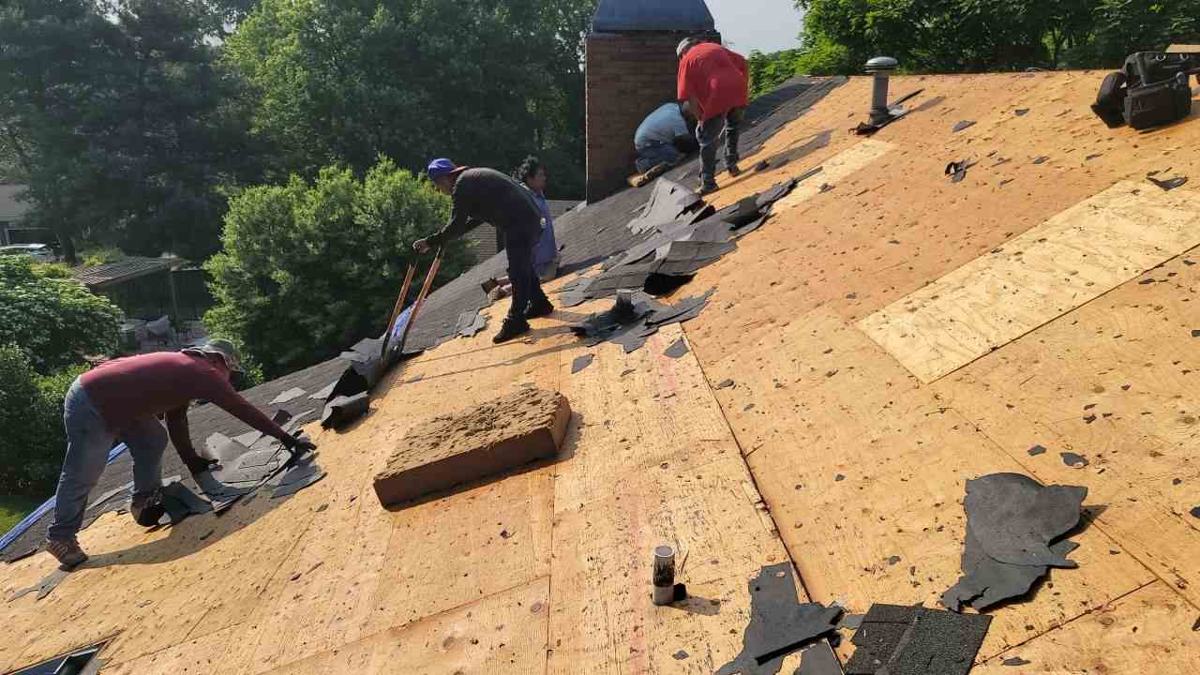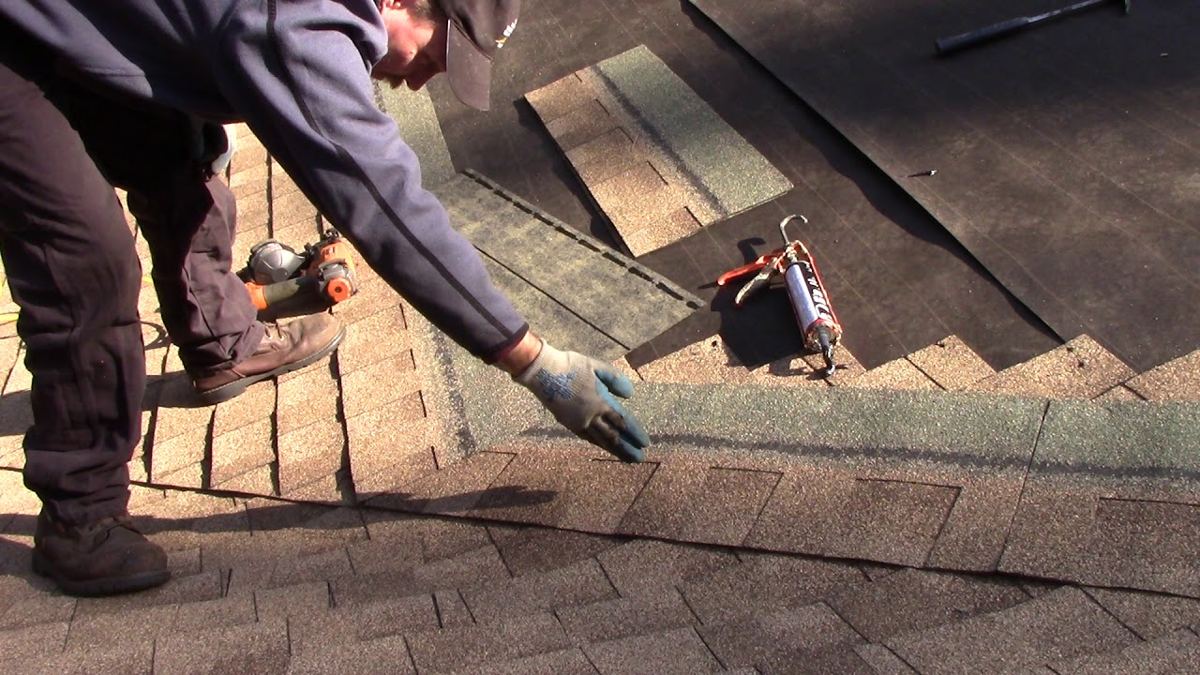

Signs of Storm Damage on a Roof are not always obvious immediately after severe weather Missing shingles or a fallen branch may be easy to notice, but lifted roofing materials, damaged flashing, hail impact, loosened vents, or moisture beneath the roof can be much harder to recognize from the ground
For homeowners in Greentown, Hawley, Lake Wallenpaupack, Wayne County, Pike County, Monroe County, and surrounding Northeast Pennsylvania communities, storms can expose both new roofing damage and weak areas that were already developing before the weather event
Wind can affect asphalt shingles and other roof components, while hail can damage roofing surfaces and accelerate loss of protective granules on asphalt shingles Research from the Insurance Institute for Business & Home Safety shows that both wind and hail can affect roof-covering performance, although the amount of damage depends on the roof, material, age, installation, and storm conditions
Knowing the Signs of Storm Damage on a Roof can help you decide when a roof deserves closer evaluation without assuming that every storm requires emergency repair or complete replacement
The key is to look for changes, document what you can safely see, and determine whether the roofing system is still protecting the property as intended
Storm Damage Can Be Visible, Hidden, or Delayed
Roof storm damage does not always appear in the same way
Some problems are immediately visible:
- Missing shingles
- Fallen branches
- Bent flashing
- Damaged gutters
- Roof punctures
Others may appear later:
- Ceiling stains
- Damp attic insulation
- Loose shingles
- Water around penetrations
- Moisture beneath damaged roofing materials
And some conditions require closer professional evaluation because they cannot be safely assessed from the ground
This is why a quick look from the driveway is useful, but it should not be treated as a complete roof inspection after significant weather
If there are warning signs or the storm was severe enough to raise concern, a professional Roof Inspection & Maintenance assessment can help determine whether the damage is localized, widespread, or unrelated to the storm
1 Missing or Displaced Shingles
Missing shingles are among the easiest Signs of Storm Damage on a Roof to identify
Strong wind can lift roofing materials or remove shingles entirely, leaving areas of underlayment or other roof components more exposed to rain
After a storm, look around the property for:
- Shingles in the yard
- Roofing pieces near downspouts
- Visibly empty roof sections
- Uneven shingle lines
- Tabs that appear lifted or displaced
Wind damage to roof materials can sometimes involve only one limited area, but nearby shingles should still be evaluated because the damage may extend beyond what is immediately visible
IBHS research has documented how severe wind events can damage asphalt-shingle roofs, with roof age and shingle performance among the factors affecting results
A missing shingle does not automatically mean the whole roof needs replacement
The next question is whether the surrounding materials remain secure and repairable
2 Unusual Granule Loss After Hail or Severe Weather
Asphalt shingles contain protective surface granules
Some gradual granule loss can occur as shingles age, so finding a small amount in a gutter does not automatically prove storm damage
The concern increases when you notice a clear change after a hailstorm or other severe weather
Possible hail damage signs include:
- New concentrations of granules in gutters
- Bare-looking areas on shingles
- Irregular impact patterns
- Other hail damage on nearby exterior components
IBHS research has found that hail exposure can remove granules from asphalt shingles and that repeated hail exposure can contribute to accelerated weathering
Granule loss should therefore be evaluated in context
The condition of the shingles before the storm, their age, location of the loss, and presence of other impact damage all matter
Importantly, granule loss by itself does not determine whether an insurance company will approve a claim
That decision belongs to the insurer and depends on the individual policy and claim circumstances
3 Dents, Cracks, or Impact Marks
Hail affects roofing materials differently depending on what is installed
On asphalt shingles, impact damage may be difficult to identify safely from the ground
On other exterior components, homeowners may notice:
- Dented gutters
- Dented metal vents
- Damage to downspouts
- Marks on flashing
- Exterior impact damage
These nearby surfaces can provide clues that hail reached the property, but they do not prove the exact condition of the roof
A storm damaged roof should be evaluated according to the roofing material rather than using one universal hail test
A metal roof, asphalt-shingle roof, slate roof, and commercial membrane roof can respond differently to impact
If visible storm damage is present across several exterior surfaces, professional Storm Damage Roof Repair evaluation can help determine whether the roof itself was affected
4 Lifted, Bent, or Displaced Flashing
Some of the most important Signs of Storm Damage on a Roof occur around transitions rather than across the middle of the roof
Flashing helps manage water around areas such as:
- Chimneys
- Skylights
- Roof vents
- Sidewalls
- Valleys
- Roof-to-wall intersections
Wind or falling debris can move flashing away from the surfaces it is intended to protect
Possible warning signs include:
- Bent metal
- Visible gaps
- Flashing pulled away from walls
- Missing sections
- New separation around penetrations
Damaged flashing deserves attention because even a relatively small opening can create a path for water during future rainfall
This is one reason storm inspections should evaluate transitions and penetrations rather than focusing only on shingles
5 Sagging, Dipping, or Noticeably Uneven Roof Areas
Sagging is different from ordinary surface damage
A roof area that suddenly appears lower, uneven, or distorted after a storm can indicate that the structure or roof deck deserves immediate professional evaluation
Possible causes may include:
- Heavy debris impact
- Tree damage
- Existing moisture damage
- Deck deterioration
- Structural movement
Do not climb onto an area that appears unstable
If the roof appears structurally affected or a large tree has struck the building, safety comes before roofing diagnosis
FEMA guidance on severe wind notes that high-wind events can damage roof coverings, roof decks, and other structural components
In situations involving significant structural change, Emergency Roofing Services may be appropriate once the property is safe to approach
6 New Water Stains on Ceilings or Walls
Interior moisture is one of the most important warning signs because it suggests water has already moved beyond the exterior roofing surface
Look for:
- New brown or yellow stains
- Damp drywall
- Peeling paint
- Water near exterior walls
- Moisture around chimneys
- Wet attic insulation
- Staining beneath roof penetrations
A water stain does not necessarily identify where the exterior opening is located
Water can travel along roof decking, framing, insulation, or other components before becoming visible inside
That is why the repair should focus on finding the actual source
If water intrusion is the main problem, review Roof Leak Repair for more information about tracing exterior roof leaks
7 Damaged Gutters or Drainage Components
Gutters are not the roof covering, but they can provide useful information after severe weather
Look for:
- Bent gutter sections
- Gutters pulled away from fascia
- Dented metal
- Broken hangers
- Large debris accumulation
- New concentrations of shingle granules
- Downspouts that have moved or become disconnected
Hail may leave visible dents in metal components, while wind and falling branches can physically damage the gutter system
A damaged gutter does not automatically prove that the roofing material above it was damaged
However, gutter damage combined with other Signs of Storm Damage on a Roof can justify a closer evaluation
Drainage should also remain functional because rainwater needs a clear path away from the roof and property
8 Tree Limbs or Other Debris Have Hit the Roof
Pennsylvania properties surrounded by trees can be particularly vulnerable to falling branches during strong winds
Debris impact may affect:
- Shingles
- Metal panels
- Flashing
- Roof vents
- Decking
- Gutters
- Skylights
The amount of damage depends on the size, weight, speed, and location of the impact
A small branch may leave limited surface damage
A large limb may affect the roof deck or structure below
FEMA identifies flying debris and fallen trees as significant hazards during severe wind events
If debris has made contact with the roof, do not assume that the absence of an obvious hole means no damage occurred
The contact area should be evaluated, especially if an interior leak appears afterward
9 Damaged Roof Vents, Pipe Boots, or Other Penetrations
Small roof components can become significant leak sources after severe weather
These may include:
- Plumbing vent boots
- Exhaust vents
- Attic vents
- Mechanical penetrations
- Small flashing assemblies
Possible storm-related problems include:
- Cracked components
- Loose caps
- Displaced flashing
- Separation from surrounding roofing material
- Impact damage
These areas can be difficult to see from ground level, which is why they are commonly included in professional post-storm inspections
If the main roofing surface looks intact but an interior leak appears around a bathroom, kitchen, mechanical area, or plumbing location, a roof penetration may deserve closer attention
10 Winter Leaks Associated With Ice Dams
Not all storm damage happens during thunderstorms or hail events
Winter weather can also expose roofing vulnerabilities
Ice dams can develop when snow melts on warmer roof areas and refreezes near colder roof edges, potentially interfering with normal drainage If water becomes trapped behind the ice, it can move beneath vulnerable roofing materials
Possible warning signs include:
- Interior stains near exterior walls
- Damp insulation
- Water appearing during freeze-thaw periods
- Roofing damage near the eaves
The important distinction is that ice removal and Ice Dam Roof Repair are separate issues
Wallenpaupack Roofers can evaluate roofing damage associated with ice dams, leaks, flashing, shingles, and other roof components Physical snow or ice removal should be handled by an appropriate qualified service provider
For a detailed explanation, see Ice Dam Roof Repair
Not Every Sign Has the Same Level of Urgency
One useful way to evaluate Signs of Storm Damage on a Roof is by what the condition means for the property right now
| Condition | Suggested Response |
| A few visible shingle changes but no leak | Schedule an inspection |
| Granules after hail with no other symptoms | Document and evaluate in context |
| Damaged flashing | Arrange prompt roof evaluation |
| Active interior leak | Address quickly and identify source |
| Fallen tree on roof | Prioritize safety and structural evaluation |
| Sagging roof section | Stay off roof and seek professional evaluation |
| Dented gutters after hail | Inspect roof for related impact |
| Damaged vents or pipe boots | Check for water intrusion |
| Ice-dam-related interior leak | Evaluate roofing damage and attic conditions |
| No visible damage after a major storm | Monitor roof and consider inspection if concern remains |
This avoids treating every minor observation as an emergency while still recognizing conditions that should not be ignored
How to Check for Roof Storm Damage Safely
Homeowners can perform a basic visual review without climbing onto the roof
Start at ground level
Look for:
- Roofing debris
- Missing shingles
- Damaged gutters
- Tree limbs
- Bent flashing that is visible from below
- Roof sections that look different from before the storm
Then inspect the interior when safe
Check ceilings and accessible attic areas for:
- New moisture
- Damp insulation
- Staining
- Dripping
- Changes around penetrations
Do not climb onto a wet, icy, damaged, or debris-covered roof
FEMA’s severe-weather guidance emphasizes avoiding hazards associated with damaged property, fallen trees, and power lines after wind events
Professional inspection can handle areas that cannot be evaluated safely from the ground
Photograph Changes Before Repairs Begin
If a storm may have damaged the property, document what you can safely see
Useful records can include:
- Wide property photos
- Missing shingles
- Damaged gutters
- Fallen branches
- Interior stains
- Water damage
- Temporary protective measures
The Pennsylvania Insurance Department advises consumers to document damage, contact their insurer promptly, keep receipts for necessary temporary repairs, and avoid rushing into permanent repairs before the insurer has had the opportunity to inspect when required
Documentation can help the homeowner, roofing contractor, and insurer understand what changed after the storm
Storm Inspection Does Not Automatically Mean Roof Replacement
Finding Signs of Storm Damage on a Roof does not automatically mean the roofing system needs complete replacement
Repair may be appropriate when:
- Damage is localized
- Surrounding materials remain serviceable
- Compatible replacement materials are available
- The roof deck remains sound
Larger work may be considered when:
- Damage affects multiple roof sections
- The existing roof already has widespread deterioration
- Water has affected broader areas
- Repairs cannot restore dependable protection
IBHS/RICOWI guidance emphasizes evaluating the actual condition of the roof and recognizing opportunities to repair weather-damaged roofs where appropriate rather than assuming replacement is always required
For localized problems, Roof Repairs may be appropriate
The scope should follow the condition
Storm Damage and Insurance Are Two Separate Decisions
This is one of the most important improvements to the old version of this article
Do not assume that every example of roof storm damage is automatically covered by homeowners insurance
Insurance coverage depends on factors such as:
- Individual policy terms
- Cause of loss
- Exclusions
- Deductible
- Coverage limits
- Insurer’s claim determination
The Pennsylvania Insurance Department recommends reviewing the individual policy because coverage varies and homeowners should understand applicable deductibles and exclusions before storms occur
A roofing contractor evaluates physical roof conditions
The insurance company determines whether a loss is covered
Those responsibilities should remain separate
What Should a Roofing Contractor Provide for a Storm Claim?
If a homeowner decides to file a claim, roofing documentation may include:
- Inspection findings
- Photographs
- Description of damaged roof components
- Repair scope
- Replacement recommendation when appropriate
- Roofing estimate
The roofing contractor should not guarantee that an insurance claim will be approved
For a detailed explanation of deductibles, documentation, adjusters, repair decisions, and insurance responsibilities, review Roof Insurance Claims
Be Careful After Widespread Storm Damage
Large storms can create urgency and attract contractors from outside the area
The Pennsylvania Insurance Department recommends comparing repair estimates where practical, verifying contractor information, avoiding pressure to sign immediately, and keeping documentation related to repairs and claims
Ask contractors questions such as:
- What specific roof damage did you find?
- Can you show me photographs?
- Which areas need repair?
- Why are you recommending replacement?
- What materials are included?
- What flashing work is required?
- What warranties apply?
- What happens if additional damage is found?
A roofing recommendation should be connected to actual conditions rather than fear about what might happen
Signs of Storm Damage on a Roof Can Reveal Older Problems Too
Not every defect discovered after a storm was necessarily caused by that storm
A storm inspection may reveal:
- Aging shingles
- Old flashing problems
- Previous repairs
- Existing moisture
- Worn pipe boots
- Drainage issues
The weather event may make those problems visible without being their original cause
A useful inspection should distinguish between:
new storm-related conditions and existing roof deterioration
This distinction can affect repair decisions and insurance conversations
What If the Roof Looks Fine From the Ground?
A roof that looks normal may still deserve monitoring after severe weather, particularly when other exterior surfaces show signs of impact
However, homeowners should also avoid assuming that every major storm creates hidden roof failure
Look for evidence
If there are no visible changes, no interior moisture, and no reason to suspect impact, continue normal roof monitoring
If hail damaged gutters or nearby exterior components, a large branch hit the roof, or water appears indoors later, professional evaluation becomes more useful
The purpose of knowing Signs of Storm Damage on a Roof is to recognize meaningful changes, not to create unnecessary alarm after every storm
Local Storm Damage Support in Northeast Pennsylvania
Wallenpaupack Roofers works with homeowners and commercial property owners throughout Greentown, Hawley, Lake Wallenpaupack, Wayne County, Pike County, Monroe County, and surrounding Northeast Pennsylvania communities
When roof storm damage is suspected, the priority should be identifying what changed and what roofing work is actually required
That may mean:
- Monitoring
- Targeted repair
- Flashing work
- Leak repair
- Storm damage repair
- Emergency evaluation
- Broader roof replacement planning
You can also view roofing projects and company updates through Wallenpaupack Roofers on Instagram
The correct response should always be based on roof condition rather than a generic storm-repair package
What Matters Most After You Notice Storm Damage
The most useful way to respond to Signs of Storm Damage on a Roof is to separate observation from diagnosis
A homeowner can notice:
- Missing shingles
- Hail marks
- Bent gutters
- Water stains
- Fallen branches
But the repair decision depends on understanding what those signs mean for the complete roofing system
Wind damage to roof materials may be localized
Hail damage signs may require closer inspection to distinguish storm impact from normal aging
Interior water may travel away from the original entry point
A storm damaged roof may need repair rather than replacement
And insurance coverage depends on the individual policy rather than simply the existence of damage
Start with safety, document meaningful changes, identify the source of any water intrusion, and let the actual roof condition determine the next step
That approach makes Signs of Storm Damage on a Roof useful warning information instead of a reason to assume the worst after every Pennsylvania storm
Frequently Asked Questions
What are the most common Signs of Storm Damage on a Roof?
Common warning signs include missing or displaced shingles, unusual granule loss, hail impact marks, damaged flashing, roof debris, damaged gutters, interior water stains, and problems around vents or penetrations
Can a roof have storm damage without leaking?
Yes Some storm-related damage may not create immediate water intrusion Lifted shingles, flashing damage, impact marks, or other conditions can exist before an interior leak becomes visible
What are common hail damage signs on asphalt shingles?
Possible hail damage signs include impact areas, unusual granule loss, and changes that appear after a hail event The roof should be evaluated in context because normal aging can also cause granule loss
What does wind damage to roof shingles look like?
Wind may remove, lift, crease, or displace shingles Roofing materials found on the ground or visible changes in shingle alignment can indicate that a closer roof evaluation is appropriate
Should I climb onto my roof after a storm?
No Wet, damaged, icy, or debris-covered roofs can be hazardous Homeowners can document visible conditions from the ground and use a roofing professional for closer evaluation
Does storm damage automatically mean I need a new roof?
No Localized damage may often be repairable when the surrounding roofing system remains serviceable Replacement becomes more relevant when damage or deterioration is widespread
Does homeowners insurance always cover roof storm damage?
No Coverage depends on the individual policy, cause of loss, exclusions, deductible, limits, and the insurance company’s claim decision
What should I photograph after a storm?
Document visible exterior damage, roofing debris, missing materials, damaged gutters, fallen branches, interior water stains, and other property changes that can be photographed safely
Can ice dams cause storm-related roof leaks?
Yes Ice dams can interfere with normal roof drainage and may contribute to water intrusion in vulnerable roof areas Ice removal and repairing roofing damage are separate services
When should a storm damaged roof be professionally inspected?
Consider an inspection when you notice active leaks, missing roofing materials, damaged flashing, tree impact, hail-related exterior damage, sagging, damaged penetrations, or other meaningful changes after severe weather
Wallenpaupack Roofers — Fast Storm Damage Response Across Northeast Pennsylvania