Winter roofing problems can develop quickly when an existing weak point is exposed to freezing temperatures, wind, rain, snow, ice, or repeated freeze-thaw conditions A loose shingle, small flashing defect, aging seal, blocked drainage area, or minor leak may remain unnoticed during mild weather and become much more obvious once winter arrives
That is why Winter Roof Repair in Pennsylvania should focus on identifying the real cause of the problem before choosing a repair A ceiling stain does not always mean the leak is directly above it, and a missing shingle does not automatically mean the entire roof needs replacement
For homeowners and property managers in Hawley, Greentown, Lake Wallenpaupack, Wayne County, Pike County, Monroe County, Lackawanna County, and surrounding Northeast Pennsylvania communities, understanding the difference between a manageable winter repair and a true roofing emergency can help prevent unnecessary damage and rushed decisions
This guide explains the most common types of winter roof damage, what signs deserve immediate attention, what homeowners should do during an active leak, when repairs can safely be completed, and when a larger roofing solution may need to be considered
Can Roof Repairs Be Done During Winter in Pennsylvania?
Yes, many roofing repairs can be completed during winter, but the specific repair depends on weather conditions, roof accessibility, material requirements, the type of damage, and whether the work can be performed safely
Winter does not automatically mean that every repair must wait until spring
Some problems are too important to ignore, especially when water is entering the building or roofing materials have been damaged by a storm
Common winter roofing issues may include:
- Missing shingles
- Loose roofing materials
- Flashing damage
- Roof leaks
- Water stains
- Storm damage
- Wind damage
- Damaged vent boots
- Valley problems
- Attic moisture
- Ice-related drainage problems
A professional contractor should evaluate whether the repair can be completed permanently under the current conditions or whether temporary stabilization is more appropriate until weather conditions improve
Homeowners who already know that part of their roof is damaged can review professional roof repair services to understand the types of localized roofing problems that may be addressed
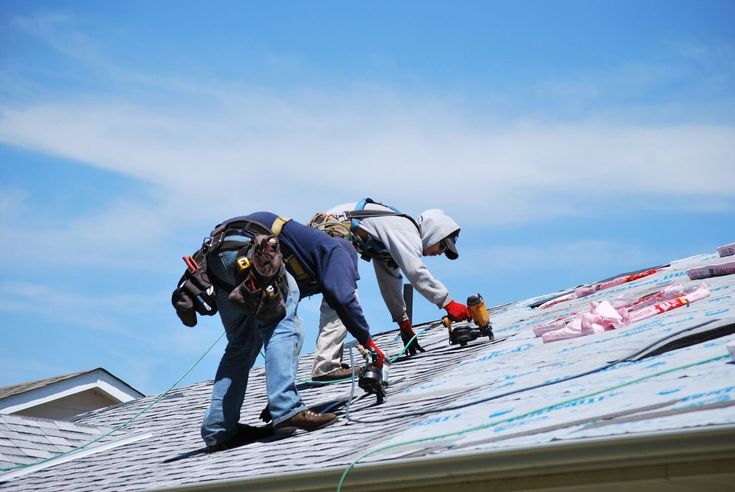
Why Winter Roof Damage Should Not Be Ignored
A small roofing problem does not always remain small
If water continues entering the roofing assembly, moisture can affect materials beyond the visible roof surface
Depending on the location and duration of the problem, water may reach:
- Underlayment
- Roof decking
- Insulation
- Rafters
- Ceiling materials
- Drywall
- Interior finishes
The purpose of acting early is not to create unnecessary urgency
It is to prevent repeated water exposure from increasing the scope of the repair
For example, replacing one damaged shingle may be relatively straightforward when the underlying materials are still dry and stable
The same exterior opening may become a more complicated repair if water has been entering for several weeks and has affected the decking underneath
Common Causes of Winter Roof Damage
Winter roof damage can develop for several reasons
Understanding the cause helps determine the correct repair
Wind-Damaged Shingles
Strong winds can lift, loosen, crack, crease, or remove roofing materials
A missing shingle may expose the roofing layers beneath it, while lifted shingles can allow wind-driven rain or melting moisture to enter
After significant wind, look for:
- Shingles in the yard
- Missing areas on the roof
- Uneven roofing sections
- Lifted edges
- New interior stains
If the damage followed a storm, a professional storm damage repair assessment may be more appropriate than treating the problem as normal wear
Damaged Flashing
Flashing protects vulnerable transitions around:
- Chimneys
- Skylights
- Vent pipes
- Walls
- Roof valleys
- Dormers
- Other roof penetrations
Loose or damaged flashing can become a major source of winter leaks even when the surrounding shingles remain in good condition
Existing Roof Leaks
A leak that started before winter may become more noticeable during changing weather conditions
Repeated freezing and thawing, wind-driven precipitation, or melting moisture can expose an existing weakness
Roof Valley Problems
Valleys collect and direct water from multiple roof slopes
Damaged materials, debris, poor drainage, or previous repairs in these areas may contribute to winter leakage
Roof Penetration Problems
Plumbing vents, exhaust vents, skylights, and other penetrations require seals or flashing details
These components can deteriorate and allow moisture to enter
Signs You Need Winter Roof Repair in Pennsylvania
Not every winter roofing issue is obvious from the ground
Pay attention to both exterior and interior warning signs
Water Stains on Ceilings
A new brown or yellow stain may indicate moisture intrusion
The visible stain may not be directly below the source because water can travel along framing, insulation, or decking
Damp Attic Insulation
Wet or damp insulation is a strong reason to investigate further
Look for moisture around:
- Roof penetrations
- Chimneys
- Valleys
- Exterior walls
- Previous leak areas
Missing or Damaged Roofing Materials
Check the property after winter wind or storms
Missing shingles or other roofing materials should not be ignored simply because the roof is not actively leaking yet
Peeling Paint or Bubbling Drywall
Interior finish damage may indicate that moisture has been present behind the surface
Musty Odors
Persistent musty conditions in an attic or upper floor may be associated with moisture and should be investigated
Visible Sagging
A visibly uneven or sagging roof section deserves prompt professional evaluation
It may indicate a problem deeper than the exterior roofing material
Roof Leak Repair in Winter
Roof leak repair in winter begins with finding where the water is actually entering
The ceiling stain tells you where water became visible inside the property, not necessarily where it entered the roof
A professional evaluation may involve inspecting:
- Shingles
- Flashing
- Valleys
- Chimneys
- Skylights
- Vent pipes
- Previous repair areas
- Roof edges
- Accessible attic areas
- Visible decking
If the leak is difficult to locate or has happened more than once, a professional roof inspection and maintenance assessment can help determine whether the problem is isolated or part of a larger pattern
The objective should be to repair the cause rather than repeatedly covering the visible symptom
What Should You Do If Your Roof Starts Leaking During Winter?
If water begins entering the property, the first priority is protecting people and the interior
Take practical steps such as:
- Move electronics and valuables away from the affected area
- Place containers beneath active dripping
- Protect furniture and flooring where possible
- Avoid touching wet electrical fixtures
- Photograph visible damage
- Do not climb onto an icy, wet, snow-covered, or visibly damaged roof
- Contact a roofing professional when the leak is active or significant
These steps may reduce interior damage, but they do not replace permanent roof repair
If the damage is significant or water is actively entering the building, emergency roofing services may be appropriate
When Is Winter Roof Damage an Emergency?
Not every roof problem requires emergency service
A small damaged shingle discovered during an inspection is different from active water entering several rooms
Emergency roof repair in winter may be appropriate when:
- Water is actively entering the property
- A large section of roofing material is missing
- Storm debris has created an opening
- A tree or branch has damaged the roof
- Water is near electrical systems
- Interior ceiling damage is spreading quickly
- The roof appears structurally unstable
- Significant wind damage has exposed roofing layers
The initial goal during a roofing emergency may be stabilization
A permanent repair can then be completed when the contractor has identified the source, assessed the damage, and determined that conditions allow the work to be performed safely
Emergency Roof Repair in Winter vs Regular Winter Repair
The difference is usually urgency rather than an entirely different roofing service
Regular winter repair may address:
- A small flashing defect
- One damaged shingle area
- Minor valley damage
- A small vent boot problem
- A localized leak
Emergency roof repair in winter may involve:
- Active water entry
- Severe storm damage
- Large openings
- Fallen debris
- Multiple missing roofing sections
- Immediate interior damage
The contractor should explain whether the proposed work is temporary stabilization or a permanent repair
That distinction is important because a temporary measure may prevent additional water entry but still require follow-up work later
Winter Storm Damage and Roof Repairs
Winter storms may involve wind, rain, freezing conditions, falling branches, and other factors that can affect roofing materials
After severe weather, inspect your property from a safe location
Look for:
- Missing shingles
- Loose materials
- Damaged flashing
- Fallen branches
- Gutter damage
- Exposed underlayment
- New ceiling stains
- Attic moisture
Do not assume that every visible storm problem requires roof replacement
Localized damage may still be repairable when the surrounding roofing system remains in good condition
The important question is how much of the roof has been affected
Can Ice Dams Cause Roof Leaks?
Ice-related drainage problems can contribute to winter leaks
An ice dam may develop when melting moisture reaches a colder roof edge and refreezes, creating a barrier that interferes with normal drainage
Water can then remain in vulnerable areas longer than intended
Potential contributing factors may include:
- Attic heat loss
- Air leakage
- Insulation issues
- Ventilation conditions
- Roof design
- Exterior weather conditions
Addressing only the visible ice does not necessarily solve the underlying building condition
If attic airflow appears to be part of the problem, professional roof ventilation solutions may help evaluate the roofing and attic system together
Homeowners should avoid walking on icy roofing surfaces
Winter Roof Repair and Attic Moisture
Not every winter moisture problem comes from an exterior leak
Attic condensation can sometimes create symptoms that homeowners mistake for roof leakage
Potential signs include:
- Moisture on the underside of decking
- Damp insulation
- Condensation around fasteners
- Musty odors
- Uneven moisture patterns
A contractor should determine whether moisture is entering through the roof or developing from conditions inside the attic
The distinction matters because repairing shingles will not solve an attic ventilation or moisture problem
Can Missing Shingles Be Repaired During Winter?
Missing shingles may sometimes be repaired during winter when conditions, materials, roof accessibility, and safety allow
The contractor should inspect:
- The number of missing shingles
- Surrounding material condition
- Underlayment
- Decking
- Wind damage
- Nearby flashing
A few missing shingles on an otherwise healthy roof may require localized repair
Widespread missing or deteriorated shingles may indicate a larger problem
Flashing Repair During Winter
Flashing problems are a common reason for localized leaks
Winter flashing repairs may involve areas around:
- Chimneys
- Walls
- Skylights
- Roof penetrations
- Dormers
- Valleys
The repair should address the condition of the flashing system rather than simply adding sealant to every visible gap
Surface sealants can deteriorate and may not correct flashing that is improperly installed, loose, damaged, or corroded
Residential Winter Roof Repair
Residential roofs often contain multiple slopes, valleys, penetrations, chimneys, skylights, and ventilation components
A residential winter roof assessment may therefore look at:
- Shingles
- Flashing
- Gutters
- Roof valleys
- Attic moisture
- Ventilation
- Skylights
- Plumbing vents
- Previous repairs
Homes with accessible attics may provide additional clues because the underside of the roof deck can sometimes be inspected for staining or moisture
Commercial Winter Roof Repair
Commercial roofing systems can present different winter problems
Many commercial buildings use low-slope roofing systems where drainage becomes particularly important
Potential problem areas include:
- Membranes
- Seams
- Roof drains
- Scuppers
- Flashing
- HVAC penetrations
- Roof edges
- Previous repair areas
- Interior ceiling stains
Business owners dealing with larger roofing systems can review commercial roofing services when the problem extends beyond one isolated repair
How Contractors Evaluate Winter Roof Damage
A professional assessment should identify both the visible damage and the surrounding roofing condition
The evaluation may include:
Roofing Materials
Are shingles or membrane materials cracked, loose, missing, or deteriorated?
Flashing
Are transitions around chimneys, walls, skylights, and penetrations secure?
Roof Deck
Is accessible decking dry and structurally stable?
Interior Evidence
Are there ceiling stains, attic moisture, or insulation problems?
Repair History
Has the same area been repaired before?
Storm Exposure
Did the damage develop after a recent storm or wind event?
Overall Roof Condition
Is this one isolated issue or part of widespread deterioration?
That last question often determines whether a localized repair is worthwhile
What Affects Winter Roof Repair Cost?
The cost of roof repair in Pennsylvania depends on the actual problem rather than the season alone
Important factors may include:
- Type of damage
- Size of affected area
- Roof material
- Roof height
- Roof pitch
- Accessibility
- Flashing complexity
- Deck damage
- Emergency stabilization
- Storm damage
- Hidden deterioration
A ceiling stain does not provide enough information to accurately determine repair cost
The exterior source and affected roofing materials need to be identified first
Temporary Repair vs Permanent Winter Roof Repair
In some situations, weather or safety conditions may limit what can be completed immediately
A contractor may recommend temporary stabilization until a permanent repair can be safely performed
Temporary work may be intended to:
- Reduce active water entry
- Protect exposed materials
- Stabilize storm damage
- Limit additional interior damage
Permanent work addresses the actual roofing defect
Homeowners should ask:
- Is this temporary or permanent?
- What follow-up work is needed?
- When should the area be inspected again?
- What roofing components were damaged?
- Are other areas at risk?
Clear communication helps prevent a temporary measure from being mistaken for the finished repair
Should You Wait Until Spring to Repair Your Roof?
It depends on the problem
A cosmetic concern or non-urgent maintenance item may be able to wait
An active leak, missing roofing material, storm opening, damaged flashing, or exposed roof deck should be evaluated sooner
Waiting is particularly risky when water is already entering the property
Instead of asking whether all roof work should wait until spring, ask:
- Is water entering now?
- Is the roof exposed?
- Could the damage spread?
- Can the area be safely repaired?
- Is temporary stabilization necessary?
A professional evaluation can help answer these questions based on the actual condition of the property
When Winter Roof Repair May Not Be Enough
Sometimes the inspection reveals that the problem is larger than one isolated repair
Examples may include:
- Repeated leaks
- Multiple damaged roof areas
- Widespread shingle deterioration
- Significant decking damage
- Sagging
- Multiple flashing failures
- Extensive storm damage
- Numerous recent repairs
In those situations, homeowners may need to compare continued repairs with roof replacement
Replacement should not be recommended simply because the roof leaks once
The decision should be based on the condition of the complete roofing system
Questions to Ask a Roofing Contractor About Winter Repairs
Before approving winter roofing work, ask questions such as:
- What caused the damage?
- Is the problem localized or widespread?
- Is water reaching the roof deck?
- Can this be repaired permanently now?
- Is temporary stabilization required?
- What materials need replacement?
- Is flashing involved?
- Is ventilation contributing to the problem?
- What happens if hidden damage is discovered?
- Does the roof need follow-up inspection?
- What conditions could delay the work?
- How should I monitor the area afterward?
A clear explanation is more valuable than a rushed recommendation
How to Reduce the Risk of Future Winter Roof Damage
Not every winter roofing problem can be prevented, but regular maintenance can make developing issues easier to identify
Useful steps include:
- Inspect the roof before winter
- Repair known leaks
- Check flashing
- Clear gutters and drainage paths
- Inspect the attic for moisture
- Review ventilation
- Check previous repair areas
- Inspect after major storms
- Address missing or damaged roofing materials promptly
A planned roof inspection and maintenance schedule can help identify weak areas before they turn into urgent winter problems
Local Winter Roof Repair Support From Wallenpaupack Roofers
Winter roofing problems require a careful balance between urgency, accurate diagnosis, and safe working conditions
Wallenpaupack Roofers provides roofing services throughout Northeast Pennsylvania, including roof repairs, inspections, storm damage services, emergency roofing, commercial roofing, ventilation solutions, and roof replacement
Homeowners and property managers dealing with active leaks, missing shingles, storm damage, flashing problems, or other winter roof damage can have the property evaluated to determine whether the correct solution is a localized repair, emergency stabilization, or broader roofing work
You can also view recent roofing projects and company updates through Wallenpaupack Roofers on Instagram
The goal should always be to identify the real source of the problem and choose the appropriate repair rather than relying on temporary fixes or assumptions
Winter Roof Repair in Pennsylvania for Northeast PA Properties
Homes and businesses in Northeast Pennsylvania face a mix of winter conditions that can reveal weaknesses in roofing systems
A practical approach to Winter Roof Repair in Pennsylvania should focus on:
- Active leaks
- Missing roofing materials
- Flashing condition
- Storm damage
- Roof valleys
- Attic moisture
- Ventilation
- Previous repairs
- Decking condition
The same symptom can have different causes on different properties
That is why inspection and diagnosis should come before the repair recommendation
Final Thoughts
Winter Roof Repair in Pennsylvania does not always need to wait until spring
Many localized roofing problems can be evaluated and repaired during winter when conditions and materials allow the work to be performed safely
The most important step is understanding the cause
A missing shingle, damaged flashing detail, roof leak, storm-related opening, attic moisture issue, or damaged roof valley may each require a different solution
During a true emergency, protect the interior, avoid dangerous roof access, document visible damage, and arrange professional evaluation
For non-emergency issues, early inspection can help prevent an existing weakness from becoming a larger winter roofing problem
The goal is not to perform unnecessary work
It is to keep the roofing system stable, dry, and properly maintained through Pennsylvania’s winter conditions
Frequently Asked Questions
Can roof repairs be done during winter in Pennsylvania?
Yes Many roof repairs can be completed during winter when weather conditions, materials, roof accessibility, and safety allow The contractor should determine whether permanent repair or temporary stabilization is appropriate
What are the most common signs of winter roof damage?
Common signs include missing shingles, ceiling stains, active leaks, damaged flashing, attic moisture, storm damage, loose roofing materials, and visible roof movement
When do I need emergency roof repair in winter?
Emergency service may be appropriate when water is actively entering the property, a large roof opening exists, storm debris has damaged the roof, roofing materials are missing across a large area, or interior damage is spreading quickly
Can a roof leak be repaired during freezing weather?
Sometimes The repair depends on the type of roofing material, the source of the leak, weather conditions, and whether the work can be performed safely and according to material requirements
Should I wait until spring to fix a winter roof leak?
An active leak or exposed roofing area should not simply be ignored until spring A contractor can determine whether permanent repair is possible or temporary stabilization is needed
Can winter storms damage roof shingles?
Yes Strong winds and storm conditions can loosen, crack, crease, or remove shingles and expose vulnerable roofing layers
Can attic moisture look like a roof leak?
Yes Condensation, ventilation issues, and indoor moisture can sometimes create attic moisture that resembles an exterior roof leak The source should be properly diagnosed
Does every winter roof leak mean I need a new roof?
No Many winter leaks are localized and repairable Roof replacement may become more appropriate when damage is widespread, leaks keep returning, or several roofing components are failing
What affects winter roof repair cost?
Cost may depend on the type and extent of damage, roof material, accessibility, flashing, decking condition, emergency stabilization, storm damage, and hidden deterioration
How can I reduce the chance of winter roof emergencies?
Regular roof inspections, repairing known leaks, checking flashing, keeping drainage clear, reviewing attic moisture and ventilation, and inspecting the roof after significant storms can help identify problems earlier