Planning a siding installation in Pike County involves more than choosing an attractive color or finding the lowest estimate. The siding material, condition of the exterior walls, moisture protection, trim details, and installation process can all affect how the finished exterior looks and performs.
Homes throughout Greentown, Milford, Dingmans Ferry, Bushkill, Shohola, Matamoras, Lords Valley, and nearby Pike County communities experience changing temperatures, seasonal rain, snow, wind, and everyday exterior exposure. These conditions make proper preparation and installation especially important.
This guide explains what homeowners should inspect before starting a siding project, how common materials compare, and what to look for when reviewing a professional siding estimate.
Why Siding Installation Requires Careful Planning
New siding can update the appearance of a property while creating an additional exterior barrier against weather and everyday wear. However, even a high-quality product may not perform as expected when the wall has unresolved moisture problems or the siding is installed incorrectly.
Before choosing a product, homeowners should consider:
- The age and condition of the existing siding.
- Any visible signs of moisture or water entry.
- The condition of the trim around windows and doors.
- The amount of future maintenance they prefer.
- The architectural style of the property.
- The expected project budget.
- Manufacturer installation requirements.
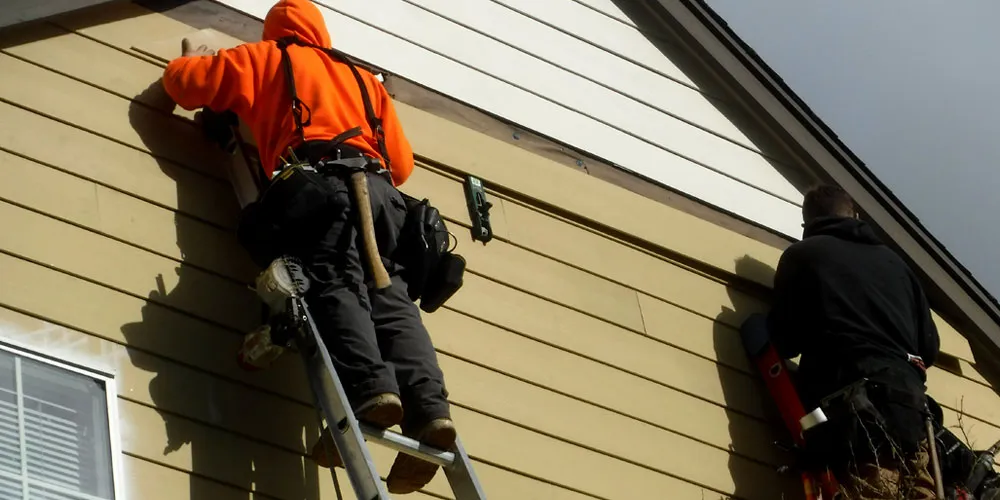
A professional assessment can help determine whether the property needs isolated repairs, complete replacement, or Siding Installation in Pike County as part of a new addition or exterior renovation.
Inspect the Exterior Before Installing New Siding
A siding project should begin with an inspection of the existing exterior. Installing new material over unresolved damage may cover the visible problem without correcting its source.
Look for Loose, Cracked, or Warped Sections
Walk around the property and inspect each exterior wall. Look for panels that appear loose, cracked, bowed, warped, or separated from surrounding materials.
Pay particular attention to:
- Window and door openings.
- Exterior corners.
- Utility penetrations.
- Roof-to-wall connections.
- Areas beneath gutters.
- Sections exposed to heavy wind or water runoff.
A small damaged section may be repairable, but repeated problems across several walls may indicate that a larger replacement project is more practical.
Check for Signs of Moisture
Staining, peeling paint, soft trim, mildew, and recurring interior water marks can indicate that moisture is reaching the exterior wall assembly.
Water may enter through:
- Damaged flashing.
- Poorly sealed windows or doors.
- Overflowing gutters.
- Roof edge problems.
- Open exterior joints.
- Incorrectly sealed vents and utility lines.
The source of moisture should be identified before the new siding is installed.
Review Gutters, Roof Edges, and Drainage
New siding cannot correct an active roof leak or overflowing gutter system. If water repeatedly runs down or behind the exterior walls, these problems should be addressed as part of the project planning process.
Homeowners may need to coordinate siding work with professional roof repair or gutter improvements when drainage issues are affecting the exterior.
Do You Need Siding Repair, Replacement, or Installation?
These services are related, but they are not always interchangeable.
Siding Repair
Repair may be suitable when the damage affects one or two limited sections and the remaining siding is still in good condition.
A contractor should inspect the area behind the damaged panel before completing the repair. This helps confirm that moisture or deterioration has not affected the underlying wall.
Siding Replacement
Complete replacement may be the better option when:
- Damage appears across several walls.
- Panels are repeatedly coming loose.
- The existing siding is badly faded or deteriorated.
- Moisture problems continue to return.
- Matching replacement materials are unavailable.
- The homeowner wants a complete exterior update.
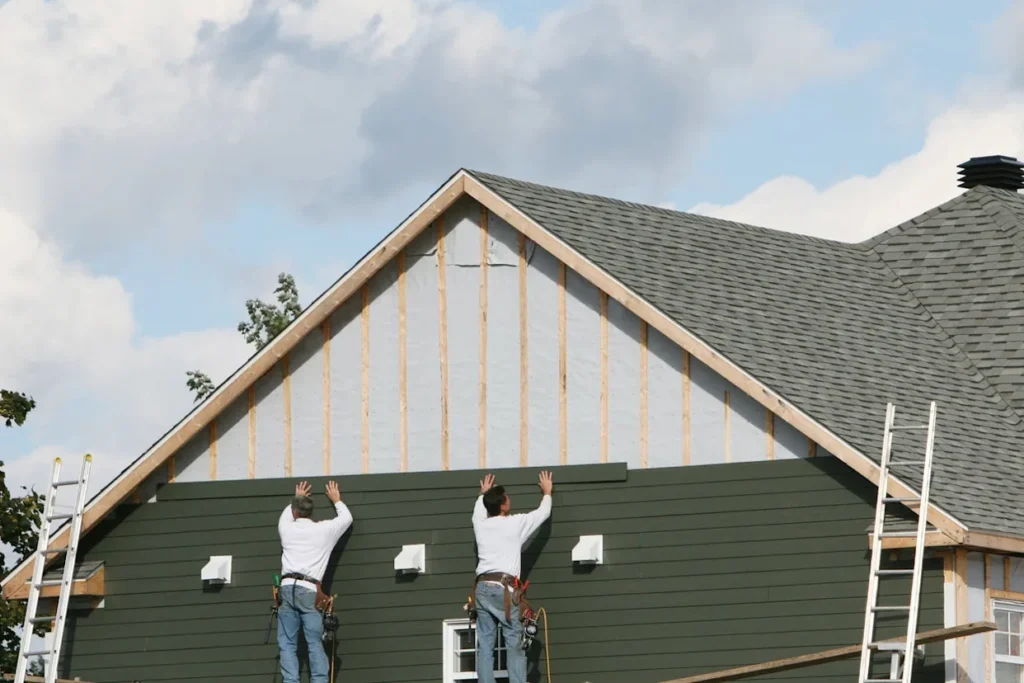
Removing the old siding can also create an opportunity to inspect more of the wall surface and correct visible damage before installing the new system.
Homeowners dealing with an aging exterior can learn more about professional siding replacement and the signs that full replacement may be appropriate.
New Siding Installation
New installation may be needed for:
- Recently constructed homes.
- Home additions.
- Detached garages or exterior structures.
- Properties receiving a complete exterior renovation.
- Previously unfinished exterior walls.
A professional siding installation recommendation should be based on the building’s structure, exposure, design, and long-term maintenance needs.
Choosing a Siding Material for a Pike County Home
There is no single material that works for every property. Homeowners should compare appearance, maintenance, installation requirements, durability, and total project cost.
Vinyl Siding
Vinyl siding is commonly selected because it offers multiple colors, profiles, and design options without requiring routine painting.
It may be a practical choice for homeowners who want:
- Relatively low maintenance.
- Straightforward exterior cleaning.
- Multiple color and profile choices.
- A more budget-conscious exterior upgrade.
- A consistent finished appearance.
Vinyl panels need to be installed with suitable spacing to allow movement as temperatures change. Panels that are fastened too tightly may buckle or become distorted.
The product itself is only one part of the project. Wall preparation, starter strips, flashing, trim, fastening, and finishing details also affect the result.
How to Choose the Best Vinyl Siding Installation
The best vinyl Siding Installation in Pike County is not simply the project that uses the most expensive panel. A successful installation depends on the entire exterior system.
Before hiring a contractor, ask how the project will address:
- Removal of the existing material.
- Inspection of accessible wall sheathing.
- Moisture-resistant barriers.
- Flashing around windows and doors.
- Clearance around rooflines and ground surfaces.
- Expansion and contraction of vinyl panels.
- Exterior corners and trim.
- Utility penetrations.
- Cleanup and disposal.
The contractor should also identify the exact siding manufacturer, product line, profile, and color in the written estimate.
Fiber Cement Siding
Fiber cement siding is designed to provide a more substantial exterior appearance and is available in styles that can resemble traditional lap siding, shingles, or painted wood.
Homeowners may consider fiber cement when they want:
- A heavier and more solid appearance.
- Multiple architectural profiles.
- Resistance to common moisture-related deterioration.
- A painted finish similar to wood.
- Lower maintenance than some natural wood products.
Correct installation remains important. Cutting, fastening, finishing, clearances, and sealing should follow the requirements of the selected product.
Fiber cement may also involve different labor, handling, and structural considerations than vinyl siding, so the full project scope should be compared rather than the material price alone.
Engineered Wood Siding
Engineered wood siding is manufactured to provide a wood-like appearance with more consistent boards or panels.
It may appeal to homeowners who want:
- A natural or traditional appearance.
- Longer panels with fewer visible seams.
- An alternative to natural wood siding.
- Multiple profiles and finishes.
Installation and maintenance requirements vary between manufacturers. Cut edges, clearances, flashing, and finishing details should be handled according to the selected product specifications.
Natural Wood and Specialty Siding
Natural wood may complement cabins, older properties, and homes where preserving a traditional appearance is important.
However, wood generally requires more attention to:
- Moisture exposure.
- Paint or stain condition.
- Insects and decay.
- Open joints.
- Surface maintenance.
Specialty materials may also be available depending on the design of the property and contractor suppliers. Availability, lead time, maintenance, and warranty terms should be confirmed before making a final selection.
Can New Siding Improve Energy Efficiency?
New siding may contribute to a more complete exterior upgrade, but siding alone does not guarantee a specific reduction in energy bills.
The performance of the property also depends on:
- Existing insulation.
- Air leakage.
- Window and door condition.
- Exterior penetrations.
- Wall construction.
- Weather-resistant barriers.
- Installation quality.
Removing old siding may give the contractor an opportunity to inspect accessible areas of the exterior wall. Depending on the condition of the property, additional insulation or air-sealing improvements may be recommended.
Before accepting an energy-efficiency claim, ask whether the estimate includes:
- Insulated siding.
- Separate exterior insulation.
- Wall repairs.
- Weather-resistant barriers.
- Sealing around openings.
- Improvements to damaged or exposed areas.
A contractor should avoid promising an exact amount of energy savings without first evaluating the home.
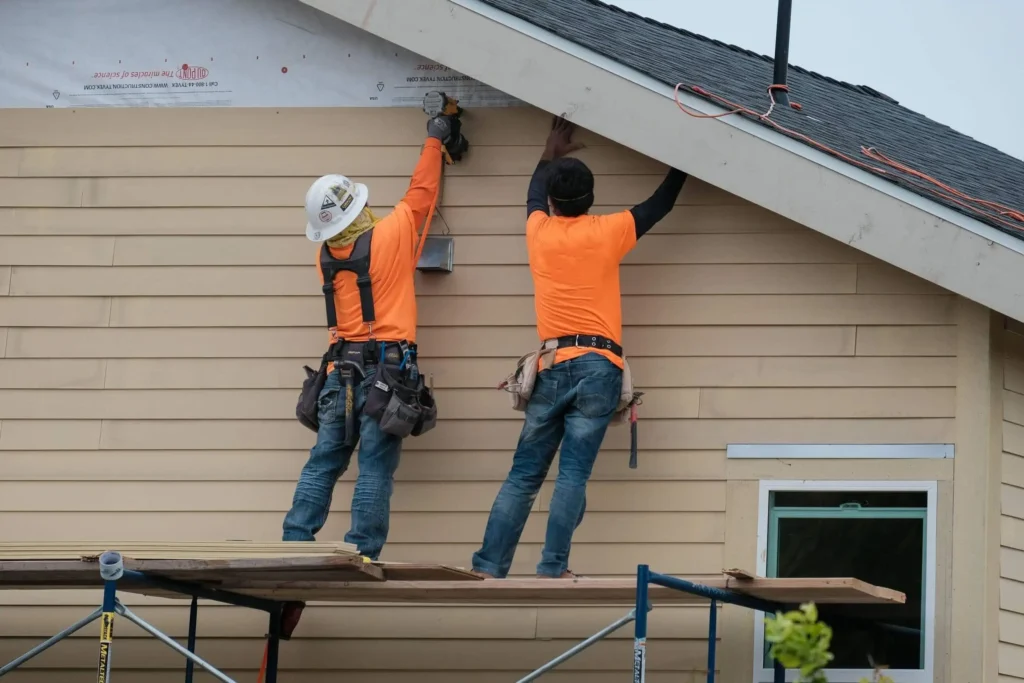
What Should Happen Before Installation Begins?
Preparation affects both the appearance and long-term performance of the siding.
Confirm Whether Existing Siding Will Be Removed
Installing over existing siding is not suitable for every property. The decision depends on:
- The condition of the existing material.
- Whether the surface is flat and stable.
- Signs of trapped moisture.
- The type of siding being installed.
- Manufacturer requirements.
- Local building considerations.
The contractor should explain whether removal is included and why the proposed approach is appropriate.
Inspect the Wall Surface
After old material is removed, accessible sections of the wall should be checked for:
- Soft or deteriorated wood.
- Moisture staining.
- Mold-like growth.
- Open joints.
- Damaged sheathing.
- Previous repair work.
- Insect-related deterioration.
When damage is discovered, it should be documented and discussed before the area is covered.
Address Active Water Entry
New siding should not be used to hide a roof, gutter, flashing, or window leak.
Any active source of water entry should be repaired before the siding system is completed.
Install Moisture-Management Components
The project may require a weather-resistant barrier, flashing, tapes, sealants, or other components based on the wall construction and selected siding system.
The exact preparation should follow the manufacturer’s requirements and the condition of the property.
Plan Trim and Exterior Details
The estimate should explain how the contractor will handle:
- Windows and doors.
- Exterior corners.
- Rooflines.
- Utility boxes.
- Vents and pipes.
- Light fixtures.
- Transitions between siding and stone or brick.
- Soffits and fascia.
These details can have a major effect on the finished appearance.
What Should Be Included in a Siding Estimate?
A detailed estimate helps homeowners compare contractors based on the full project scope.
The proposal should identify:
- The siding manufacturer and product line.
- The selected color and profile.
- Whether old siding removal is included.
- Disposal and cleanup responsibilities.
- Wall preparation requirements.
- Weather-resistant barriers.
- Flashing and sealing work.
- Window, door, and corner trim.
- Pricing for unexpected wall damage.
- Estimated project duration.
- Payment terms.
- Material warranties.
- Workmanship warranty details.
- Work that is specifically excluded.
A lower estimate does not always represent better value. One proposal may exclude removal, trim, wall repairs, disposal, or moisture protection that another contractor has included.
Choosing the Right Siding Color and Profile
The siding should complement the permanent and semi-permanent features of the property, including:
- The roof.
- Stone or brick.
- Windows.
- Exterior doors.
- Garage doors.
- Gutters.
- Trim.
- Landscaping.
A small sample may look different when installed across an entire wall. Homeowners should review samples in direct sunlight and shade whenever possible.
The siding profile also affects the appearance. Narrow lap siding, wide panels, board-and-batten designs, and shingle-style accents can create different visual results.
It can be helpful to consider whether the chosen siding will continue to work with future roof, door, or trim updates.
Common Siding Installation in Pike County Mistakes to Avoid
Understanding common mistakes can help homeowners ask better questions before hiring a contractor.
Installing Over Hidden Damage
Covering soft, wet, or deteriorated wall materials can allow the underlying problem to continue.
Ignoring Flashing Details
Openings around windows, doors, rooflines, and penetrations need proper moisture protection.
Fastening Vinyl Too Tightly
Vinyl needs space to move as temperatures change. Incorrect fastening can contribute to buckling and distortion.
Failing to Plan Exterior Transitions
Poorly finished transitions around brick, stone, rooflines, or utility boxes can affect both appearance and weather protection.
Using Incompatible Materials
Sealants, fasteners, flashing, and trim components should be suitable for the selected siding system.
Comparing Estimates by Price Alone
A low estimate may exclude important preparation, removal, trim, repairs, or cleanup.
Questions to Ask a Siding Contractor
Before selecting a contractor, ask questions that clarify the actual installation process.
Useful questions include:
- Will the existing siding be removed?
- How will the wall be inspected for hidden damage?
- What happens if deteriorated sheathing is found?
- Which moisture barrier is included?
- How will windows and doors be flashed?
- Are exterior trim and corner details included?
- Which siding manufacturer and product line will be used?
- Who handles debris removal and cleanup?
- What is covered by the workmanship warranty?
- How will changes to the project scope be approved?
- What factors could delay the project?
- Is the contractor properly insured for the work?
Written answers can reduce misunderstandings after the project begins.
How Long Does Siding Installation Take?
The project duration depends on several factors:
- Property size.
- Number of stories.
- Exterior design.
- Material selected.
- Amount of existing siding removal.
- Wall repairs discovered during preparation.
- Accessibility.
- Weather conditions.
- Trim complexity.
- Availability of materials.
A simple property may require less time than a larger home with multiple rooflines, additions, dormers, or detailed trim.
The contractor should provide an estimated schedule after inspecting the property, but homeowners should understand that hidden wall damage or unsuitable weather may affect the timeline.
Preparing Your Property for the Installation Crew
Homeowners can make the project easier by preparing the area before work begins.
Consider:
- Moving outdoor furniture away from the walls.
- Trimming vegetation that blocks exterior access.
- Removing fragile decorations from exterior walls.
- Keeping vehicles away from the work area.
- Securing pets indoors.
- Discussing access to gates and electrical outlets.
- Protecting valuable items near interior walls from vibration.
- Confirming where materials and waste containers will be placed.
The contractor should explain any additional preparation required for the property.
Maintaining New Siding After Installation
Maintenance requirements depend on the material and manufacturer.
Homeowners should inspect the exterior periodically and after major storms. Look for:
- Loose panels.
- Impact damage.
- Open joints.
- Damaged trim.
- Staining.
- Water runoff problems.
- Vegetation pressing against the siding.
Gutters should be kept clear so water does not overflow onto the exterior walls. Roof and flashing problems should also be repaired before repeated moisture exposure affects the siding.
When cleaning is needed, follow the manufacturer’s recommendations. Excessive pressure or unsuitable chemicals may damage certain materials and finishes.
Planning Siding Installation in Pike County
A successful siding installation in Pike County begins with an assessment of the existing exterior and a clear written project scope.
The right product should fit the property’s structure, appearance, maintenance requirements, exposure, and budget. Preparation, flashing, moisture management, trim, and installation quality should receive as much attention as the siding material itself.
Wallenpaupack Roofers provides exterior assessments for homeowners in Greentown, Milford, Dingmans Ferry, Bushkill, Shohola, Matamoras, Lords Valley, and surrounding Pike County communities.
After inspecting the property, the team can explain suitable siding options and provide an estimate based on the condition and requirements of the project.
Need help planning your siding project? Schedule an exterior assessment with Wallenpaupack Roofers and receive a clear estimate for your property.
Frequently Asked Questions
What is the best siding material for a Pike County home?
The right material depends on the property’s architecture, wall condition, exposure, maintenance preferences, and budget. Vinyl, fiber cement, engineered wood, and natural wood each have different advantages and installation requirements.
Is vinyl siding suitable for cold weather?
Vinyl siding can be used in areas with cold winters when installed correctly. The panels need suitable spacing for expansion and contraction and should not be fastened so tightly that they cannot move.
Does the existing siding always need to be removed?
Not always. However, removal may be necessary when the existing material is damaged, uneven, trapping moisture, or preventing inspection of the wall. Manufacturer requirements may also affect the decision.
How do I know whether I need siding repair or replacement?
Repair may be appropriate for isolated damage when the surrounding siding remains in good condition. Replacement may be more practical when damage is widespread, the material is deteriorating, or moisture problems affect multiple areas.
Can new siding improve home insulation?
A siding project may support a wider energy-efficiency improvement when it also addresses insulation, air leakage, weather barriers, and wall damage. Siding alone does not guarantee a specific reduction in energy costs.
What happens if damaged wood is found behind the siding?
The contractor should document the damage, explain the recommended repair, and provide any additional cost for approval before covering the area with new siding.
How should I compare siding estimates?
Compare the exact product, removal work, wall preparation, flashing, moisture barriers, trim, cleanup, warranties, schedule, and exclusions. Avoid comparing the final price without reviewing the complete project scope.
How often should new siding be inspected?
Homeowners should visually inspect the exterior periodically and after severe storms. Early attention to loose panels, damaged trim, leaks, or drainage problems can help prevent more extensive damage.