Planning Siding Installation in Wayne County requires more than selecting a color and approving an estimate. The condition of the existing exterior, the way the property is used, moisture exposure, wall preparation, trim details, and the selected material can all influence the final result.
Homes in Hawley, Honesdale, Paupack Township, Lake Township, Waymart, and surrounding Wayne County communities may have very different exterior needs. These locations are among the boroughs and townships officially listed by Wayne County.
A full-time residence, a seasonal property, an older home, and a recently built addition should not automatically receive the same siding recommendation.
This guide explains how to plan a siding project around the property itself, what should be inspected before work begins, and how to compare materials and estimates without repeating the sales-focused information found on the main service page.
Why the Property’s Use Should Shape the Siding Plan
The best approach to Siding Installation in Wayne County depends partly on how often the property is occupied and maintained.
A year-round home is usually observed regularly, so loose panels, staining, or drainage problems may be noticed quickly. A seasonal property can remain unattended for longer periods, allowing minor exterior issues to develop before they are discovered.
Before selecting a product, homeowners should consider how frequently they can inspect the exterior, whether the building is exposed to strong wind or runoff, and how much ongoing maintenance they are prepared to manage.
The goal is not simply to choose a durable product. It is to create an exterior system that fits the property’s location, design, maintenance schedule, and long-term use.
Start With a Complete Exterior Walkaround
A professional assessment should begin with the entire exterior rather than one visibly damaged section.
Siding works together with windows, doors, roof edges, gutters, flashing, vents, and exterior penetrations. A problem in one of these areas can allow water to reach the wall even when the siding itself appears intact.
During the walkaround, check for:
- Loose or bowed panels.
- Open joints.
- Damaged trim.
- Peeling finishes.
- Soft wood.
- Exterior staining.
- Recurring mildew.
- Gaps around windows and doors.
Areas below rooflines and gutters deserve special attention because repeated runoff can affect the wall below.
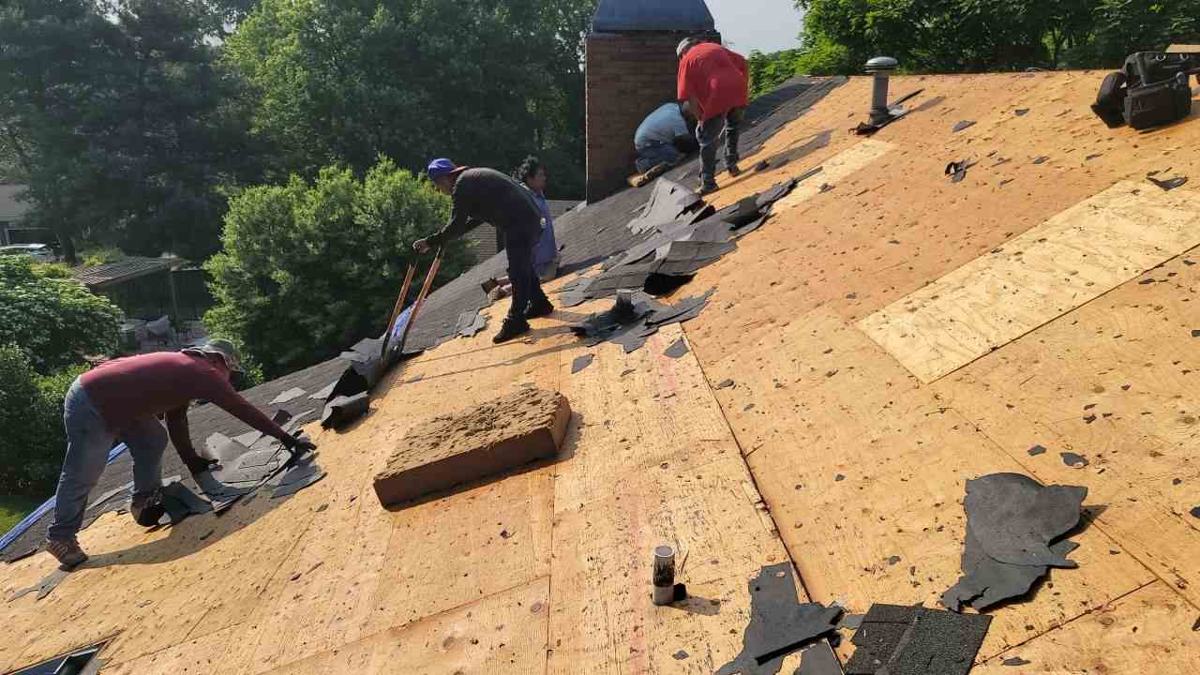
This inspection helps determine whether the project requires limited repair, complete siding replacement in Wayne County, or a new house siding installation.
Identify the Source of Moisture Before Covering the Wall
New siding should not be used to hide an active leak.
Moisture may enter around windows, doors, utility lines, roof-to-wall connections, damaged flashing, or overflowing gutters. Covering the exterior before correcting the source can allow deterioration to continue behind the new material.
If staining, softness, or damaged trim is visible, the contractor should explain what additional inspection is needed. When old siding is removed, accessible sheathing should be checked before the wall is covered again.
In some cases, the siding project may need to be coordinated with professional roof repair services or seamless gutter installation. Correcting the source first gives the new exterior a more reliable foundation.
Repair, Replacement, or New Installation?
The terms repair, replacement, and installation are often used together, but they describe different project scopes.
Siding Repair
Repair may be suitable when damage is limited to a small area, matching panels are available, and the surrounding material remains secure.
The contractor should still inspect the affected section for moisture or hidden deterioration before installing the replacement panel.
Siding Replacement
Siding replacement in Wayne County may be more practical when:
- Multiple exterior walls are damaged.
- Panels repeatedly become loose.
- The existing material is heavily deteriorated.
- Previous repairs have not corrected the problem.
- Matching materials are no longer available.
- The homeowner wants a complete exterior update.
Removing the old material also allows more of the wall to be inspected before the new exterior is installed.
New Siding Installation
New installation may apply to a recently built home, an addition, a detached structure, or a complete exterior renovation.
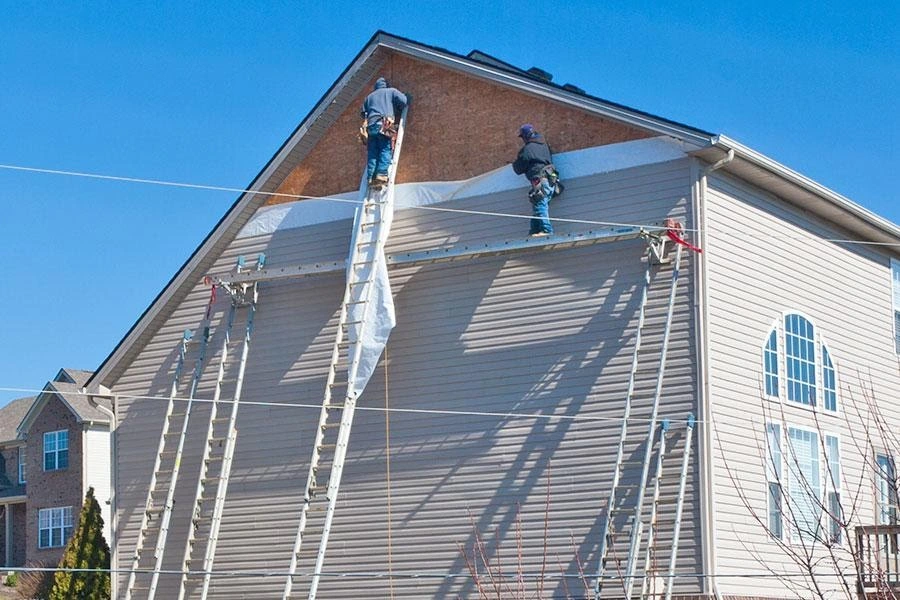
A professional house siding installation should include wall preparation, moisture-management details, trim planning, installation requirements, and a clear finishing process.
Choosing Materials Based on Maintenance Needs
Homeowners comparing residential siding services should look beyond the initial material price.
The expected maintenance, installation requirements, appearance, availability of matching components, and condition of the wall all matter.
Some homeowners prefer a lower-maintenance exterior that can be cleaned periodically. Others want a heavier profile or a finish designed to resemble painted wood.
The property’s design may also require specific:
- Window and door trim.
- Exterior corner components.
- Soffit details.
- Mounting blocks.
- Roofline transitions.
- Stone or brick transitions.
A useful estimate should identify the manufacturer, product line, profile, finish, color, and related components. Broad descriptions such as “premium siding” are not enough to compare two proposals accurately.
Vinyl Siding Installation for Lower-Maintenance Exteriors
Vinyl siding installation is often considered by homeowners who want a broad range of colors and profiles without routine painting.
It can be a practical option when the product is matched to the property and installed according to the manufacturer’s requirements.
Vinyl panels need room to move as temperatures change. Installation guidance from the Vinyl Siding Institute includes clearance requirements that allow for expansion and contraction. Panels that are fastened too tightly or installed without suitable spacing may buckle or become distorted.
Starter strips, corner posts, window trim, and utility penetrations also need careful attention.
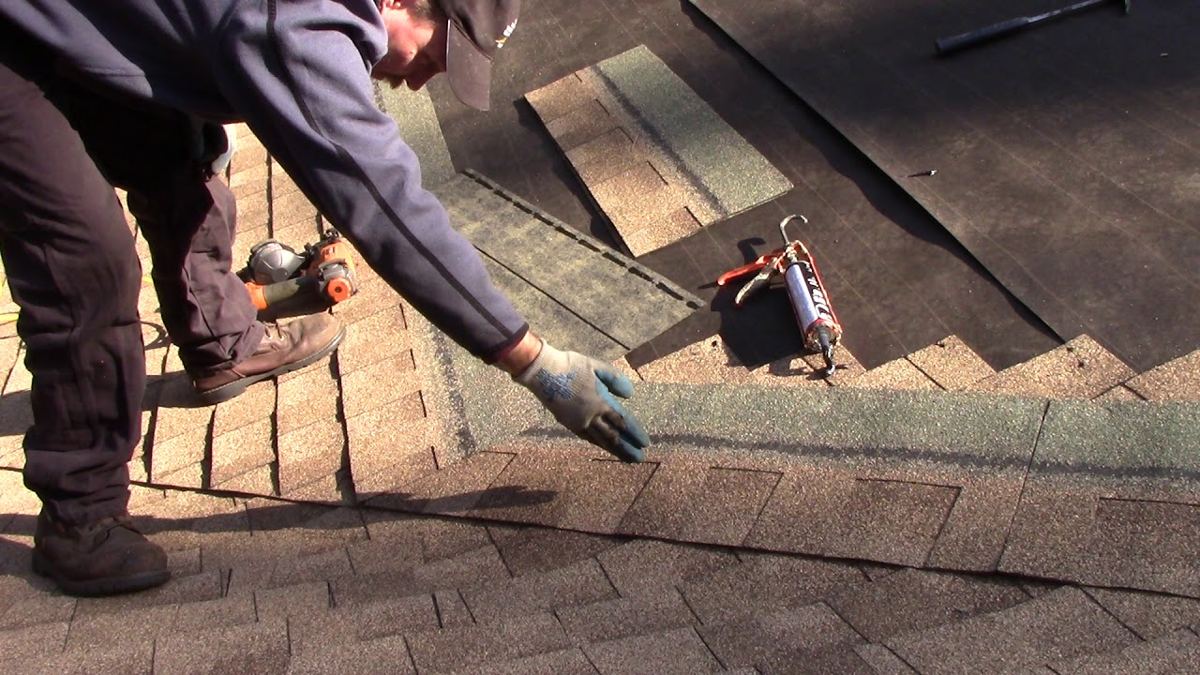
The best vinyl siding installation is not based on the panel alone. Proper preparation, alignment, fastening, flashing, and finishing details determine how the completed exterior looks and performs.
Fiber Cement for a More Substantial Exterior Finish
Fiber cement siding may suit homeowners who prefer a more substantial appearance or a finish designed to resemble painted wood.
It is available in different profiles, including:
- Horizontal lap siding.
- Vertical panels.
- Shingle-style products.
- Wood-textured finishes.
The material has different handling, cutting, fastening, clearance, and finishing requirements from vinyl. These requirements can affect labor, project duration, and total cost.
When comparing fiber cement proposals, ask whether the estimate includes the complete trim system, finishing of cut edges, flashing details, disposal, and any necessary wall repairs.
The contractor should follow the instructions for the selected product rather than using the same installation method for every siding material.
Engineered Wood and Traditional Wood Options
Engineered wood can provide a wood-like appearance with manufactured boards or panels. Natural wood may be appropriate for properties where maintaining a traditional or rustic exterior is important.
Both options require careful moisture management.
Product-specific instructions may address:
- Ground clearance.
- Roofline clearance.
- Finishing of cut edges.
- Flashing requirements.
- Fastener placement.
- Painting or staining.
- Ongoing maintenance.
Natural wood usually requires more attention to coatings and surface condition than lower-maintenance alternatives.
Before selecting either material, homeowners should compare the expected maintenance schedule with how frequently the property is occupied and inspected. This is especially important for homes that may remain unattended for part of the year.
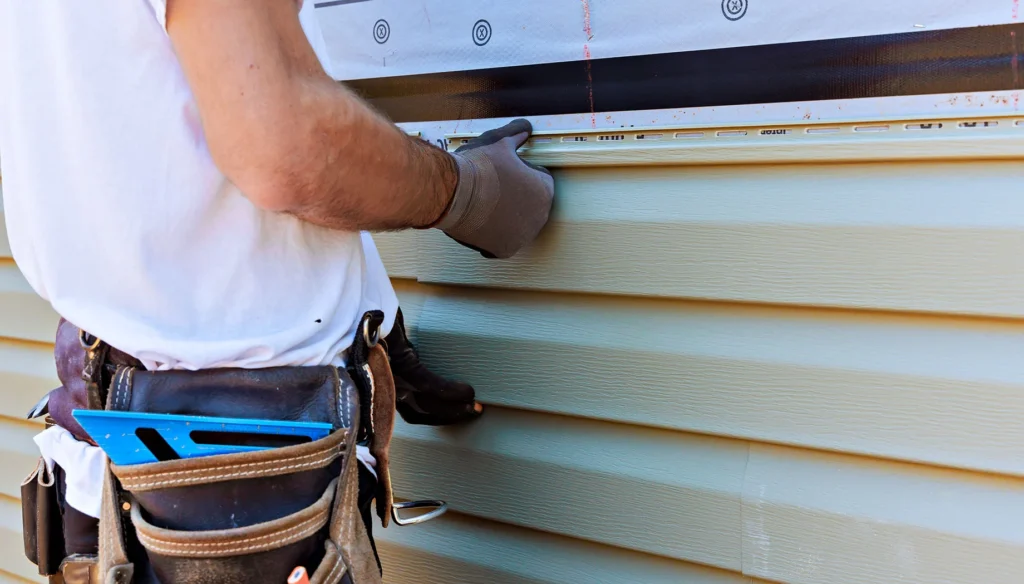
What Should Be Removed Before Installation?
One important question in Siding Installation in Wayne County is whether the existing material will be removed.
Installing over old siding may not be appropriate when the surface is:
- Uneven.
- Loose or unstable.
- Holding moisture.
- Heavily damaged.
- Preventing inspection of the wall.
- Incompatible with the new system.
The contractor should explain the proposed approach and confirm whether removal, disposal, and cleanup are included in the estimate.
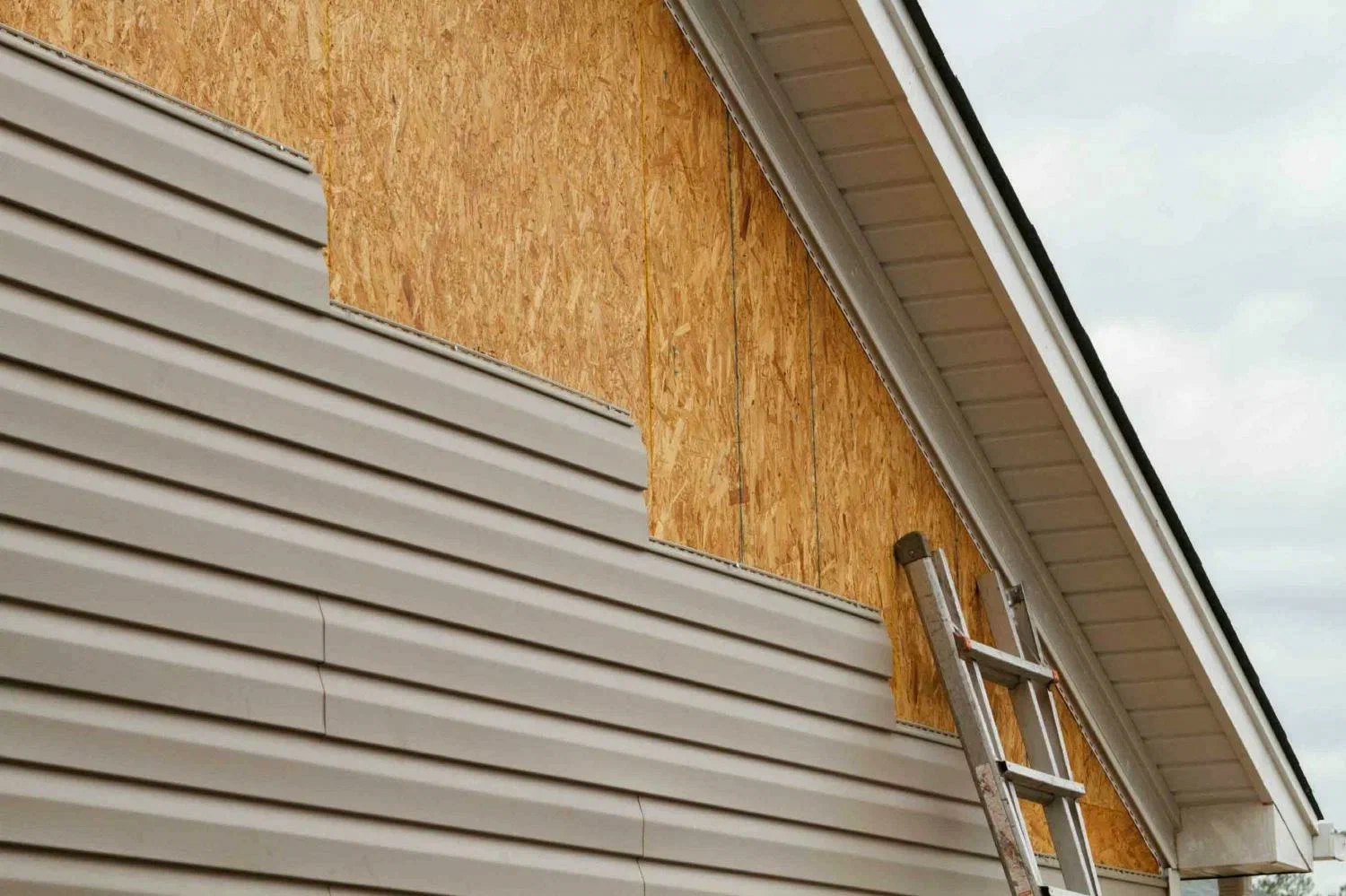
When old material is removed, the exposed wall may reveal damaged sheathing, previous repairs, open gaps, or moisture staining.
Any additional work should be documented and approved before the new siding is installed. The estimate should also explain how unexpected wall repairs will be priced.
Wall Preparation Matters More Than Homeowners Can See
Much of the quality of a siding project is determined before the first visible panel is installed.
The wall needs a stable surface, suitable moisture protection, correct flashing, and properly planned transitions.
Preparation may include:
- Repairing damaged sheathing.
- Installing a weather-resistant barrier.
- Sealing appropriate penetrations.
- Correcting damaged trim.
- Preparing window and door openings.
- Addressing visible moisture problems.
- Planning transitions between exterior materials.
The required steps depend on the existing wall and the selected siding system.
Professional siding contractors in Wayne County should be able to explain the preparation in clear language. Homeowners should not be expected to accept vague statements such as “we will handle everything” without a written scope.
Pay Attention to Windows, Doors, and Exterior Openings
Windows and doors are important transition points in a siding project.
Exterior lights, utility boxes, vents, pipes, electrical outlets, and hose connections also interrupt the wall and require planned finishing details.
Ask how the contractor will handle:
- Flashing.
- Window and door trim.
- Mounting blocks.
- Appropriate sealants.
- Corners and channels.
- Utility penetrations.
- Material transitions.
The same planning is needed where siding meets stone, brick, decks, porches, soffits, or rooflines.
A main wall surface can look professionally installed while still having weak or unfinished details around openings and transitions. These items should be included in the project plan before work begins.
Can Siding Work Improve Energy Performance?
Siding alone should not be presented as a guaranteed solution for high energy bills.
Comfort and energy use also depend on insulation, air leakage, windows, doors, and the construction of the exterior wall.
However, removing old siding may create an opportunity to inspect accessible areas and discuss whether additional insulation or air-sealing work is appropriate. ENERGY STAR specifically recommends considering wall insulation when exterior siding is removed from an uninsulated wood-frame wall.
Some proposals may include insulated siding, while others may include a separate layer of exterior insulation.
When reviewing residential siding services, ask exactly what energy-related components are included. Avoid relying on a promised percentage of savings unless the property has been properly assessed.
How to Compare Siding Estimates
Two estimates can have similar totals while covering very different work.
Homeowners should compare the complete scope rather than the final price alone.
A clear proposal should identify:
- The manufacturer and product line.
- The siding profile, finish, and color.
- Removal and disposal of existing material.
- Wall inspection and preparation.
- Weather-resistant barriers and flashing.
- Trim around windows, doors, and corners.
- Treatment of utilities and exterior penetrations.
- Cleanup responsibilities.
- Estimated project schedule.
- Material warranty terms.
- Workmanship warranty terms.
- Project exclusions.
- Possible additional costs.
This information makes it easier to compare siding contractors in Wayne County fairly and reduces misunderstandings after work begins.
Questions for Full-Time and Seasonal Property Owners
The questions a homeowner asks should reflect how the property is used.
For a full-time residence, ask how the project will affect daily access, parking, outdoor areas, and noise.
For a seasonal home, ask:
- How progress will be documented.
- Who approves additional repairs.
- How change orders will be shared.
- Whether project photos will be provided.
- How the property will be secured each day.
- Who will complete the final walkthrough.
It is also useful to agree on how material updates, unexpected damage, schedule changes, and completion details will be communicated.
A clear process is especially valuable when the homeowner cannot visit the property during every stage of the project.
Common Mistakes That Can Weaken a Siding Project
A strong siding material cannot compensate for poor planning or incorrect installation.
Common mistakes include:
Covering Damaged Wall Materials
Wet, soft, or deteriorated sheathing should not simply be hidden behind new siding.
Ignoring Active Leaks
Problems involving the roof, gutters, windows, or flashing should be addressed before the new exterior is completed.
Fastening Panels Incorrectly
Different siding materials have specific fastening and clearance requirements.
Leaving Trim Details Unclear
Window, door, corner, utility, and roofline details should be included in the written project scope.
Comparing Estimates by Price Alone
A low estimate may exclude removal, wall repairs, flashing, trim, disposal, or cleanup.
Before approving Siding Installation in Wayne County, review the entire scope rather than choosing a contractor based only on the total price.
Choosing a Color and Profile for the Entire Property
Another mistake is choosing siding based only on a small color sample.
Colors and profiles can look different when installed across an entire wall and viewed under direct sunlight, shade, or cloudy conditions.
The selected siding should work with:
- The existing roof.
- Exterior doors.
- Window colors.
- Gutters and downspouts.
- Stone or brick features.
- Garage doors.
- Porches and decks.
- Future exterior updates.
A narrow lap profile, wider siding panel, vertical board-and-batten design, or shingle-style accent can significantly change the appearance of the same home.
Ask to review larger samples or completed project photos whenever possible.
Preparing the Property for the Installation Crew
Before work begins, move outdoor furniture, grills, decorations, and fragile items away from the exterior walls.
Vegetation that blocks access may need to be trimmed. Discuss where materials, equipment, dumpsters, and waste containers will be placed.
Vehicles may need to be moved away from the work zone. Pets should be kept safely indoors, and fragile items hanging on interior walls may need temporary protection from vibration.
The contractor should explain any additional property-specific preparation.
Clear access can help the crew work efficiently and reduce the risk of avoidable damage or delays during the house siding installation.
Inspecting the Work Before Final Approval
A final walkthrough should cover more than the appearance of the main walls.
Review:
- Panel alignment.
- Exterior corners.
- Window and door trim.
- Roofline transitions.
- Utility openings.
- Exterior fixtures.
- Areas around decks and porches.
- Stone and brick transitions.
- Cleanup and debris removal.
Ask the contractor to explain the recommended maintenance and provide the product and warranty documents included with the project.
For seasonal properties, request final photos of every exterior side and important installation details before the project is closed.
Maintaining New Siding Through the Seasons
Maintenance requirements vary by material, but periodic visual checks are useful for every exterior.
Inspect the siding after severe weather and look for:
- Loose sections.
- Impact damage.
- Open joints.
- Exterior staining.
- Damaged trim.
- Changes around windows and doors.
- Water runoff problems.
Northeast Pennsylvania can experience snow, freezing rain, wind, and periods of extreme cold, making post-weather inspections particularly useful.
Keep gutters clear and address roof or drainage problems before water repeatedly reaches the walls.
Vegetation should not press directly against the siding, and cleaning should follow the product manufacturer’s recommendations.
Low-maintenance siding still benefits from regular observation and timely attention to minor problems.
Planning Siding Installation in Wayne County
Successful Siding Installation in Wayne County begins with a property-specific assessment, not a generic material recommendation.
The contractor should consider:
- The condition of the wall.
- How the home is used.
- Moisture and weather exposure.
- Maintenance expectations.
- Windows and exterior openings.
- Roof and gutter condition.
- Material requirements.
- The complete project scope.
Wallenpaupack Roofers provides residential siding services for homeowners in Hawley, Honesdale, Paupack Township, Lake Township, Waymart, and nearby Wayne County communities.
After reviewing the property, the team can explain suitable siding options and prepare a clear estimate for the recommended work.
For service details, available materials, and scheduling, visit the main professional siding installation page or contact Wallenpaupack Roofers to arrange an exterior assessment.
Planning an exterior upgrade for your Wayne County home? Schedule a professional siding assessment and receive a clear estimate based on your property’s condition and project needs.
Schedule Your Siding Assessment
Frequently Asked Questions
What material is suitable for Siding Installation in Wayne County?
The suitable material depends on the property’s wall condition, architectural design, exposure, maintenance preferences, and budget. Vinyl, fiber cement, engineered wood, and natural wood have different installation and maintenance requirements.
Is vinyl siding installation suitable for a seasonal home?
It may be suitable when the product fits the property and is installed correctly. Seasonal homeowners should also arrange periodic exterior checks, especially after severe weather or long periods when the property is unoccupied.
Does old siding always need to be removed?
Not always. The decision depends on the condition and stability of the existing surface, moisture concerns, product instructions, and the proposed wall assembly. The contractor should explain the recommendation before work begins.
What is included in professional house siding installation?
The scope may include old material removal, wall inspection, moisture protection, flashing, panel installation, trim work, cleanup, and a final inspection. The written estimate should identify exactly what is included.
When is siding replacement in Wayne County more practical than repair?
Replacement may be more practical when damage is widespread, multiple walls are affected, materials are deteriorating, or matching repair panels are unavailable. A property inspection is needed before making the final decision.
Can a siding project solve an active leak?
Siding may be part of the solution, but the actual source of water entry must be identified. Roof, flashing, gutter, window, or wall problems may need separate repairs before the new exterior is completed.
How long does Siding Installation in Wayne County take?
The schedule depends on property size, number of stories, selected material, old siding removal, wall repairs, trim complexity, accessibility, weather, and product availability. The contractor should provide an estimated timeline after inspecting the property.
What should I ask siding contractors in Wayne County before hiring?
Ask about insurance, the exact product, removal work, wall preparation, moisture barriers, flashing, trim, cleanup, warranties, change orders, communication, and how unexpected wall damage will be handled.