
A problem with your roof does not always mean that the entire roofing system must be replaced. A few missing shingles, a damaged pipe boot, or an isolated flashing issue may often be corrected with a professional repair. The decision becomes more complicated when leaks return, damage spreads across several slopes, or moisture reaches the underlying roof deck.
Understanding the main roof replacement signs in Tafton PA can help homeowners avoid paying repeatedly for temporary repairs while also preventing an unnecessary replacement. The goal is not to replace a roof simply because it is older. The goal is to determine whether the complete roofing system can still protect the property reliably through rain, snow, ice, wind, and seasonal temperature changes.
This guide explains seven important warning signs, how repair differs from replacement, whether a full tear-off or overlay may be considered, which roofing materials are commonly used, what happens during the project, and which factors influence the final cost.
Why Roof Replacement Signs in Tafton PA Should Be Checked Early
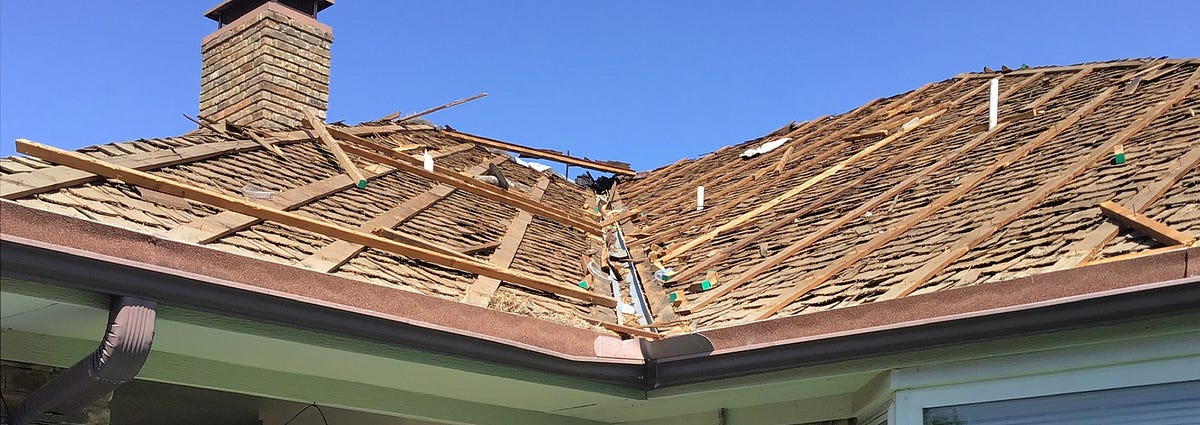
Roof damage can develop beneath the visible surface. Water may enter through a small opening, travel along decking or rafters, and appear inside the home far from the original source.
By the time a ceiling stain becomes visible, underlayment, insulation, or sections of wood may already have been exposed to moisture.
Recognizing roof replacement signs in Tafton PA early gives homeowners time to arrange an inspection before the affected area grows. It also makes it easier to compare the value of another repair with the cost of replacing a roofing system that is beginning to fail in several locations.
An inspection does not automatically lead to replacement. When the damage is limited and the remaining system is in suitable condition, professional roof repair services may still provide the appropriate solution.
1. Recurring Leaks After Previous Repairs
One of the clearest roof replacement signs in Tafton PA is a leak that returns after one or more repairs.
A roof may develop a separate problem in another location, but water returning through the same section often indicates that the original issue was larger than expected. The cause may involve deteriorated underlayment, failed flashing, damaged decking, or several weak points within the same roof area.
Homeowners should review the repair history and ask whether the true source of the water was identified. A patch placed over the visible area may not solve moisture entering through a nearby valley, wall transition, vent, chimney, skylight, or damaged section of decking.
Warning patterns can include:
- A ceiling stain returning after rain.
- Damp insulation in the same attic area.
- Peeling paint or bubbling drywall.
- Musty odors near the affected room.
- New stains appearing close to the original leak.
- Water entering during several different storms.
A professional roof inspection and maintenance assessment can help determine whether the problem remains isolated or whether several roofing components are beginning to fail.
2. Shingle Damage Across Multiple Roof Slopes
A few missing or broken shingles can often be repaired. Widespread curling, cracking, lifting, buckling, or granule loss is different.
These conditions become important roof replacement signs in Tafton PA when they appear across several sections of the roof. Replacing a small number of shingles may improve the appearance temporarily, but it does not correct deterioration affecting the remaining material.
Homeowners may notice:
- Uneven or lifted shingle edges.
- Cracked or broken shingles.
- Missing tabs.
- Exposed areas of underlayment.
- Bald patches where granules have worn away.
- Granules collecting near gutters and downspouts.
- Different roof slopes showing similar wear.
Some granule loss can occur naturally. It should therefore be considered together with cracking, exposed surfaces, leaks, and the overall condition of the roofing system.
Homeowners should not climb onto a wet, icy, steep, or visibly damaged roof. A contractor can inspect the slopes, ridges, valleys, edges, and penetrations safely and determine whether the damage is local or widespread.
3. A Sagging or Uneven Roofline
A visible dip, wave, or sag in the roofline is one of the most serious roof replacement signs in Tafton PA.
Sagging may be connected to weakened decking, prolonged moisture exposure, framing concerns, or excessive loading. The exact cause cannot be confirmed from the ground, and the problem is not normally corrected by installing new shingles over the affected area.
A professional inspection may need to evaluate:
- The exterior roof surface.
- Accessible attic areas.
- Rafters or trusses.
- Roof decking.
- Evidence of moisture or rot.
- How the affected section is supported.
If damaged wood or structural movement is discovered, those problems must be addressed before a new exterior roofing material is installed.
Homeowners should arrange an inspection promptly when one part of the roof appears lower than surrounding sections or when a contractor discovers soft areas in the deck.
4. Water Stains or Attic Moisture in Several Areas
One interior stain may result from an isolated flashing or penetration problem. Stains appearing in several rooms, near different exterior walls, or across separate attic sections may indicate a wider issue.
Interior moisture becomes one of the major roof replacement signs in Tafton PA when it appears in multiple locations or continues to spread after repairs.
Water does not always travel directly downward. It can move along rafters, decking, insulation, pipes, and ceiling materials before becoming visible. The place where the stain appears may therefore be far from the opening in the roof.
A complete inspection should consider:
- Shingles or metal panels.
- Roof valleys.
- Chimney and wall flashing.
- Pipe boots and vents.
- Skylights.
- Underlayment.
- Accessible roof decking.
- Attic insulation and ventilation.
Attic moisture can also be related to poor ventilation, air leakage, indoor exhaust entering the attic, or condensation. The contractor should distinguish between an exterior roof leak and an attic moisture problem before recommending replacement.
5. Roof Repairs Are Becoming More Frequent
Occasional maintenance is normal for many roofs. The concern begins when repairs are required more often and new problems continue appearing in different areas.
Frequent repair work can become one of the clearest roof replacement signs in Tafton PA because it may show that the roof is moving from isolated damage to general deterioration.
Homeowners should review the complete repair history:
- Were several repairs completed within a short period?
- Did the same leak return?
- Are different slopes now showing damage?
- Is it becoming difficult to match new shingles with the existing material?
- Have flashing or underlayment problems appeared in several locations?
- Does the roof deck contain more than one damaged area?
- Is the total cost of repairs increasing without dependable results?
Another repair may still make sense when the damage is limited and the remaining roof is stable.
Replacement becomes more practical when repeated work is no longer restoring reliable protection or when the next repair is likely to be followed by another problem elsewhere.
6. Moisture-Damaged or Deteriorated Roof Decking
The roof deck forms the structural base beneath the underlayment and finished roofing material. Repeated moisture exposure can leave sections soft, stained, swollen, delaminated, or deteriorated.
Damaged decking is among the roof replacement signs in Tafton PA that cannot be corrected by changing surface shingles alone. The affected wood must be exposed, evaluated, and repaired or replaced before a dependable roofing system can be installed.
Some deck damage may be visible from inside the attic. Other affected areas remain hidden until the old roofing materials are removed.
A written estimate should explain how unexpected decking work will be documented and priced if additional damage is found during tear-off.
Installing new materials over unsuitable decking can affect:
- Shingle or panel fastening.
- The alignment of the finished roof.
- The stability of roofing components.
- The ability of the roof to resist future weather.
- The long-term performance of the replacement system.
7. Widespread Damage After a Storm
Strong winds, falling branches, hail, heavy snow, and wind-driven rain may affect shingles, metal panels, flashing, vents, gutters, and roof penetrations.
After severe weather, roof replacement signs in Tafton PA may include:
- Lifted or missing shingles.
- Torn or creased roofing materials.
- Punctures caused by falling debris.
- Damaged flashing.
- Exposed underlayment or decking.
- Problems across several roof slopes.
- Water entering the attic or living areas.
- Damaged vents, skylights, or roof edges.
One affected area may be repairable, while widespread damage may require a larger solution.
Homeowners should inspect the property from a safe location and photograph visible damage. They should not climb onto a wet, icy, steep, or unstable roof.
The Pennsylvania Insurance Department’s Natural Disaster Guide advises property owners to document losses, contact their insurer, take reasonable steps to prevent additional damage, and retain records and receipts related to temporary measures.
A professional storm damage roof assessment can document the visible roofing conditions and help determine whether the affected areas may be repaired.
Roof Repair or Replacement: How Is the Decision Made?
The presence of one warning sign does not automatically mean that complete replacement is necessary.
A contractor should evaluate how many roof replacement signs in Tafton PA are present, how severe they are, and whether they affect one isolated area or the complete roofing system.
Repair May Be Appropriate When
Repair may be suitable when:
- The damage is limited to a small section.
- The surrounding materials remain functional.
- The roof deck is dry and stable.
- There is no pattern of recurring leaks.
- Only a few shingles are missing or damaged.
- One pipe boot or flashing point has failed.
- The remaining roof is expected to continue performing reliably.
Replacement May Be More Practical When
Replacement may offer better long-term value when:
- Leaks return after previous repairs.
- Deterioration appears across multiple slopes.
- Several roofing components are failing.
- The roof deck contains widespread moisture damage.
- Storm damage affects a large portion of the roof.
- Repairs are becoming more frequent.
- The remaining materials are unlikely to provide dependable protection.
The contractor should explain what can be repaired, what would remain at risk, and how long the proposed solution can reasonably be expected to perform.
Why Roof Age Should Not Decide the Answer by Itself
Roof age matters, but it should not be the only reason for recommending replacement.
Two roofs installed during the same year may age differently because of:
- Installation quality.
- Roofing material and product level.
- Roof pitch and design.
- Sun and weather exposure.
- Tree coverage.
- Attic conditions.
- Maintenance history.
- Flashing quality.
- Previous storm damage.
- Ventilation and insulation.
An older roof that remains dry, stable, and properly maintained may not require immediate replacement.
A newer roof with poor installation, damaged flashing, trapped moisture, or severe storm exposure may develop significant problems much earlier.
The better question is whether the complete roofing system is still performing reliably. Age should be considered together with the repair history, deck condition, flashing, ventilation, moisture, and visible warning signs.
How Tafton Weather Can Affect a Roofing System
Properties in Tafton and near Lake Wallenpaupack experience snow, freezing temperatures, rain, wind, moisture, and seasonal temperature changes.
These conditions can expose weaknesses around:
- Roof edges.
- Valleys.
- Flashing.
- Vents and penetrations.
- Aging shingles.
- Underlayment.
- Attic ventilation.
Winter roof problems are not caused by snow alone. Heat entering the roof assembly can contribute to snow melting and refreezing near the eaves.
The U.S. Department of Energy’s cold-climate guidance explains that air sealing, adequate insulation, and suitable attic or roof-assembly ventilation can reduce conditions associated with ice-dam formation.
This is why a roof evaluation may need to consider more than the visible surface. Underlayment, ventilation, insulation, attic moisture, eaves, valleys, and wall transitions may all influence the final recommendation.
Homeowners concerned about attic airflow can also review available roof ventilation solutions.
Full Tear-Off or Roof Overlay?
The two original Tafton articles discussed both full tear-off and overlay installation. These methods are not interchangeable, and the condition of the existing roof must be evaluated before either option is selected.
Full Tear-Off
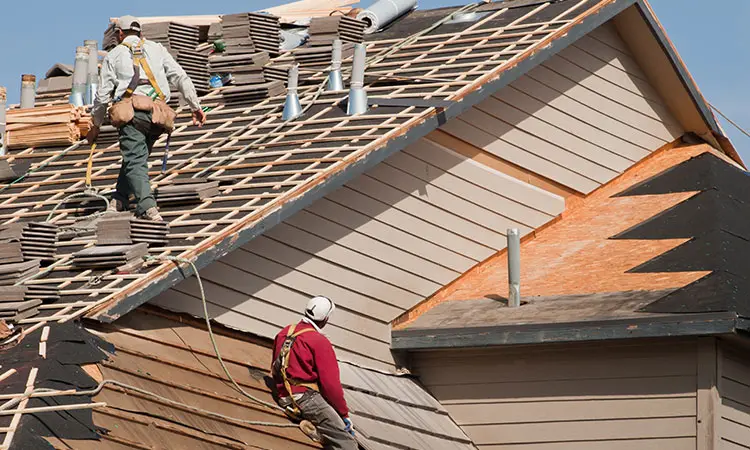
A full tear-off removes the existing exterior roofing materials and underlayment according to the project scope.
This exposes the roof deck and hidden details, allowing the contractor to identify:
- Damaged or weakened decking.
- Moisture beneath the existing materials.
- Failed flashing.
- Deteriorated underlayment.
- Old installation problems.
- Areas that require preparation before the new roof is installed.
A tear-off may be more appropriate when leaks have returned, deck damage is suspected, several roofing layers are present, or widespread deterioration has been found.
Roof Overlay
An overlay places new shingles over an existing roofing layer when the roof condition, structure, local requirements, project design, and manufacturer instructions permit it.
It may reduce removal work, but it also limits access to the underlying deck and can leave hidden damage undiscovered.
Additional roofing layers may affect:
- Roof weight.
- Finished appearance.
- Flashing details.
- Heat retention.
- Future repairs.
- The cost of eventual removal.
An overlay should not be selected only because it appears faster or less expensive. The homeowner should receive a clear explanation of why it is suitable for the property and what limitations it creates.
Which Roofing Materials May Be Considered?
Material selection depends on the roof design, property style, budget, installation requirements, and the homeowner’s long-term plans.
Architectural Asphalt Shingles
Architectural asphalt shingles are commonly used on residential properties and are available in different colors, profiles, and product levels.
They may suit homeowners who prefer a familiar appearance and a lower initial investment than many metal roofing systems.
Their performance depends on more than the visible shingles. Correct deck preparation, underlayment, flashing, fastening, ventilation, starter components, valleys, and ridge details are all important parts of the installation.
Metal Roofing
Metal roofing may be considered by homeowners seeking a different appearance, long-term material performance, or efficient snow shedding.
A metal roofing system requires careful planning around:
- Panel layout.
- Seams or fasteners.
- Roof penetrations.
- Flashing.
- Wall transitions.
- Ventilation.
- Snow movement.
The roof design should be inspected to confirm whether the proposed metal system is suitable.
Slate and Other Specialty Materials
Slate and other specialty materials may be appropriate for certain properties, but they involve different structural, installation, repair, and budget considerations.
The contractor should confirm that the structure and roof design are suitable for the selected system and that the installation team has relevant experience with the material.
No roofing material is automatically best for every home. Homeowners should compare the complete installed system rather than selecting a product based only on appearance or its price per square foot.
What Happens During a Complete Roof Replacement?
When an inspection confirms several roof replacement signs in Tafton PA, the homeowner should understand the stages included in the proposed work.
1. Initial Inspection and Written Scope
The contractor evaluates the exterior materials, flashing, valleys, roof penetrations, roof edges, drainage, ventilation, and accessible interior signs of moisture.
The written scope should identify:
- What will be removed.
- Which materials will be installed.
- How deck repairs will be handled.
- Which flashing components are included.
- Whether ventilation work is required.
- How the property will be protected.
- Which cleanup procedures are included.
2. Property Preparation
Vehicles, outdoor furniture, decorations, and other movable items may need to be relocated.
The crew should plan material delivery, access, debris handling, and protection for landscaping, siding, windows, driveways, and nearby structures.
Roofing work can cause noise and vibration, so fragile interior items may also need to be secured.
3. Removal of Existing Roofing Materials
The old roofing materials are removed according to the written agreement.
A complete tear-off exposes the deck, underlayment, and hidden transitions so they can be evaluated properly.
4. Roof Deck Inspection and Repair
The exposed deck is checked for moisture damage, soft areas, deterioration, or unsuitable sections.
Necessary deck work should be completed before the new underlayment and exterior roofing materials are installed.
5. Underlayment and Vulnerable-Area Protection
Suitable underlayment is installed over the prepared deck.
Additional membrane protection may be used around vulnerable areas such as:
- Eaves.
- Valleys.
- Chimneys.
- Skylights.
- Pipe penetrations.
- Wall transitions.
- Other leak-prone details.
The selected materials should be compatible with the complete roofing system.
6. Flashing, Ventilation, and Roofing Material
Flashing around chimneys, walls, pipes, vents, skylights, and valleys should be addressed as part of the replacement.
Ventilation should also be reviewed when attic heat or moisture may have contributed to the roof’s deterioration.
The selected shingles, metal panels, or specialty material are then installed according to the project requirements and applicable manufacturer instructions.
7. Cleanup and Final Review
Old materials, packaging, loose nails, and project debris should be removed.
The final review should confirm the completed scope and provide the homeowner with relevant product, maintenance, and warranty information.
What Affects Roof Replacement Cost in Tafton?
The number and severity of the roof replacement signs in Tafton PA identified during inspection can influence the project scope, but they are not the only cost factors.
Roof Size and Pitch
A larger roof requires more material, labor, removal capacity, and disposal.
Steeper slopes may require additional safety planning, equipment, and installation time.
Roof Shape and Complexity
Valleys, dormers, chimneys, skylights, walls, different roof levels, and multiple penetrations increase the amount of detailed work.
Existing Roofing Layers
Removing several layers can require more labor and disposal than removing one existing layer.
Roof Deck Condition
Deteriorated wood found after tear-off may add to the project scope.
The estimate should explain how additional deck repairs will be approved, documented, and priced.
Material Selection
Architectural shingles, premium shingles, metal roofing, and specialty materials have different product and installation requirements.
Flashing and Ventilation
Correcting unsuitable flashing or ventilation may increase the initial scope while addressing conditions that could otherwise affect the replacement roof.
Property Access
Driveway access, landscaping, fences, nearby buildings, and available space for delivery or debris removal can influence project planning.
An estimate should explain the work being proposed rather than presenting only one final number.
What Should Be Included in a Written Estimate?
A useful roof replacement estimate should explain:
- Removal and disposal of existing roofing materials.
- The selected roofing product and system.
- Underlayment and vulnerable-area protection.
- Flashing work.
- Ventilation work.
- Roof deck repair terms.
- Property protection.
- Cleanup procedures.
- Expected project schedule.
- Payment terms.
- Material warranty information.
- Workmanship warranty information.
- Items excluded from the quoted scope.
Two estimates with different totals may not include the same work.
Homeowners should compare the preparation, materials, flashing, ventilation, deck terms, cleanup, and warranty coverage rather than choosing only by the lowest price.
How to Evaluate a Roofing Contractor
Choosing the contractor is an important part of the roof replacement process.
Ask each contractor to provide a written scope and explain:
- What evidence supports repair or replacement.
- Whether the existing roof will be removed.
- How hidden deck damage will be handled.
- Which materials and components are included.
- How flashing and ventilation will be addressed.
- How the property will be protected.
- What cleanup process will be used.
- Which warranties apply.
- Who will answer questions during the project.
- Who should be contacted after the work is complete.
Homeowners should also verify any licensing, registration, insurance, permit, or local compliance requirements that apply to the contractor and project rather than relying only on general advertising claims.
What Should You Know About Roof Warranties?
Roof replacement warranties generally involve two separate areas.
Material Warranty
The manufacturer’s warranty relates to the roofing product and is subject to its written terms, exclusions, registration requirements, and installation conditions.
Homeowners should confirm whether product registration is required and retain the final material information.
Workmanship Warranty
A workmanship warranty relates to the contractor’s installation and depends on the written agreement.
Before work begins, homeowners should ask:
- What work is covered?
- How long does coverage last?
- Which situations are excluded?
- Does maintenance affect coverage?
- Is the warranty transferable?
- How should a future request be submitted?
Keep the contract, estimate, invoices, product details, warranty documents, and project photographs together after completion.
How Long Does Roof Replacement Take?
There is no single duration that applies to every roof.
The schedule depends on:
- Roof size.
- Pitch.
- Complexity.
- Selected material.
- Number of existing layers.
- Roof deck condition.
- Property access.
- Crew requirements.
- Weather conditions.
A straightforward asphalt-shingle project may follow a different schedule from a steep roof, complex design, metal installation, or project requiring extensive deck repairs.
The contractor should provide a realistic expected schedule and explain how unsafe weather or hidden damage may affect it.
A promise based only on speed does not describe the quality or complete scope of the work.
What Should Homeowners Do After Storm Damage?
Check the property from a safe location and document visible damage before cleanup or permanent repairs when possible.
Contact the insurance provider promptly and ask which steps and documents the policy requires.
Insurance coverage depends on:
- The individual policy.
- Cause of damage.
- Exclusions.
- Deductible.
- Existing roof condition.
- The insurer’s assessment.
A roofing contractor may document observed conditions and prepare an estimate, but the insurance company decides whether the claim is covered.
When water is actively entering the property or roofing materials are exposed, contact an emergency roofing service to discuss temporary protection and the next safe step.
Frequently Asked Questions About Roof Replacement Signs in Tafton PA
What Roof Replacement Signs in Tafton PA Should Homeowners Watch For?
The main warning signs include recurring leaks, widespread shingle deterioration, a sagging roofline, moisture in multiple interior areas, frequent repairs, damaged decking, and extensive storm damage.
Does One Leak Mean the Entire Roof Must Be Replaced?
No. One leak may result from an isolated flashing, shingle, vent, skylight, or penetration problem.
Replacement becomes more likely when leaks keep returning or several parts of the roofing system are failing.
Can Only Part of a Roof Be Replaced?
A partial replacement may be possible depending on the roof design, location of the damage, condition of the remaining materials, and ability to create reliable transitions.
Is a Full Tear-Off Always Better Than an Overlay?
Not automatically, but a tear-off allows the roof deck and hidden components to be inspected.
An overlay should only be considered when the existing roof, structure, local requirements, and manufacturer instructions make it suitable.
Which Roofing Material Is Best for a Tafton Home?
There is no single best material for every property.
Asphalt shingles, metal roofing, and certain specialty systems may all be suitable depending on the roof design, budget, appearance, installation requirements, and long-term plans.
Should Ventilation Be Reviewed During Replacement?
Yes. Attic heat, air leakage, insulation, and moisture can affect the roof assembly.
Replacement provides an opportunity to evaluate whether the existing intake and exhaust ventilation arrangement is appropriate.
Does Homeowners Insurance Automatically Cover Roof Replacement?
No. Coverage depends on the policy and the cause and extent of the damage.
The homeowner should contact the insurance provider and follow the required claim process.
How Can I Get an Accurate Roof Replacement Estimate?
An accurate estimate requires an inspection of the actual property.
The contractor should evaluate roof size, pitch, complexity, materials, existing layers, flashing, ventilation, deck concerns, and access.
Understanding roof replacement signs in Tafton PA helps homeowners decide when a repair may still be suitable and when complete replacement deserves serious consideration.
One missing shingle or one leak does not automatically require a new roof. The decision should be based on the extent of deterioration, condition of the deck, repair history, flashing, ventilation, storm damage, and the expected performance of the remaining system.
When an inspection confirms that replacement is the appropriate next step, review Wallenpaupack Roofers’ professional roof replacement services to learn more about the available service.
To arrange an inspection or discuss the condition of a roof in Tafton, contact Wallenpaupack Roofers or call (570) 390-3166.


